
Hello, I'm Dr. Kim Min Young, Medical Director of INOBEL CLINIC.
“Would Ultherapy or Thermage suit me?”
“I hear Sofwave is common these days too. How is it different?”
Many people considering lifting treatments near Gangnam-gu Office Station find themselves comparing these 3 options.
They may look similar at first, but their energy delivery, target layers, and expected effects are different.
Choosing without understanding those differences may leave you disappointed later.
If sorting through the information one treatment at a time feels overwhelming, this article can help.
I will explain the differences between Ultherapy, Thermage, and Sofwave in one place.
Take about 3 minutes to read through it for a clearer understanding.
High-intensity focused ultrasound vs. radiofrequency vs. parallel-beam ultrasound
To understand these treatments, start with the type of energy each uses to stimulate the skin.
The energy delivery method affects which layers of skin the treatment reaches.
First, Ultherapy.
Ultherapy uses high-intensity focused ultrasound, or HIFU.
It concentrates ultrasound energy at a point to deliver it to deeper layers of the skin.
The energy reaches the area around the fascial layer known as the SMAS, creating small thermal coagulation points.
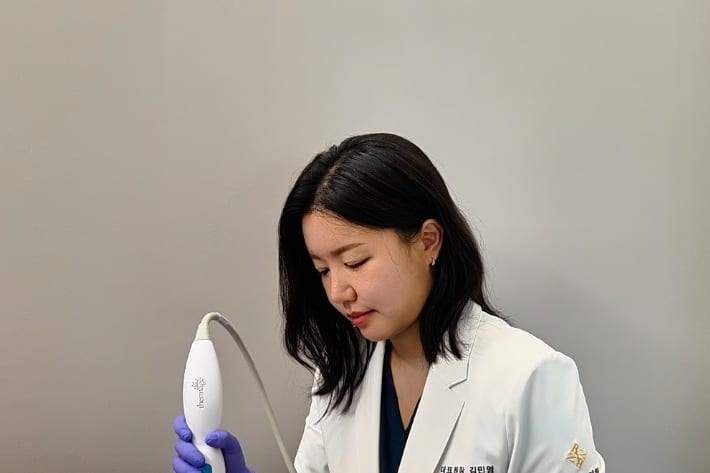
Next, Thermage.
Unlike Ultherapy, Thermage uses radiofrequency, or RF, energy.
Radiofrequency heat is delivered throughout the dermis, providing thermal stimulation to the layer where collagen is found.
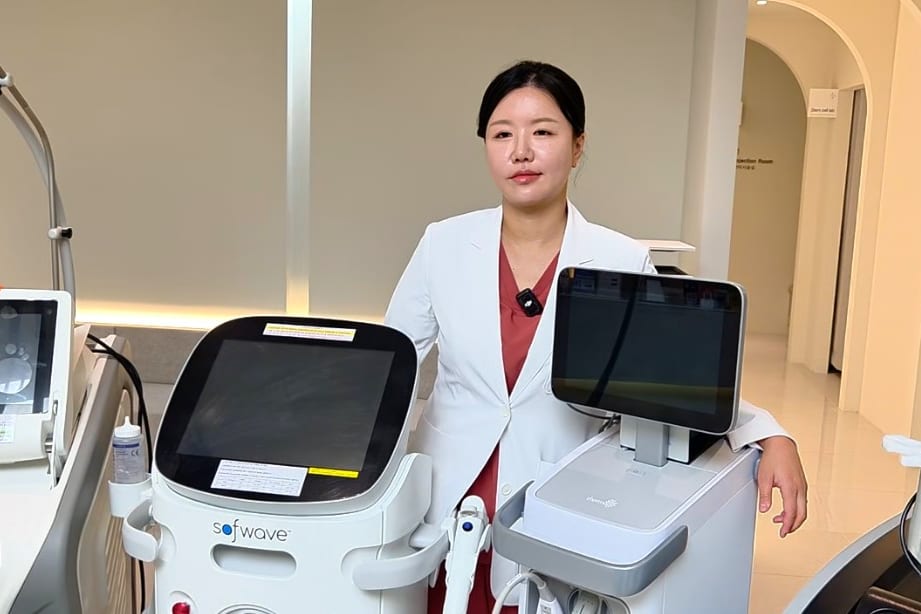
Finally, Sofwave.
Sofwave also uses ultrasound, but delivers energy in parallel beams rather than concentrating it intensely at a single point as Ultherapy does.
Its design delivers energy relatively evenly to the dermis at a middle depth within the skin.
Which lifting treatment might suit me?
People exploring lifting treatments often ask:
“Which option should I consider these days?”

It is an understandable question when the expected effect is your main concern.
But it is difficult to answer confidently with the name of just one procedure.
Each person's skin condition, pattern of sagging, and areas of concern are different.
A treatment that suits one person well may feel disappointing to another.
During lifting consultations, I do not simply say, “Choose this one.” Instead,
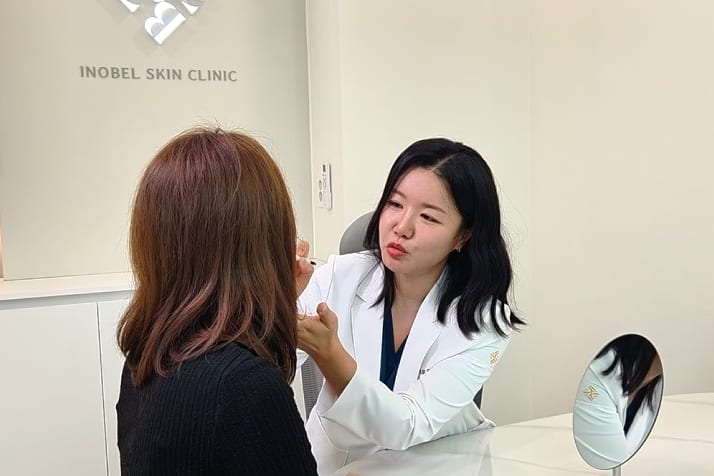
I first examine your skin and the areas that concern you, then explain which approach may be a closer fit.
For example, if sagging is pronounced enough to affect the facial outline, Ultherapy may be an option to consider because it delivers energy to deeper layers.
It stimulates the layers that support the skin, which can make it suitable in this situation.
If the skin feels loose closer to the surface, I may consider Thermage, which targets the dermis.
I may also use Sofwave for wrinkles around the mouth or eyes, areas that can be difficult to address with Ultherapy.
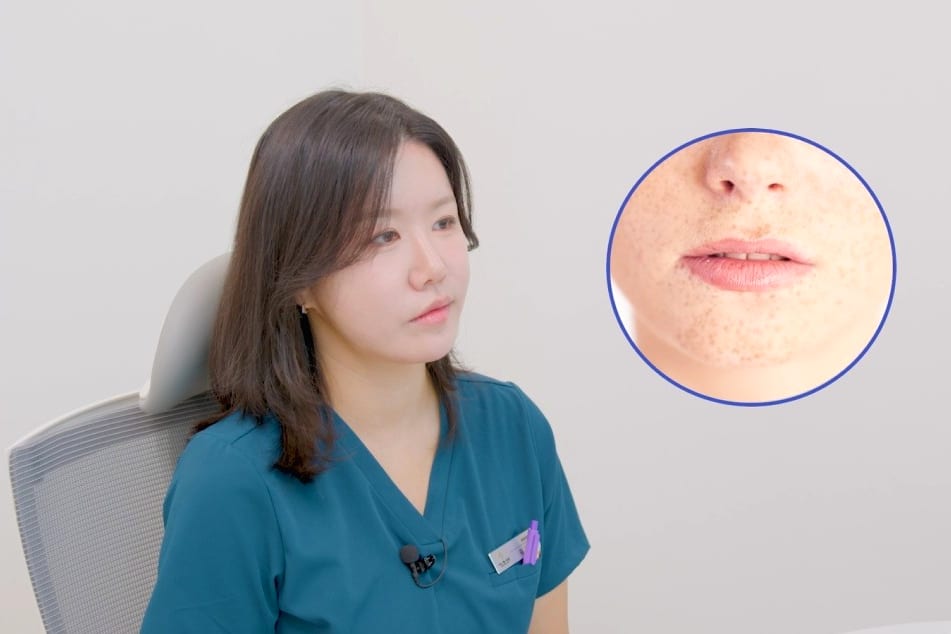
As these examples show, Ultherapy, Thermage, and Sofwave differ in their mechanisms, expected effects, and suitable treatment situations.
Choosing without understanding these differences can lead to a result that falls short of what you had imagined.
A key point from published research
There is something I often explain during lifting consultations:
Aging does not result from a single cause.
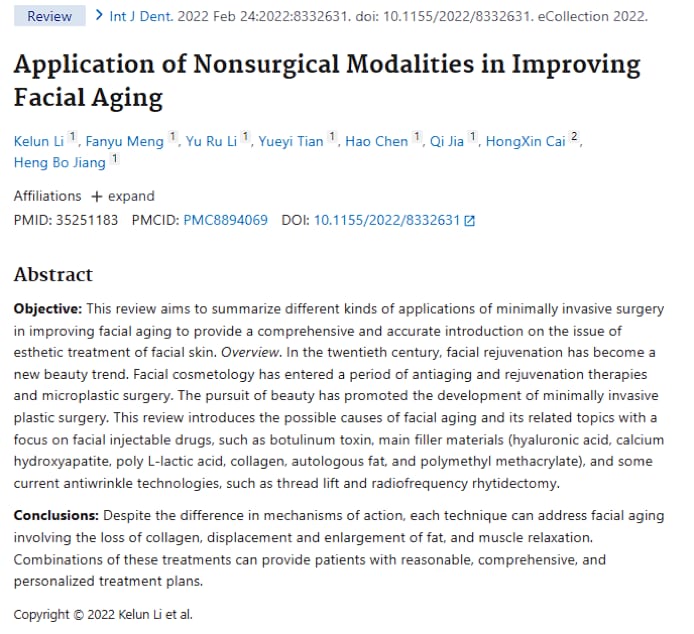
A published paper describes a similar point.
It explains that facial aging is not simply a loss of elasticity. Collagen loss, shifts in fat, and changes in volume all contribute to the process.
The paper therefore emphasizes the importance of combining methods in an individualized treatment plan, rather than relying on one approach alone.
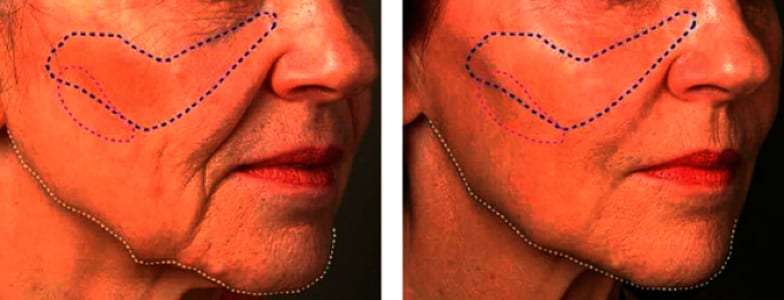
For example, the paper presents a 67-year-old patient with relatively pronounced sagging in the midface and lower face.
In this case, hyaluronic acid filler was used to supplement cheek volume, while lifting treatment was combined with it to address the overall loss of firmness.
The reported result showed restoration of structure and volume in the cheeks (marked in blue), along with a more defined jawline (marked in white).
This case illustrates why addressing facial aging starts with assessing how the face has changed and planning accordingly, rather than relying on a single method.
When appropriate, I also consider Botox, dermal filler, collagen injections, and skin boosters together to develop a more detailed plan.
This article has outlined the differences between Ultherapy, Thermage, and Sofwave, three options commonly compared by people considering lifting treatment.
All 3 aim to improve firmness, but they differ in how they work. Understanding those differences is an important starting point.
The next step is to consider which approach is more suitable for you.
I assess factors including the degree of sagging, skin thickness, and changes in volume, then suggest an approach that may offer more help for your particular concerns.
Thank you for reading.
< Related reading >
<INOBEL CLINIC notice> | ||
To give each patient careful attention, we see patients by appointment only. This means an appointment may not be available right away, and we appreciate your understanding. We would like to help as many people as we can, but for the quality of consultation and treatment we made this decision with care. Thank you for understanding. |
Mon–Fri 10:00 - 20:00 Lunch break 14:00 - 15:00 Saturday 10:00 - 16:00 Sunday 10:00 - 16:00 | ||
02-6958-5882 |