
During consultations at our skin clinic in Gangnam, I hear this question more often than you might expect.
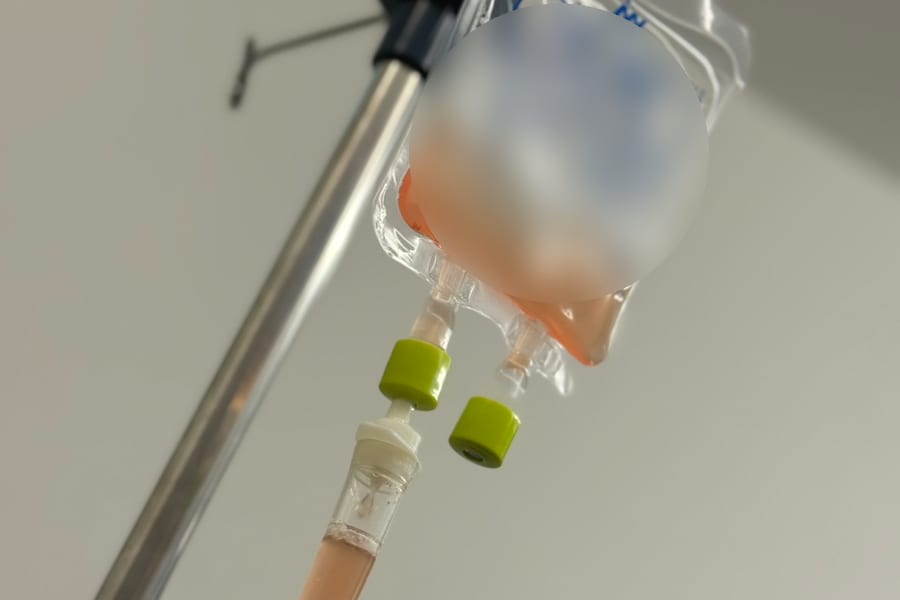
Stem cell injections? Aren't they similar to a nutrient IV drip?
As regenerative medicine has become an important area of medical research, the term “stem cells” has become familiar to the public.
Yet many people are still unsure what the treatment actually involves.
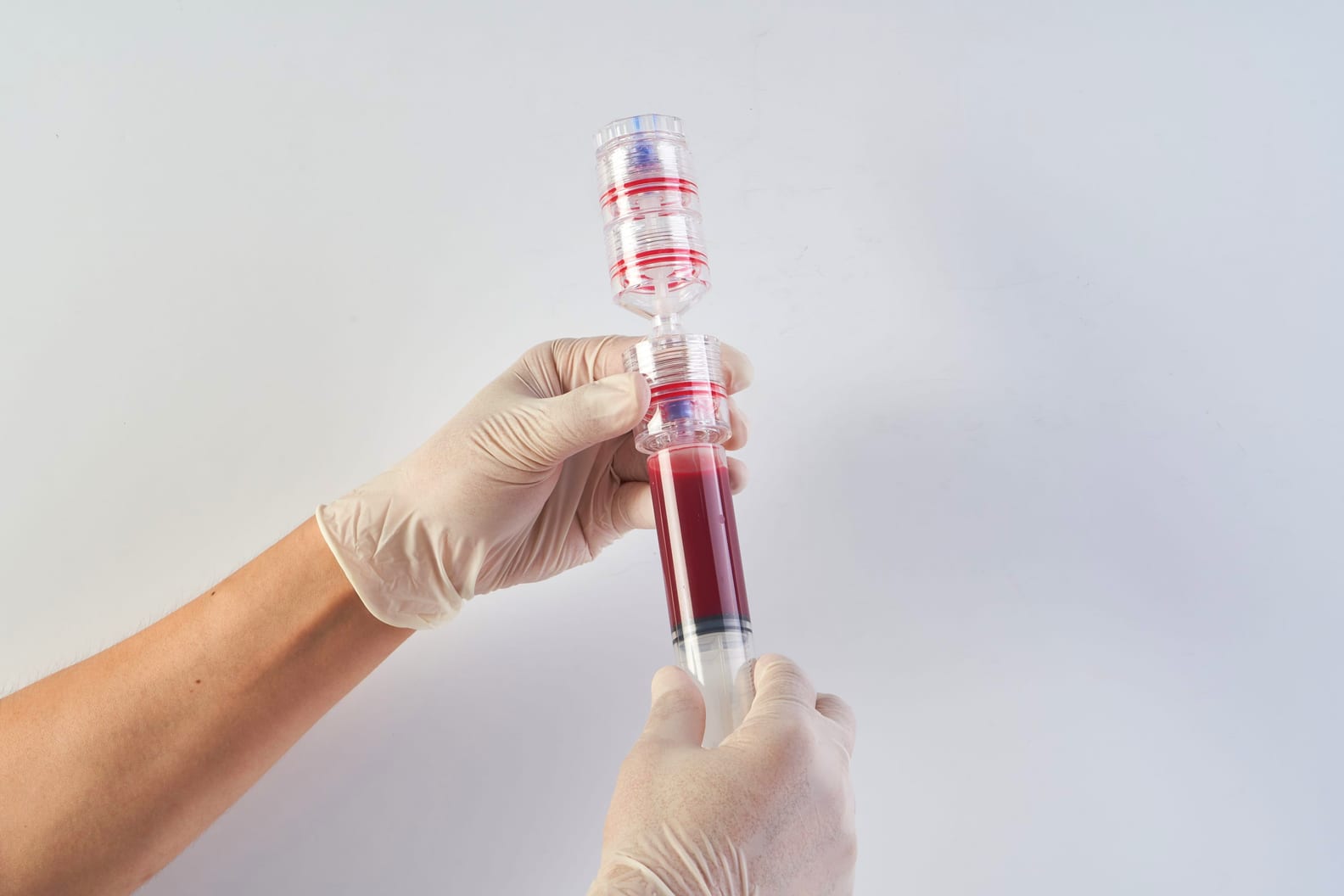
Some therefore think of it as something like a nutrient IV drip. Today, I would like to clarify the difference.
- What does the treatment involve?
- Why is it different from a conventional nutrient IV drip?
- This article aims to make those points clearer.
A different approach from a nutrient IV drip
Stem cell treatment starts from a different premise than a simple IV drip or nutrient injection.
The materials used, the way they are prepared and the treatment's aims are different.
This treatment is based on stem cells obtained from your own body.
These cells exchange signals with surrounding cells and may help regulate excessive inflammatory responses and support an environment for recovery after damage.
It does not change facial contours by adding volume like a dermal filler, nor is it intended to produce immediate visible changes.
Some people visiting the clinic have this misunderstanding, so I would like to make the distinction clear.
You can think of it as an approach intended to support the body's existing capacity for recovery and regeneration, rather than adding a foreign material.
<What to read before considering stem cell treatment>
What one research paper discusses
Can skin become firmer over time?
To explore this question, we can look at research rather than relying on a person's subjective impression.
Let me briefly introduce a paper examining the effects that stem cell-derived materials may have.
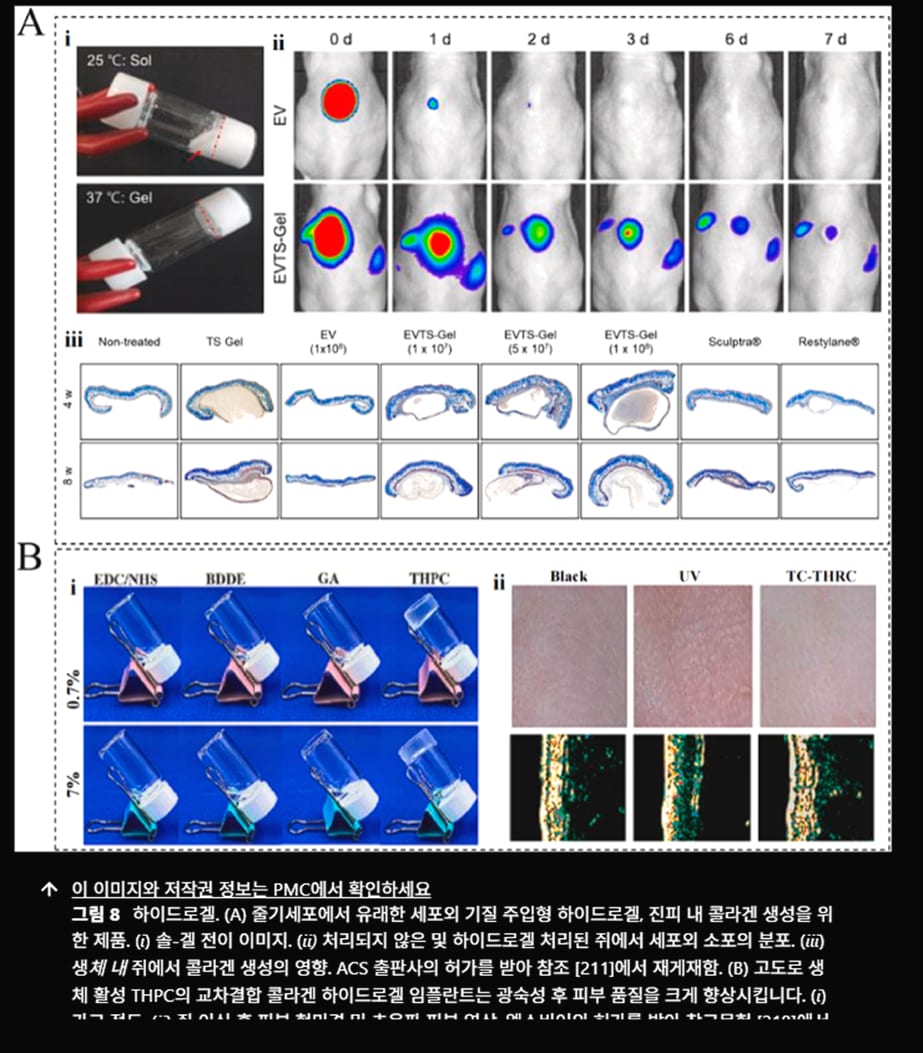
The paper discusses changes associated with various biomaterials used for anti-aging purposes.
It describes observing skin tissue changes in mice after the injection of stem cell-derived components.
The findings showed changes in markers related to collagen production and improvements in overall skin quality in the mice.
In this animal study, the findings suggest a possible positive effect on skin affected by aging.
<Want to learn more about stem cell injections?>
How we approach treatment at INOBEL CLINIC
I usually explain this treatment in terms of two administration routes.
- Direct injection into the dermis.
- Administration through a vein, like an IV drip.
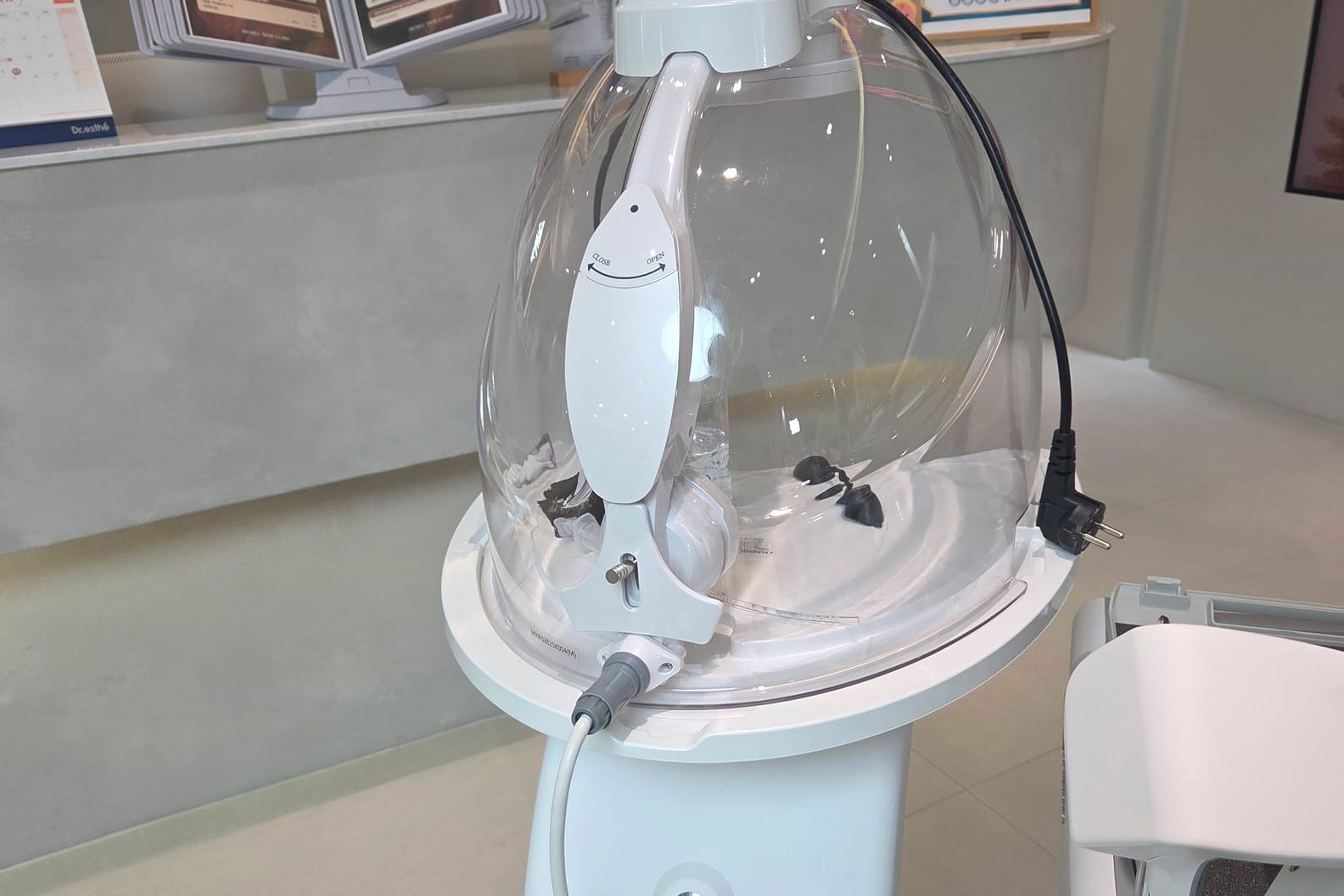
I distinguish between them because the intended effects differ.
Direct injection into the dermis is intended to address localized concerns on the face.
For example, injections may be directed at areas where fine lines are noticeable, texture has become rough or elasticity has decreased, with the aim of helping improve those specific areas.
Intravenous administration takes a somewhat different approach.
The proposed aim is to support overall physical balance as the stem cells circulate throughout the body.
It may be considered for people with reduced immune function or accumulated fatigue, with the aim of supporting overall vitality.
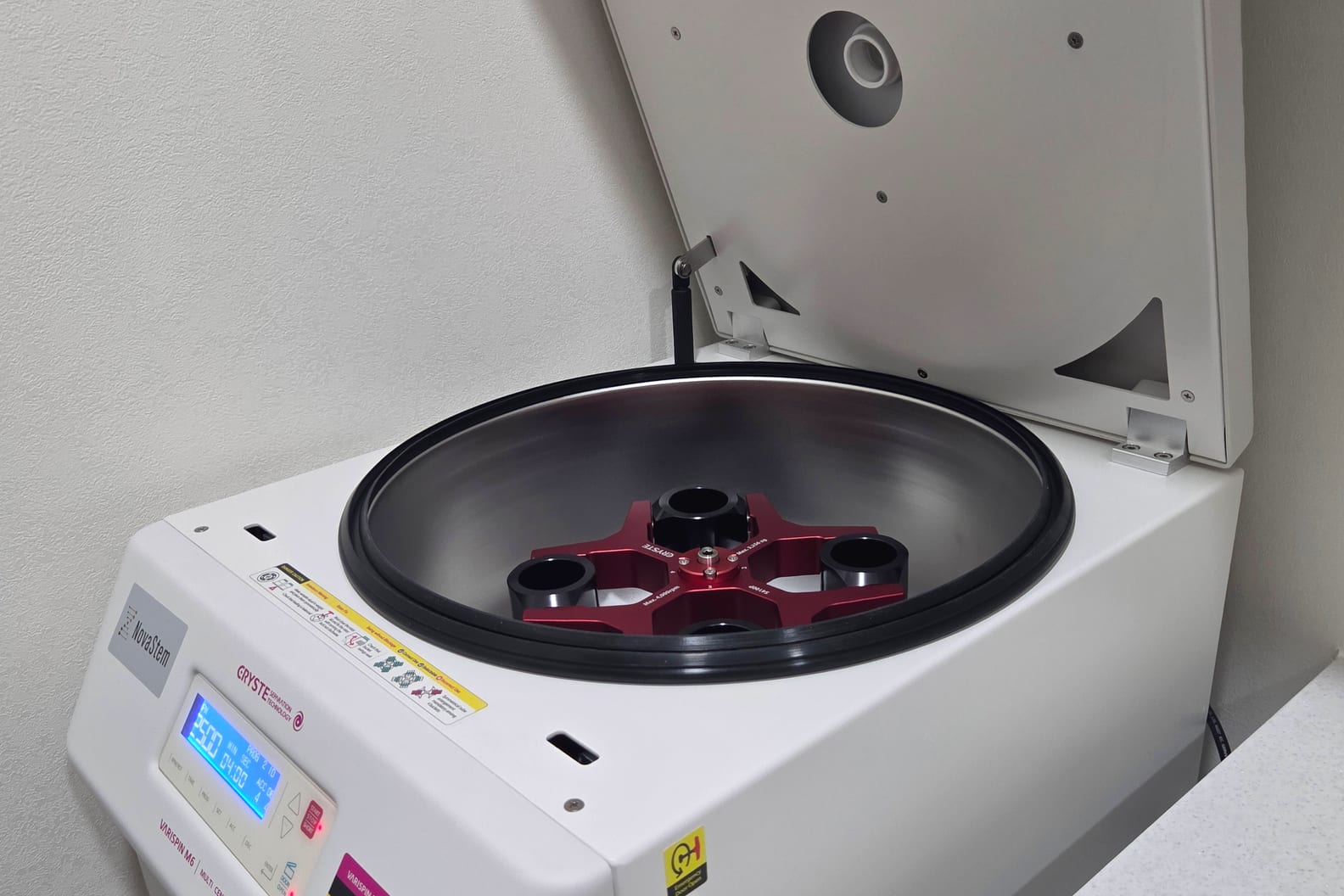
One further distinction: at our clinic, we do not use cell culturing.
You may have heard the term “culturing.” It refers to increasing the number of cells under laboratory conditions.
I use only material that has been separated and concentrated, without a cell culture process.
This can reduce variables related to contamination or handling that may arise during cell culture.
Because we use your own material without culturing it, the procedure is relatively straightforward, and most people can return home on the same day.
Stem cell injections are therefore different from nutrient IV drips that temporarily replenish substances the body needs.
- With aging, inflammatory responses can persist for longer.
- Recovery after damage slows.
- Collagen production and tissue regeneration can also become less efficient.
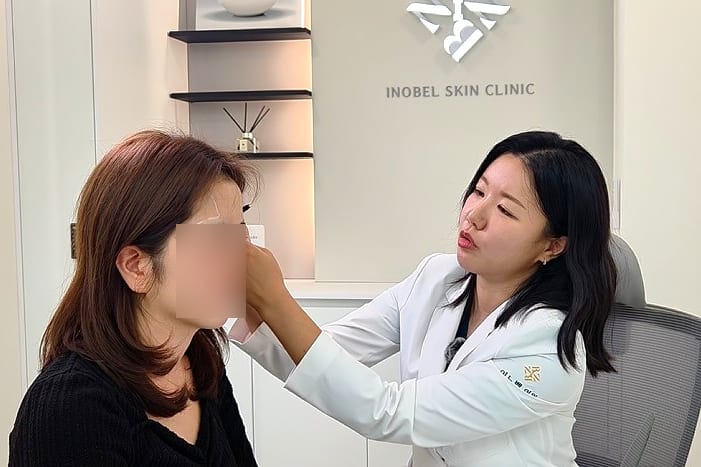
Stem cell injections aim to help restore the tissue environment affected by aging.
Keep this distinction in mind, and consider treatment when you feel it is appropriate for your needs.
Thank you.
< Related reading >
<INOBEL CLINIC notice> | ||
To give each patient careful attention, we see patients by appointment only. This means an appointment may not be available right away, and we appreciate your understanding. We would like to help as many people as we can, but for the quality of consultation and treatment we made this decision with care. Thank you for understanding. |
Mon–Fri 10:00 - 20:00 Lunch break 14:00 - 15:00 Saturday 10:00 - 16:00 Sunday 10:00 - 16:00 | ||
02-6958-5882 |