
Hello, I'm Dr. Kim Min Young, Medical Director of INOBEL CLINIC.
Doctor, which treatment would you recommend for me?
Many people looking for lifting treatments around Apgujeong ask me this.
Each time, I wish I could offer a straightforward answer: “This is the one for you.”
In reality, it is difficult to be so definite.
Today, I would like to explain why.
I will also explain how to set useful criteria for choosing a treatment that suits you, rather than simply naming a procedure.
Radiofrequency vs. ultrasound: what is different?
Radiofrequency and ultrasound are probably the two approaches that first come to mind when discussing lifting treatments.
They may seem similar, but their energy characteristics and treatment depths differ, which can produce different effects.
One study provides a useful overview of this distinction.
It analyzed the efficacy of radiofrequency and ultrasound for anti-aging, along with satisfaction.
After each treatment was used on its own, participants were assessed immediately afterward (T0), at 1 month (T1), and at 3 months (T3) for changes in sagging, wrinkles, and texture.
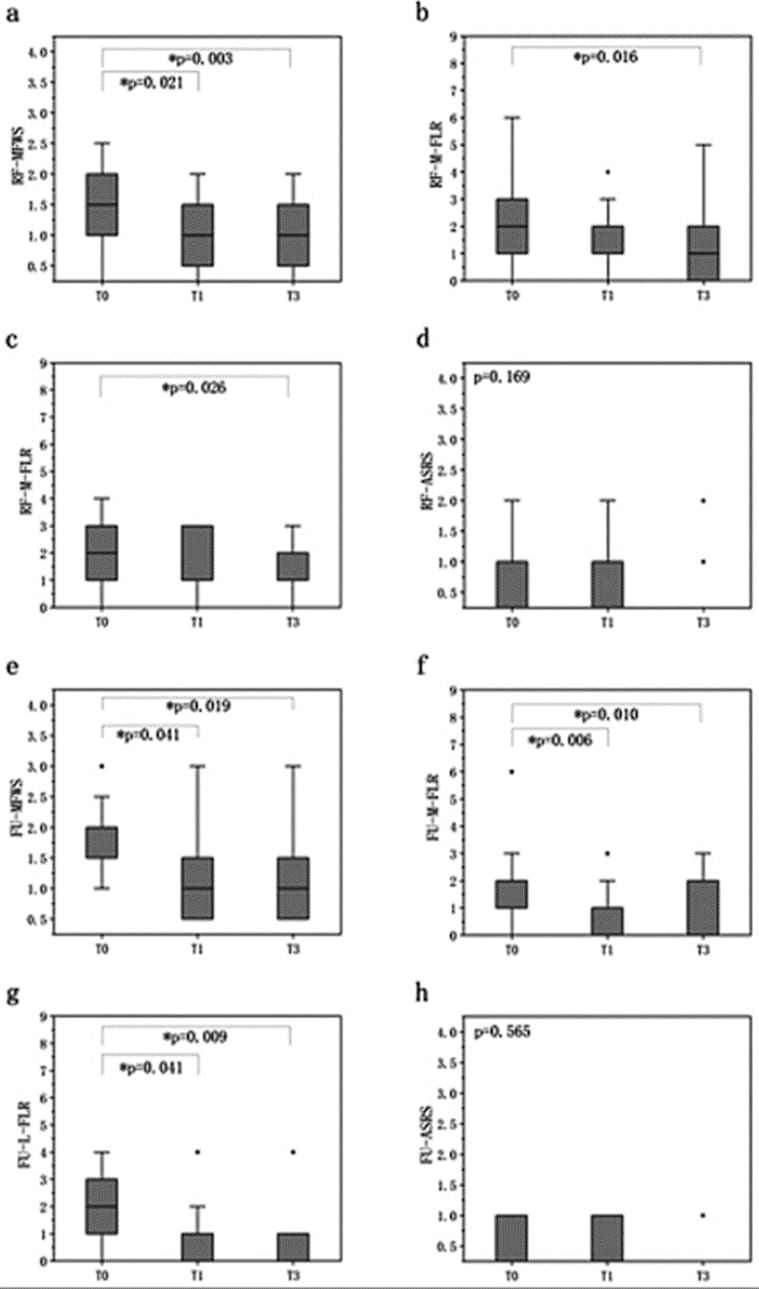
Both radiofrequency (RF) and focused ultrasound (FU) showed statistically significant reductions in sagging (L-FLR) and wrinkle (MFWS) scores.
In other words, both showed anti-aging effects in this study.
However, the ultrasound group showed somewhat greater efficacy in the midface and lower face (M-FLR).
The study's conclusion can be summarized as follows.
Radiofrequency and ultrasound both showed anti-aging effects, but the pattern of improvement and their strengths differed.
Even when treatments appear similar, their effects may differ, so the choice should reflect the individual situation.
<Would you like to learn about radiofrequency lifting with Thermage?>
Choosing according to the individual case
Before asking for a lifting recommendation, the first step is to assess your skin's current condition.
For example, if the skin is thin and fine lines are the first concern, radiofrequency may be a suitable option.
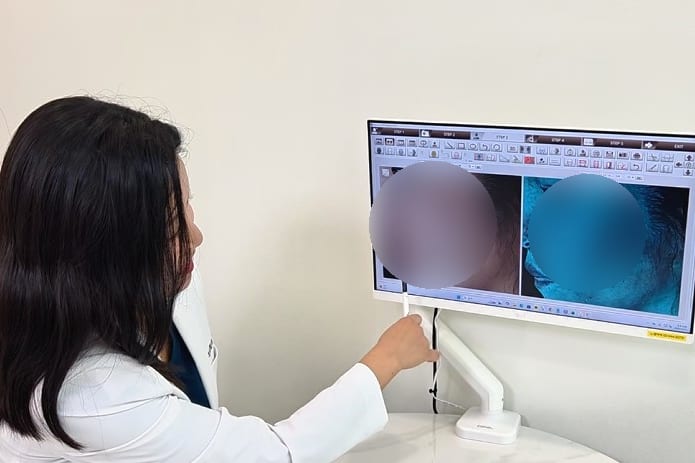
It can help improve firmness by delivering heat evenly across the skin.
When facial contours have become less defined, I may consider ultrasound first.
It can directly stimulate the deeper layers where sagging begins.
Another important consideration is the amount and distribution of fat.
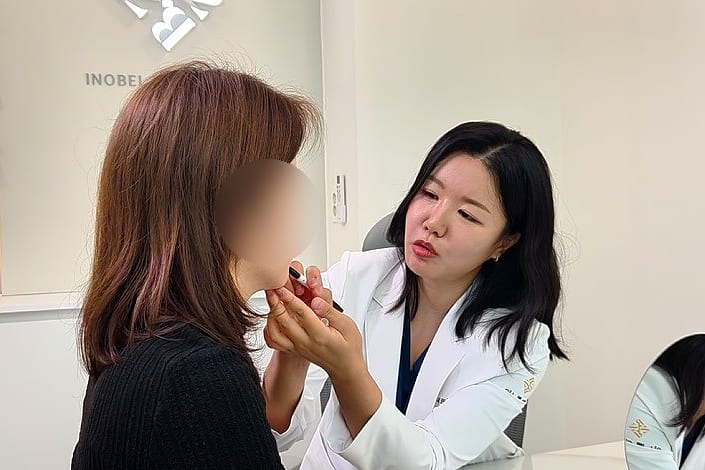
Even with the same procedure, the approach may vary depending on whether there is excess fat or primarily sagging.
That is why I do not immediately name a procedure when someone asks me to recommend a lifting treatment.
Instead, I tend to explain, “This approach is more suitable for your skin as it is now.”
<Would you like to learn about ultrasound lifting with Sofwave?>
Finding a suitable combination also matters
When aiming to improve results further, one of my key considerations is the combination of treatments.
Rather than trying to address everything with a single procedure, I first consider which combination may suit the individual's condition.
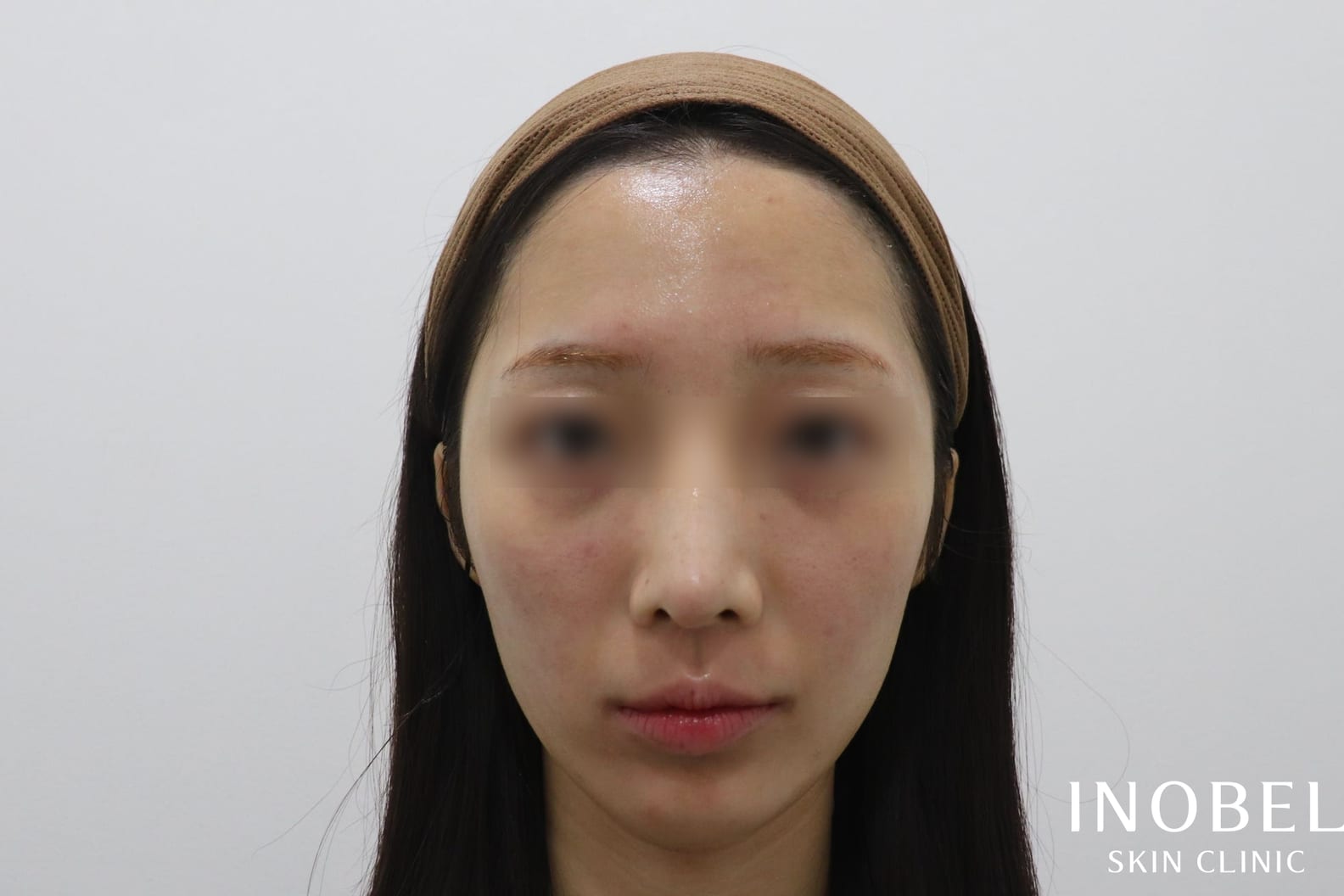
When the jawline has lost definition
I may begin with Onda to support firmness. If there is a prominent double chin, I may also use Nobel Cut contouring injections to focus on fat beneath the chin.
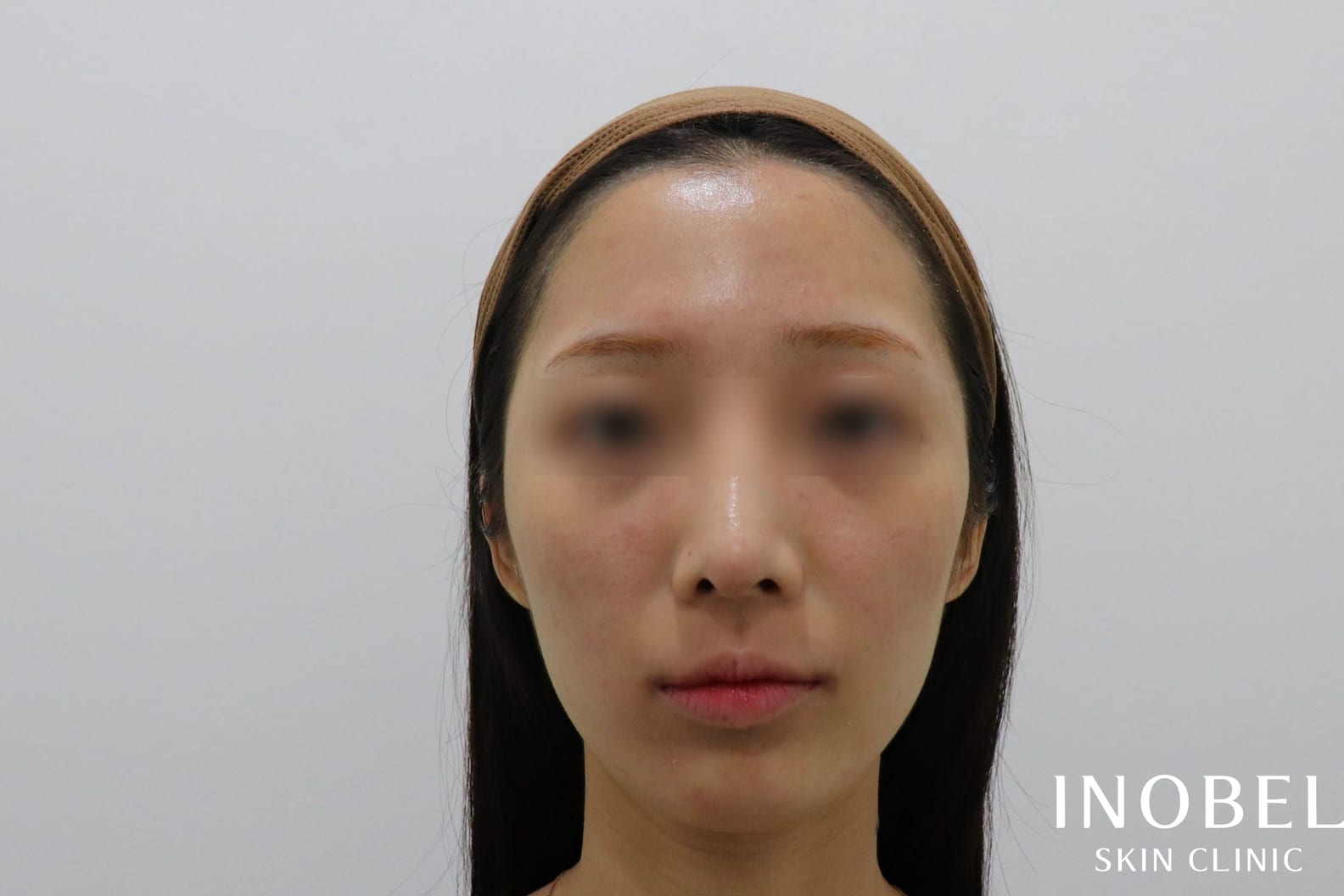
When overall firmness needs attention
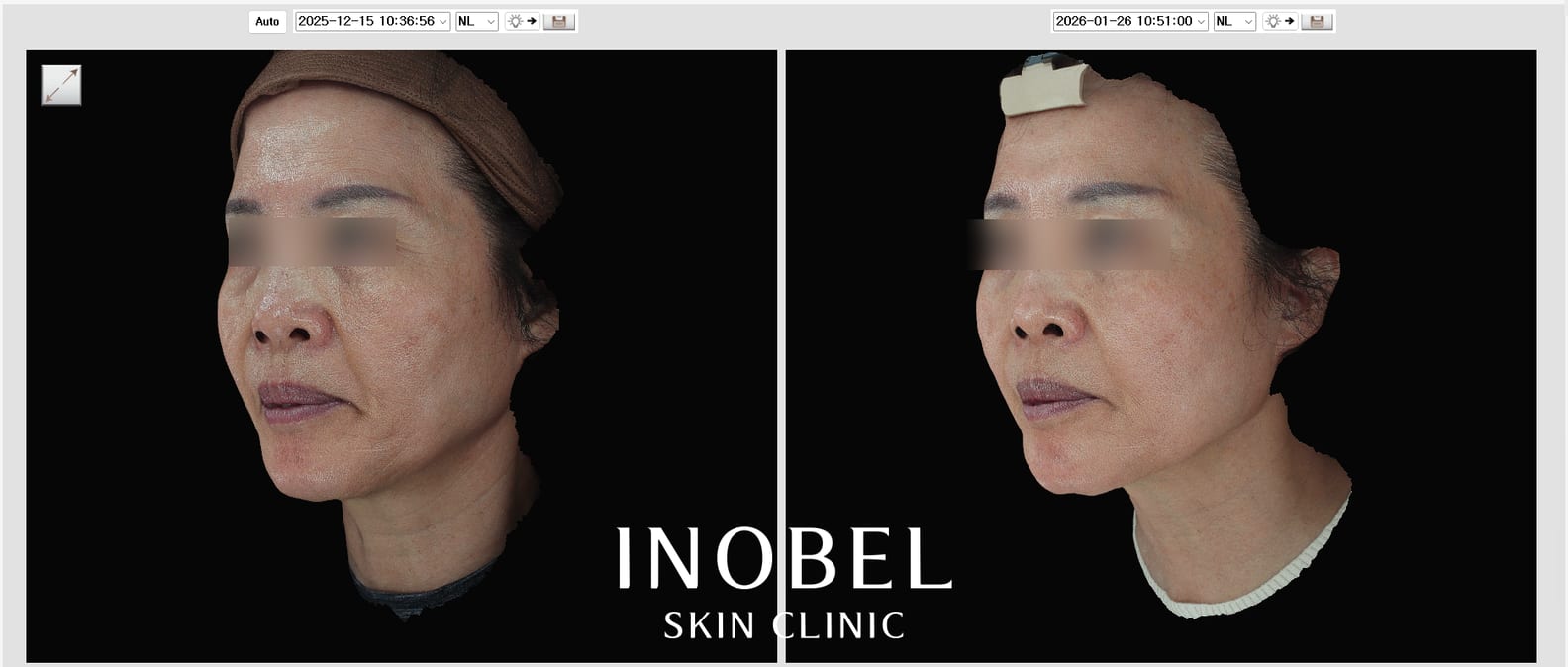
I use Onda first to preheat the skin, then proceed with Thermage.
Depending on the case, a skin booster may also be added.
When nasolabial folds are pronounced
Onda can be used to address the fat layer in the cheeks and reduce the heaviness of sagging cheek tissue, while dermal filler is added to hollow-looking nasolabial folds.
Of course, having one of these concerns does not mean the same combination will always be used.
These examples illustrate how I build a plan step by step, adjusting treatment to the area of concern and deciding whether combining procedures is appropriate.
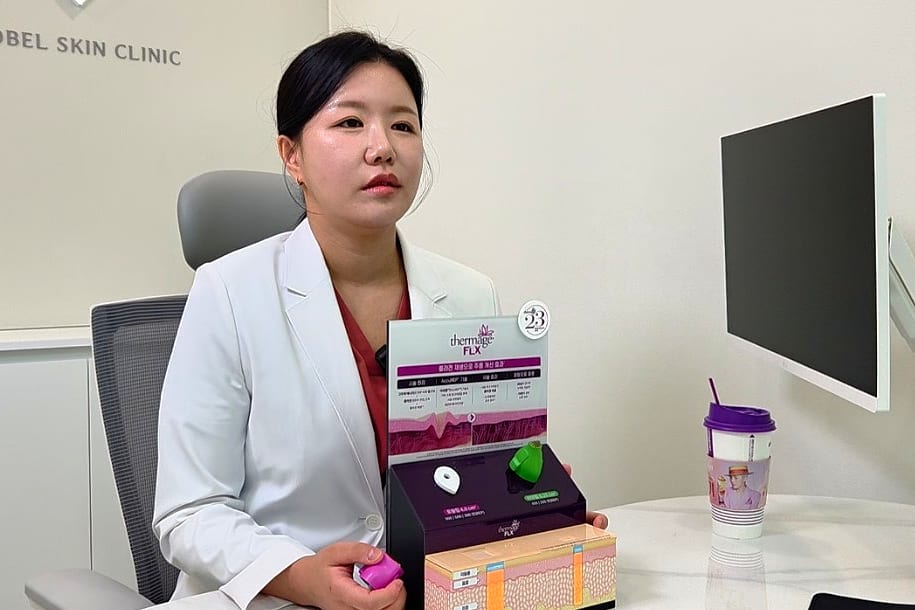
The combination of treatments and the order in which they are used can make a substantial difference to the outcome.
That is why I regard the planning process itself as an important part of lifting treatment.
I hope this helps explain what matters when asking for a lifting recommendation.
I also hope it makes clear why I find it difficult to answer by naming just one procedure.
When I care for people who visit INOBEL CLINIC, I hope they will see us as a place they can return to for future treatment, rather than somewhere they visit just once.
With that in mind, I work with each person to consider a suitable direction for improvement and develop a lifting plan.
Thank you for reading.
< Related reading >
<INOBEL CLINIC notice> | ||
To give each patient careful attention, we see patients by appointment only. This means an appointment may not be available right away, and we appreciate your understanding. We would like to help as many people as we can, but for the quality of consultation and treatment we made this decision with care. Thank you for understanding. |
Mon–Fri 10:00 - 20:00 Lunch break 14:00 - 15:00 Saturday 10:00 - 16:00 Sunday 10:00 - 16:00 | ||
02-6958-5882 |