
Unsure whether to choose Botox or dermal filler?
They may seem similar, but they work differently and produce different results.
Before deciding, it helps to understand the factors that can reduce the chance of an unsatisfactory outcome.
“I don't know whether I need Botox or dermal filler.”
I know that most people who come in for a consultation have already noticed some changes in their face.
Perhaps wrinkles are becoming more visible, the face looks more hollow than before, or their overall look has changed a little.
Naturally, questions come up:
- “Is it time to consider Botox?”
- “Would filler make me look overdone?”
You may be reading this with those very concerns in mind.
There is something I often notice in consultations.
People weighing these two options have usually already decided that they would like a change.
So today, rather than simply comparing Botox with filler, I want to explain what to consider before choosing either.
Botox and filler work in different ways
Let's start with Botox.
It temporarily blocks signals traveling from nerve endings to muscles, reducing excessive muscle contraction.
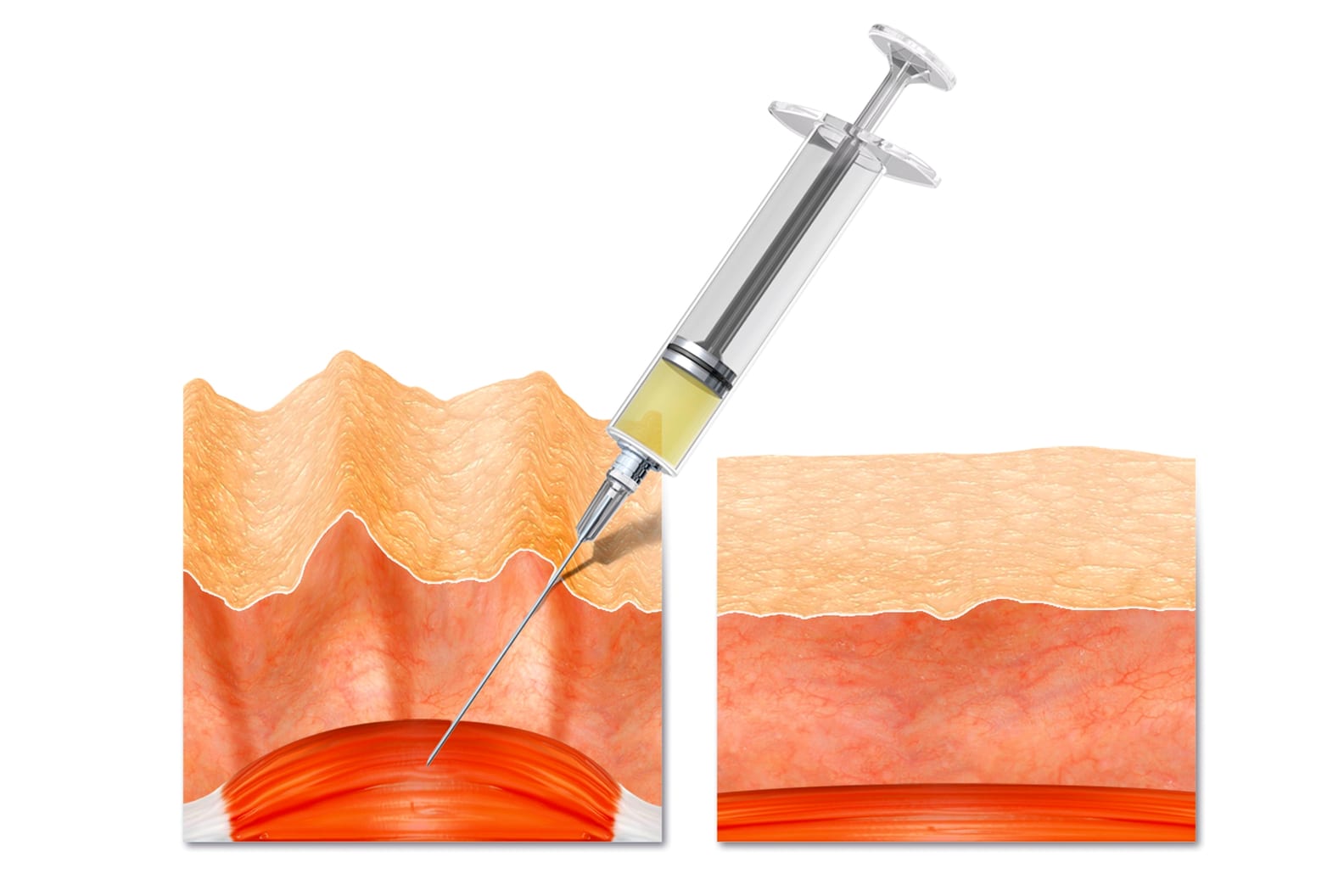
You can think of it as a way to reduce movement.
It may therefore be considered for wrinkles caused by facial muscle activity, such as those between the eyebrows, on the forehead, and around the eyes, or for overactive muscles, such as those contributing to a square jaw.
Dermal filler takes a different approach.
Using substances such as hyaluronic acid, it may be an appropriate option for replacing lost volume or providing structural support.
It can be suitable for areas that lose volume with age, including under-eye hollows, deep nasolabial folds, the cheeks, and the forehead.
Problems can arise when a treatment is chosen based only on appearance, without identifying the cause.
From a medical perspective, changes in the face do not have a single cause.
Even one wrinkle may reflect:
- A nerve and muscle issue related to repeated muscle contractions;
- Reduced support within the dermis as skin loses elasticity; or
- A structural change caused by loss of subcutaneous fat and volume.
The treatment approach should reflect the underlying cause.
For example, even with nasolabial folds, Botox may help if muscle activity is the main factor.
But when fat and collagen have diminished, Botox alone may have limited effects.
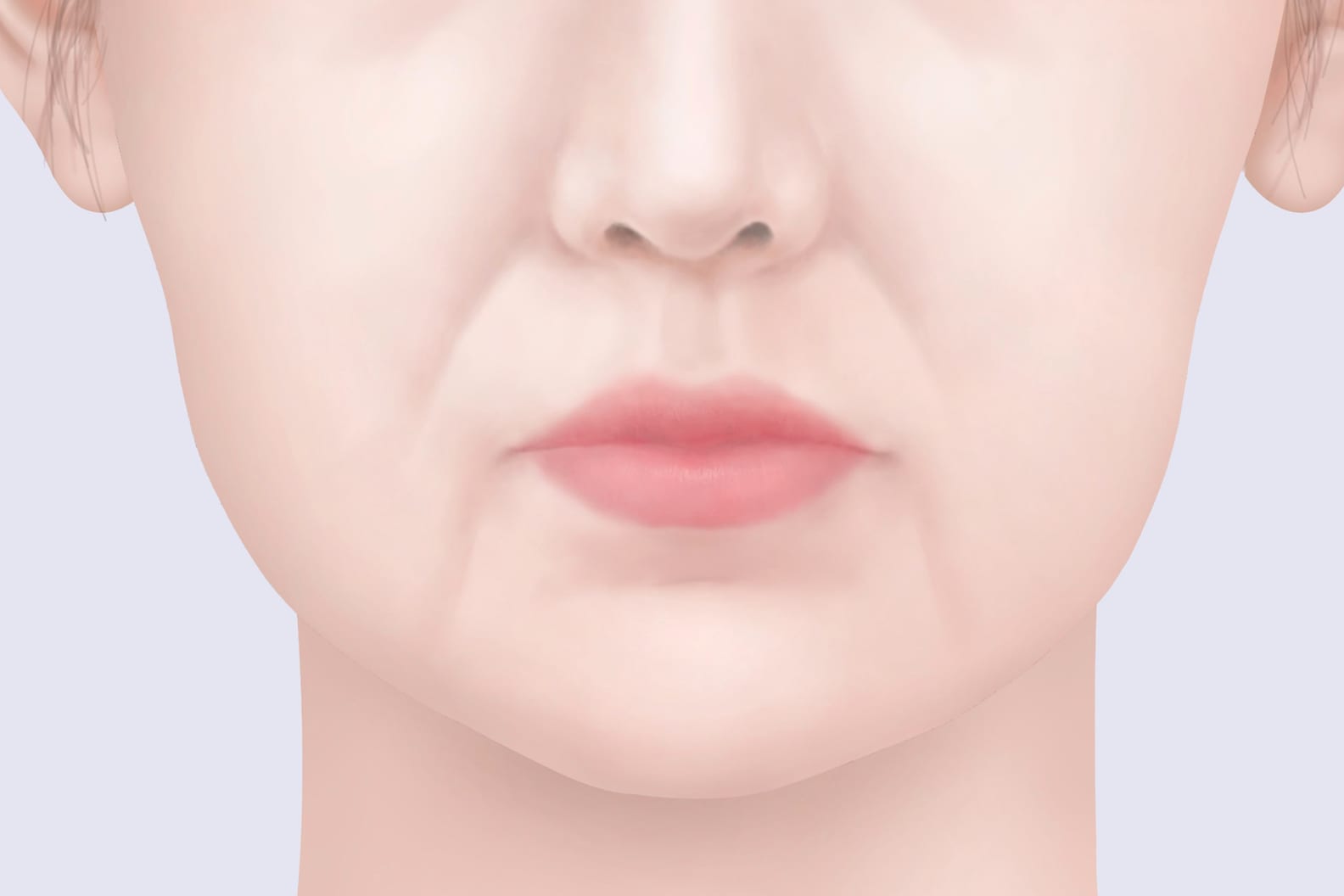
What if filler alone is used when volume loss is not the problem?
Adding volume in an area where it does not fit the way the face moves may make the face look heavy or unnatural.
When weighing your options, it is important to ask why the change has occurred, rather than focusing only on where something looks different.
<Curious about Sofwave lifting? Read more here>
A consultation is a diagnostic assessment, not simply a choice of treatment.
When choosing between these two options, I would emphasize that the diagnostic process matters more than the procedure itself.
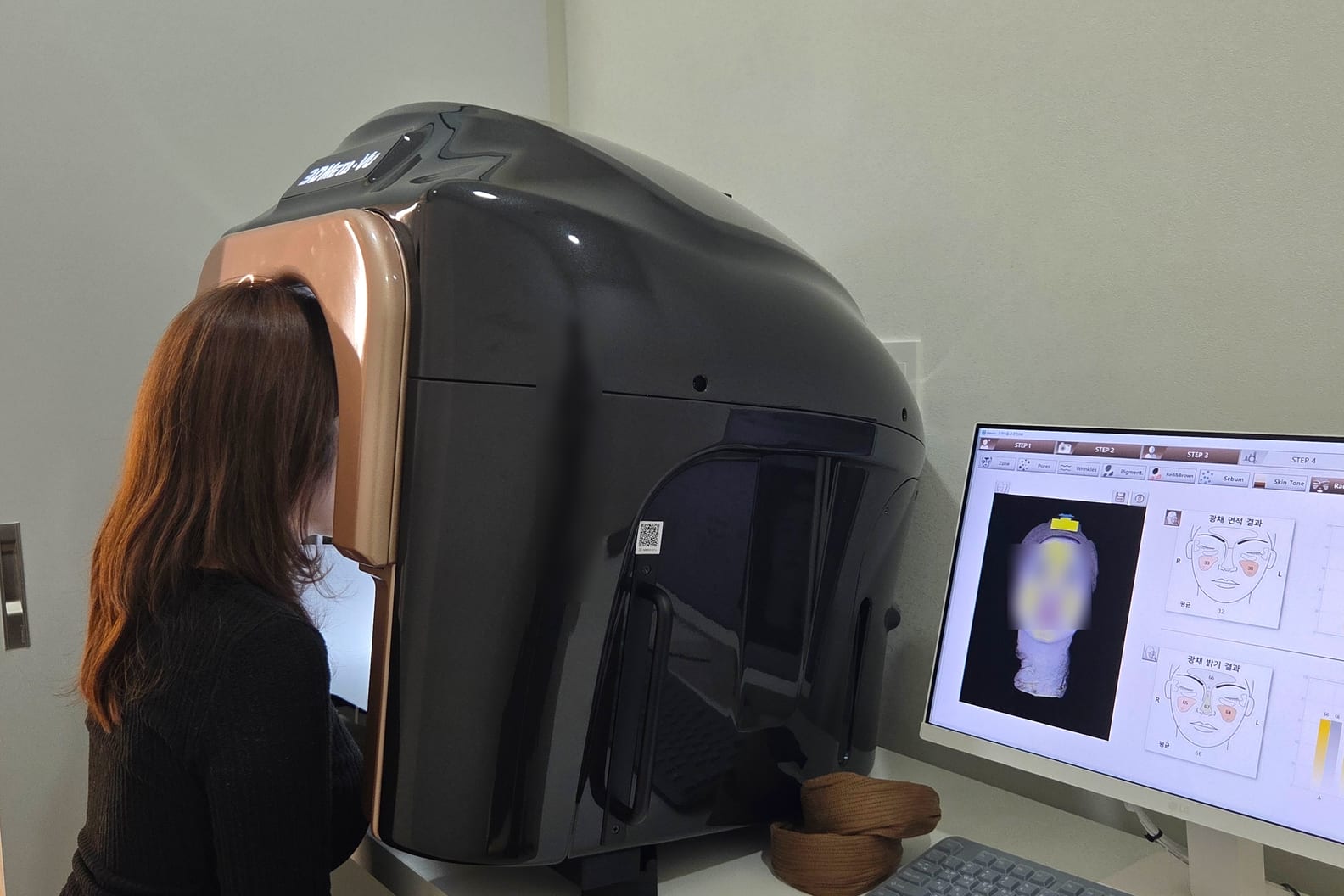
Muscle thickness and patterns of use
Muscle development and frequency of use differ from person to person, even in the same facial area.
With Botox, for example:
A highly developed muscle may respond sensitively even to a small dose, while the same dose in a thinner muscle may cause stiffness. Careful dosing is needed.
Skin elasticity and the condition of the dermis
Elasticity is not just how the skin feels on the surface.
It also relates to the density of collagen and elastin in the dermis and the skin's ability to retain moisture.
If dermal support is weak, adding volume alone may leave filler without adequate support and may contribute to sagging.

Facial bone structure and soft tissue support
The facial bones and the arrangement of fat and muscle over them are important variables that can change the outcome of the same treatment.
Adding excessive volume where bony support is limited may make the face look heavier over time, so the decision needs care.
Asymmetry and facial expression habits
Most faces have subtle asymmetries related to everyday expressions, the side used for chewing, or differences in eyebrow movement.
If these are overlooked, asymmetry may become more noticeable over time, even if the initial appearance seems fine.
Before choosing a clinic, I suggest looking beyond price or other people's opinions.
“How much time does this clinic devote to analyzing my face?” is a useful question to consider carefully.
<Looking into acne treatment? Read more here>
Treatment planning shapes the result.
Whatever the procedure, its design plays an important part in the outcome.
The plan should specify which muscles should retain movement, which areas to adjust, and by how much.
If volume is needed, its position and injection depth also need to be planned.
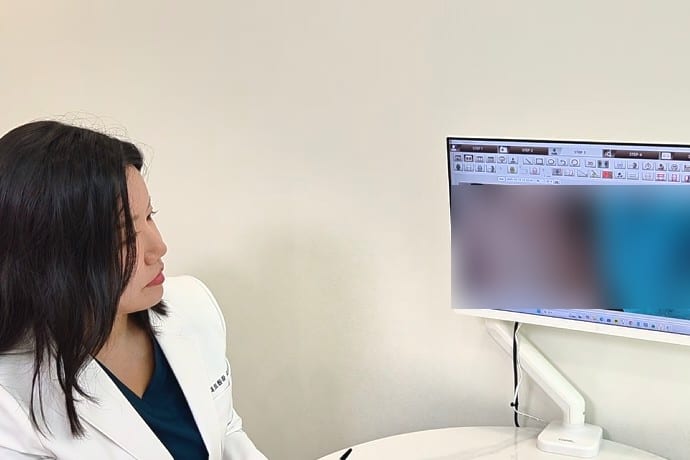
It should also consider how changes might accumulate with repeated treatments, rather than focusing only on a single session.
Without enough attention to this process, the initial result may seem fine, but expressions can become awkward or the face can look heavier over time, causing dissatisfaction.
How can you recognize a clinic that values natural-looking, individualized treatment planning?
Often, the explanation before treatment is detailed and unhurried.
You may also hear, “You don't have to decide right now.”
This willingness to give you time is not a sign of indecision.
It suggests a careful approach to a sensitive area: your face.
I see this as one important factor that can help reduce the chance of a result falling short of expectations.
There is no fixed answer to which treatment is better.
What matters is understanding the cause of the changes in your skin now.

At INOBEL CLINIC, we explain the diagnosis before discussing a treatment name.
We place more value on how comfortable you feel when you look in the mirror than on following trends or chasing numbers.
We will do our part to help you make a thoughtful decision with less anxiety.
Thank you.
< Related reading >
<INOBEL CLINIC notice> | ||
To give each patient careful attention, we see patients by appointment only. This means an appointment may not be available right away, and we appreciate your understanding. We would like to help as many people as we can, but for the quality of consultation and treatment we made this decision with care. Thank you for understanding. |
Mon–Fri 10:00 - 20:00 Lunch break 14:00 - 15:00 Saturday 10:00 - 16:00 Sunday 10:00 - 16:00 | ||
02-6958-5882 |