
The consultations I have with people visiting our clinic tend to follow two patterns.
Some ask, “Which treatment would suit this concern?” and want to work out the overall approach together.
Others have already gathered information and arrive asking for a particular treatment.
People in that second group often ask:
“I have been looking into it,
and I found these two options.
Which is better?”
They are asking me to choose one of the two.
One comparison I have heard many times in consultations is Thermage versus Onda.
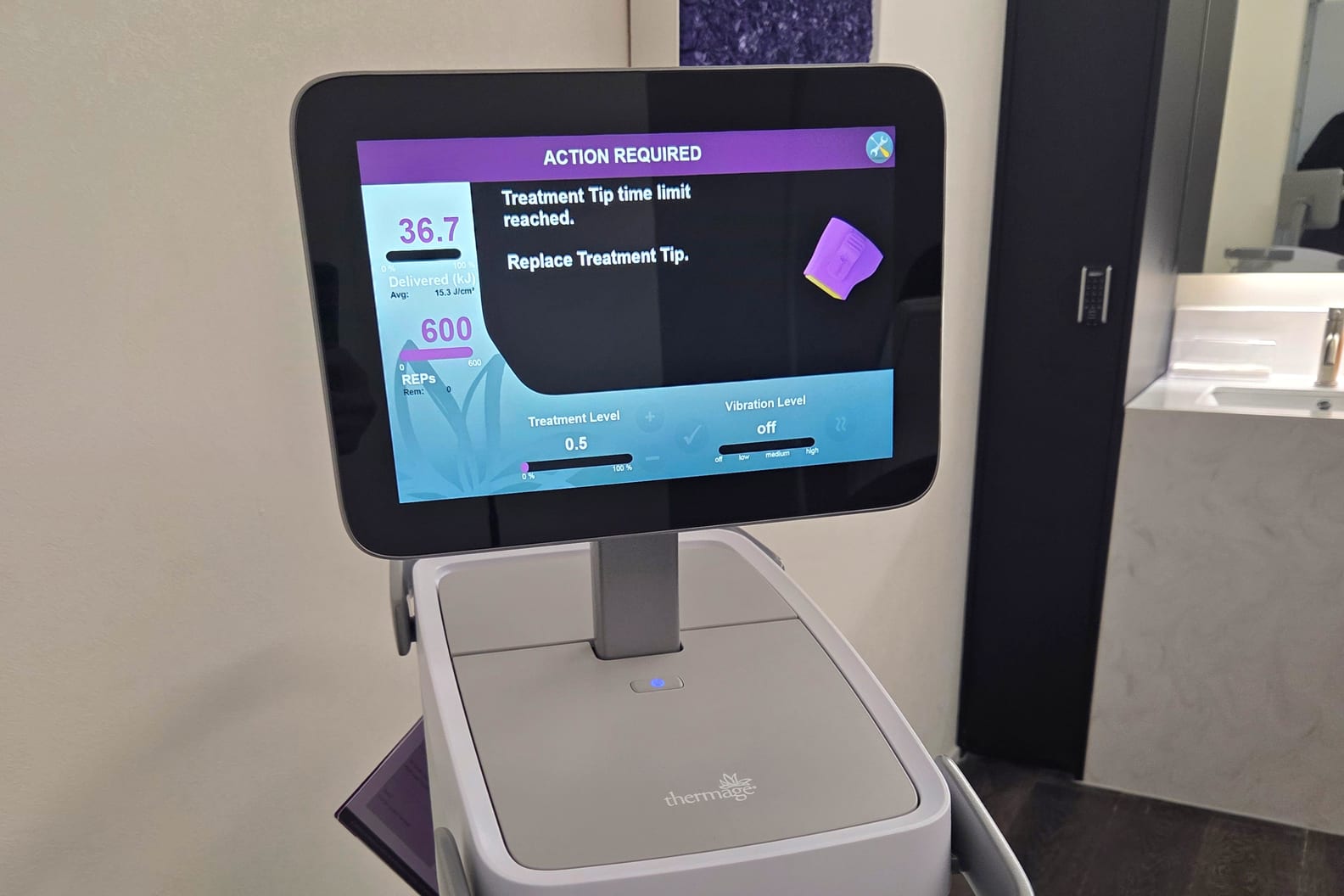
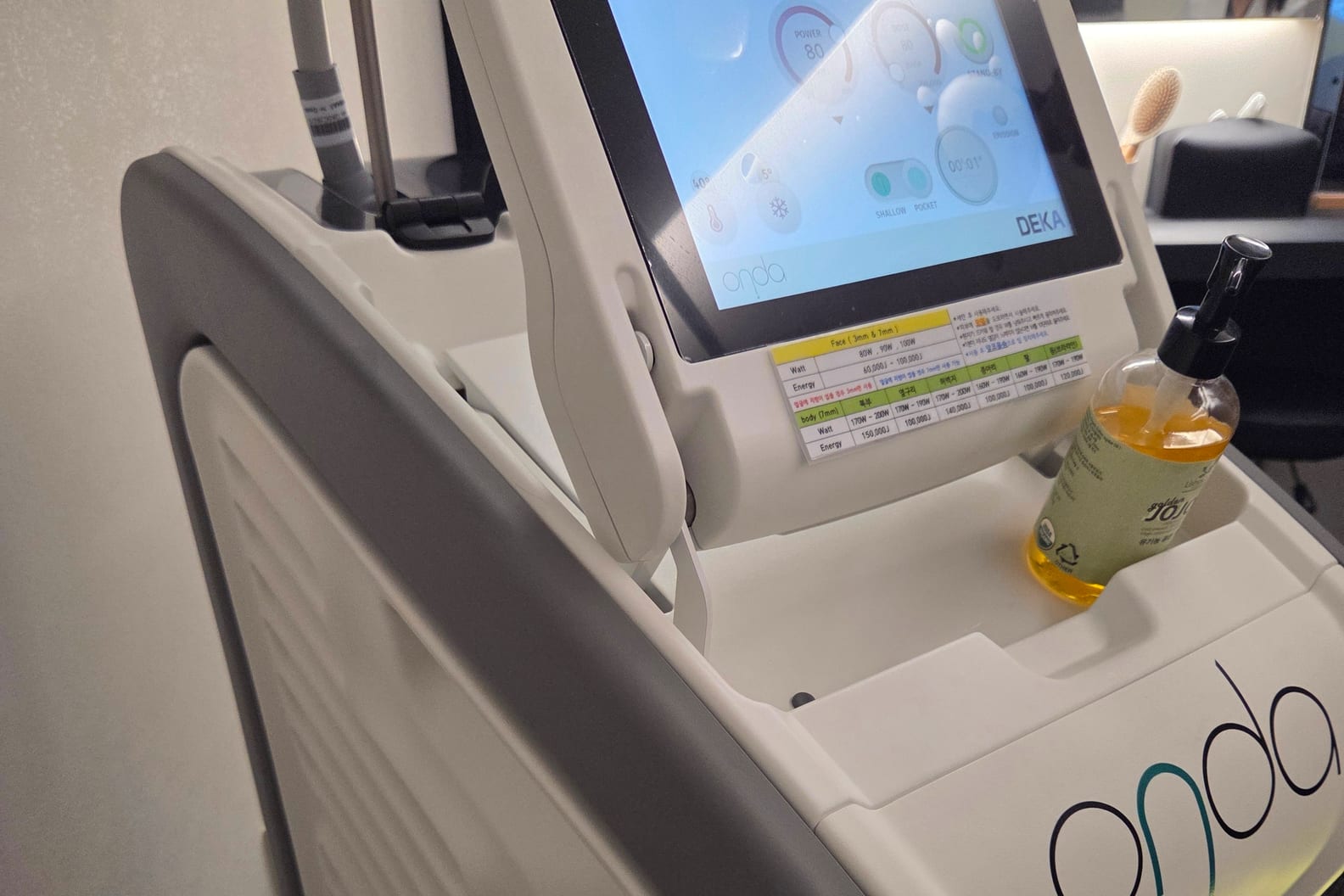
I often respond with a question of my own:
“Why are you looking
to choose just one?”
Rather than ranking one above the other, I consider them a combination that may work well together.
Today, I will explain Levelon Thermage, our program combining these two lifting treatments.
Why I often recommend Thermage with Onda
Facial aging does not occur in just one layer.
Changes develop together at several depths, from the layers near the surface to those further beneath it.
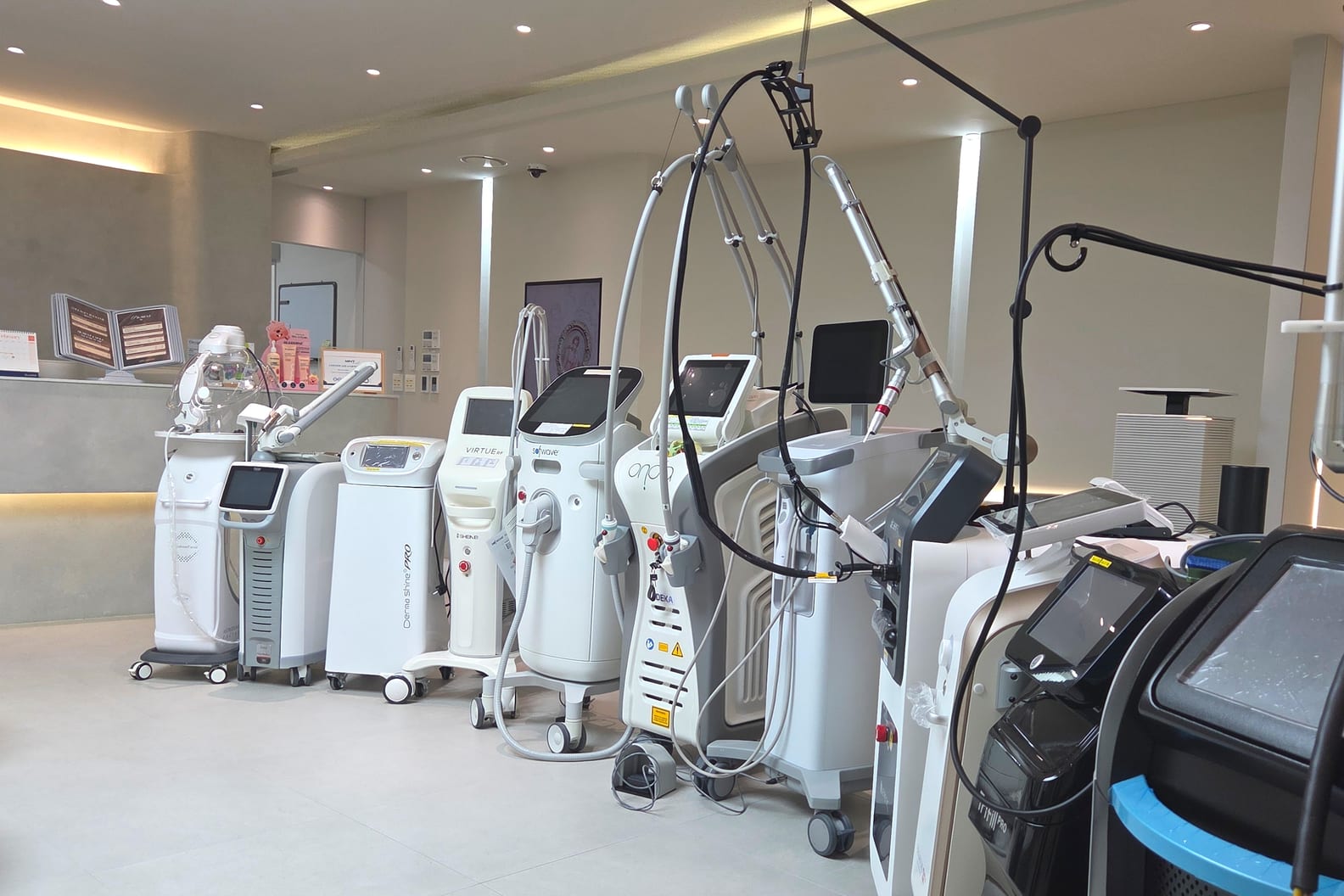
That means a single device
may have limitations.
This is one reason I suggest combining the two treatments.
| Thermage FLX | Onda |
Energy | Radiofrequency | Microwave energy |
Treatment depth | 2~2.5mm | 3mm / 7mm |
Potential effects | Improved elasticity and texture, reduced pore appearance | Improved elasticity, fat reduction |
The table shows differences in the energy used, target depth, and intended effects.
Used together,
the treatments may complement one another,
building on their respective strengths.
These are common reasons I recommend the combination.
<Want to learn more about Thermage? Read more here>
The relationship between skin temperature and radiofrequency energy
Those differences already provide a rationale for combining the two treatments.
But there is another reason our clinic places emphasis on this combination.
To explain it, let us first consider a study.
It examined the relationship between skin temperature and increased collagen synthesis following radiofrequency treatment.
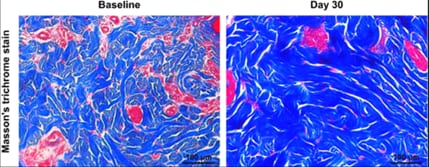
In a porcine study, skin temperature was raised to 50°C, 60°C, and 70°C, and tissue changes were examined 30 days later.
No thermal injury was observed in that study, while collagen density increased significantly and tissue remodeling was also observed.
The findings showed that reaching certain temperatures affected collagen density and thickness.
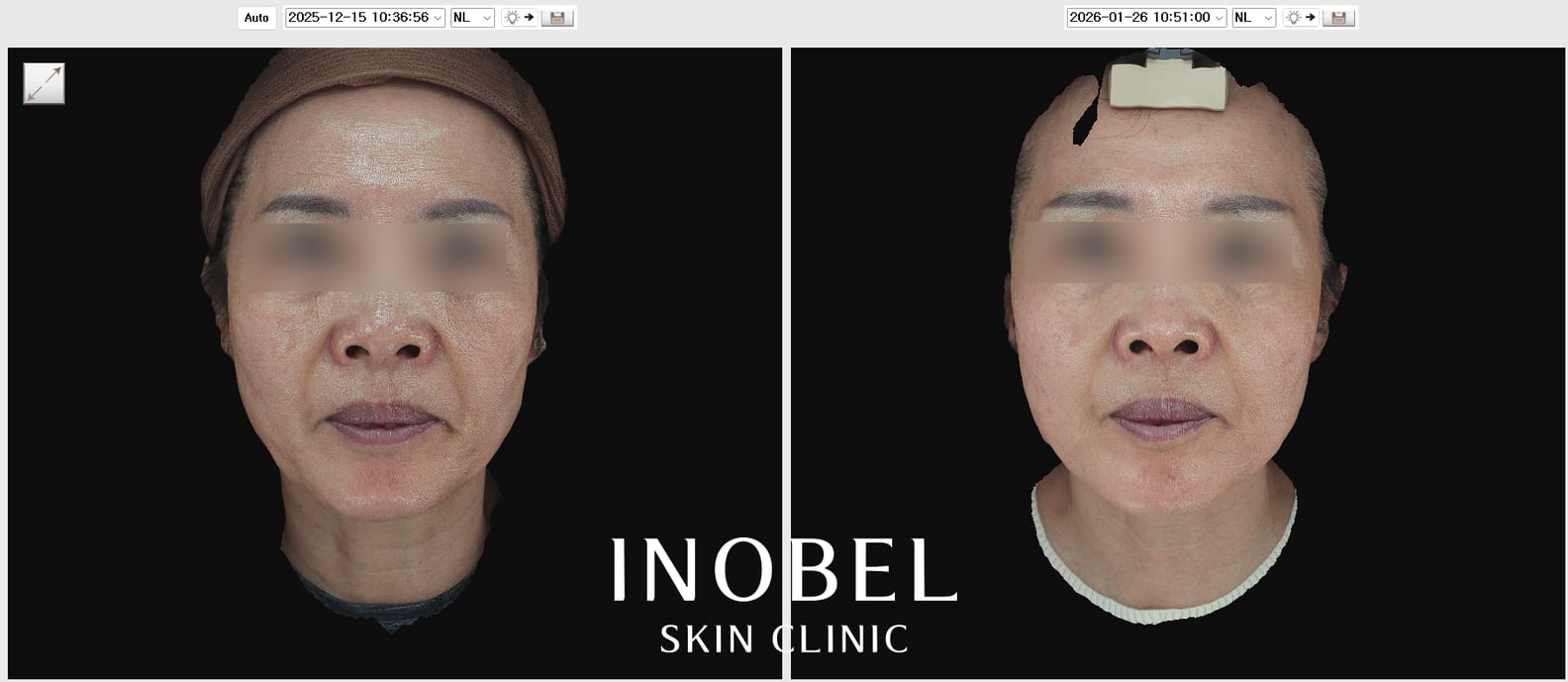
Thermage draws on this principle, using thermal energy to encourage collagen production.
The key point is
that skin temperature needs to rise
beyond a certain level
for collagen synthesis to become active.
<Want to learn more about Onda lifting? Read more here>
Levelon Thermage focuses on preheating
Before the skin reaches a sufficient temperature, Thermage energy may be used less efficiently, with some loss early in the session.
After observing a range of cases at our clinic and continuing to think about this, I asked myself:
“Could we find a way
to make the energy used early on
work a little more effectively
during treatment?”
That led me to an approach based on preheating the skin to raise its temperature first.
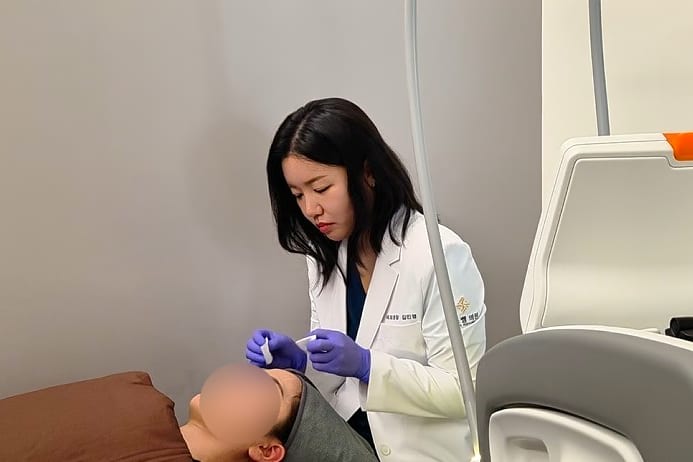
The resulting program starts with Onda for preheating, followed by Thermage.
The potential complementary effects of combining them matter, but reducing energy loss is another aim of this approach.
I hope this article helps if you have been weighing Thermage against Onda.
This particular combination need not be the basis for every treatment decision.
What matters is understanding
the current condition of your face
and the kind of approach
that it calls for.
Starting there may help you make a choice that suits you better.
This was Dr. Kim Min Young, Medical Director of INOBEL CLINIC.
< Related reading >
<INOBEL CLINIC notice> | ||
To give each patient careful attention, we see patients by appointment only. This means an appointment may not be available right away, and we appreciate your understanding. We would like to help as many people as we can, but for the quality of consultation and treatment we made this decision with care. Thank you for understanding. |
Mon–Fri 10:00 - 20:00 Lunch break 14:00 - 15:00 Saturday 10:00 - 16:00 Sunday 10:00 - 16:00 | ||
02-6958-5882 |