
“What have you done to make your skin look so much better?”
Many people would like to hear that question.
It is one reason they explore different ways to care for their skin.
Recently, we have been receiving a steady stream of inquiries about stem cell injections.
Stem cells are receiving attention in the field of aesthetic regenerative medicine.
The concept once felt unfamiliar to many people, but as awareness grows, more members of the public are showing interest and asking about it.
During consultations, however, I also often hear:
“I have heard they can be helpful,
but what exactly are the benefits?”
More people ask this than you might expect.
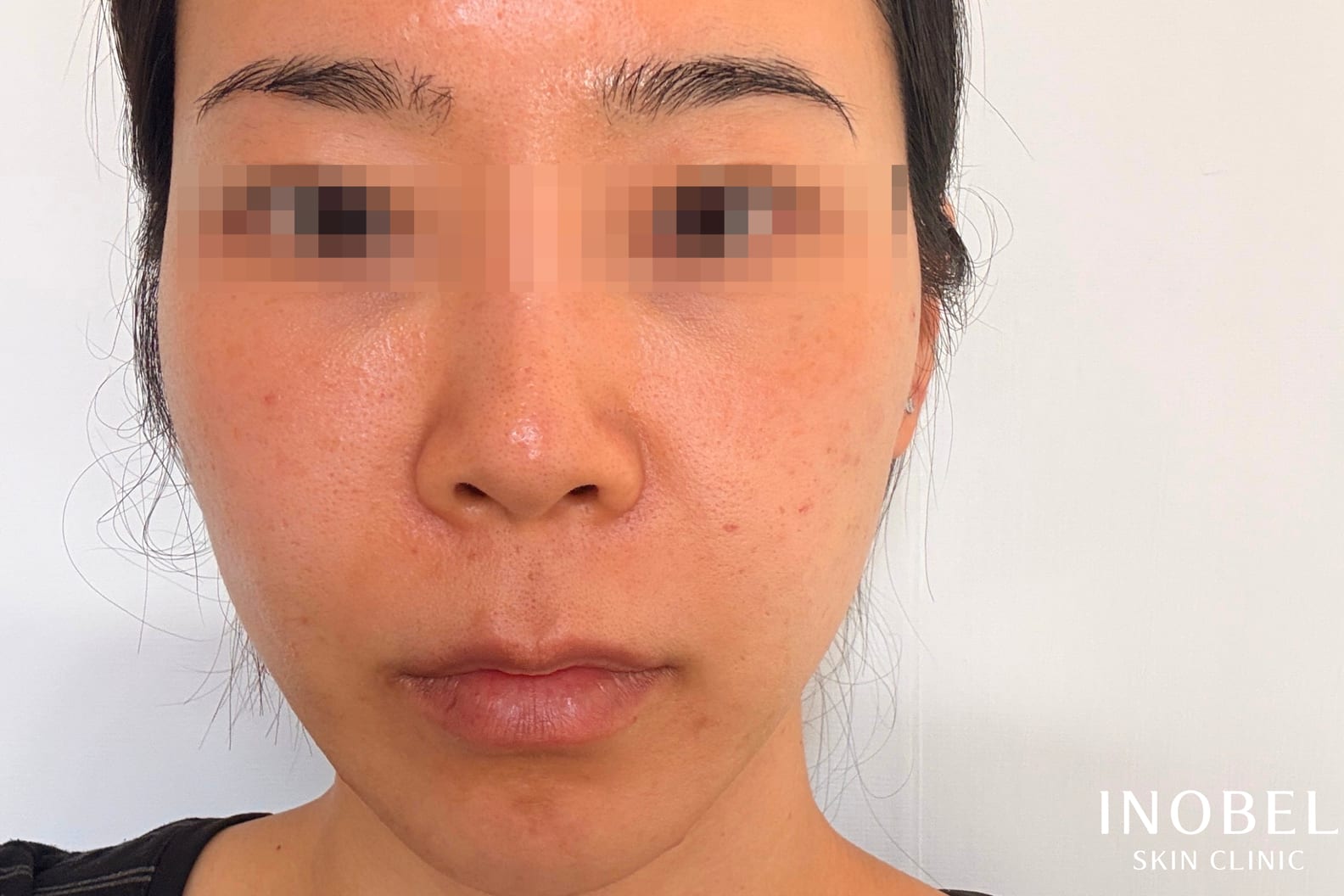
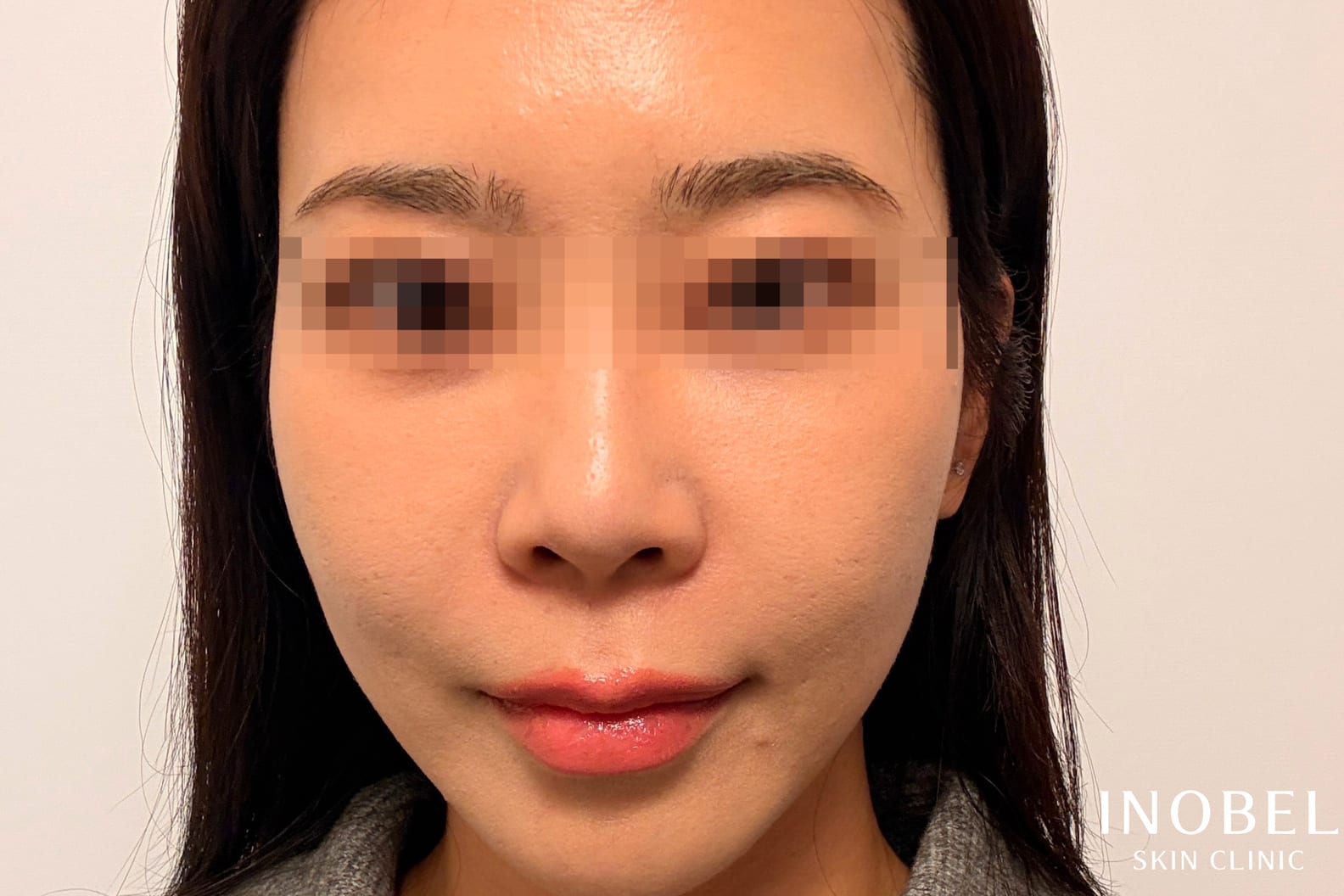
Today, from my perspective as a practicing physician, I would like to explain why this treatment is being discussed so much.
If you are interested, I invite you to take a few minutes to read on.
A key feature discussed with stem cell injections:
the “homing effect”
The homing effect is a concept that frequently comes up in discussions of these injections.
The term may sound technical, but the idea is easy to follow.

In simple terms, it describes the ability of stem cells
to move toward damaged tissue
or tissue in need of support.
When tissue is injured or inflamed, the body releases various signaling substances.
Stem cells can move in response to these signals and participate in the recovery process at that site.
This movement is called the homing effect, as though the cells were finding their way home.
This is also why the concept is frequently discussed in aesthetic medicine.
Over time, skin loses collagen and experiences repeated minor damage, which can gradually affect its condition.
In this environment, the various growth factors and signals delivered by stem cells may help support regeneration.
That is why many people take an interest in these injections with the aim of improving overall skin condition, including texture, tone, and fine lines.
Returning to daily activities the same day may be possible
“Does it take a long time?”
“Can I get back to my usual activities right away?”
During consultations, people often ask as much about the process and recovery period as they do about the effects.
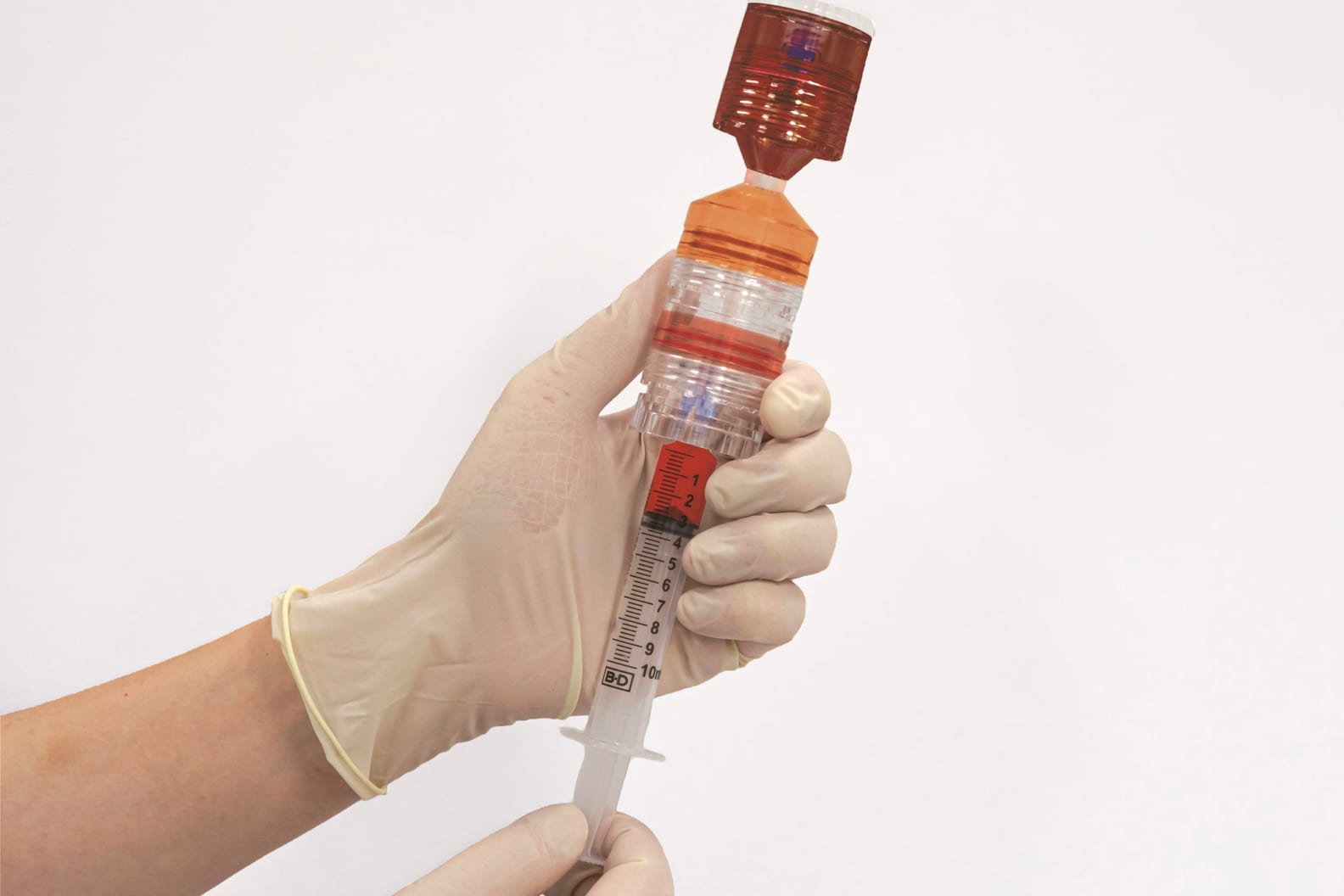
The Novastem device I use works with the patient's own components, separated and concentrated on the day of treatment without culturing.
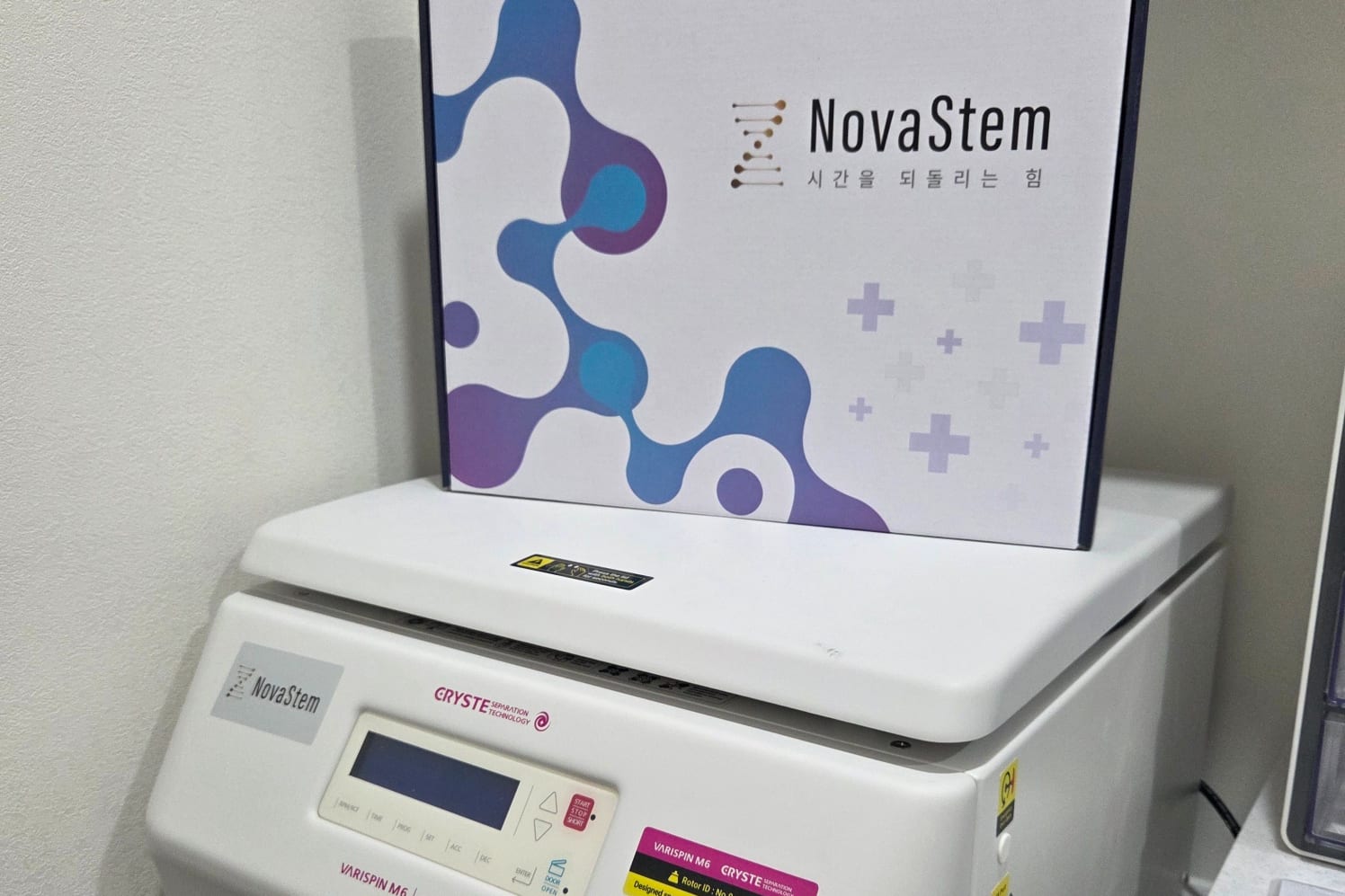
Usually, we first assess your skin through a personalized, one-to-one consultation and examination.
Blood is then drawn for the process of separating and extracting stem cells.
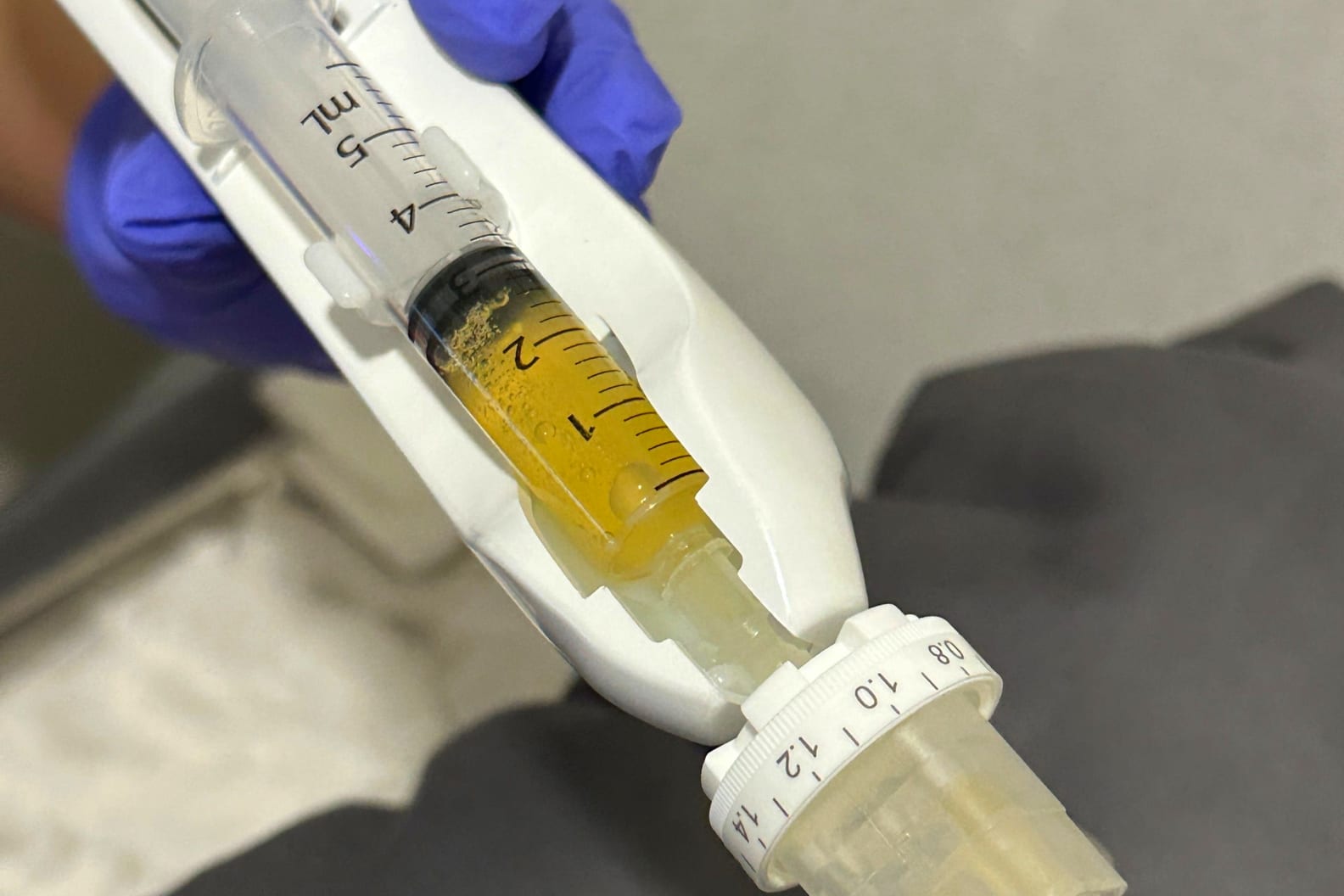
Once preparation is complete, the extracted material is injected into the areas being treated.
After a short recovery period, most people go home if there are no significant concerns.
In other words, the procedure is
relatively straightforward,
and most people can resume daily activities the same day.
What to check before treatment
I have described a process that can be relatively straightforward.
That does not mean the assessment beforehand should be treated lightly.
In fact, I consider this stage even more important.
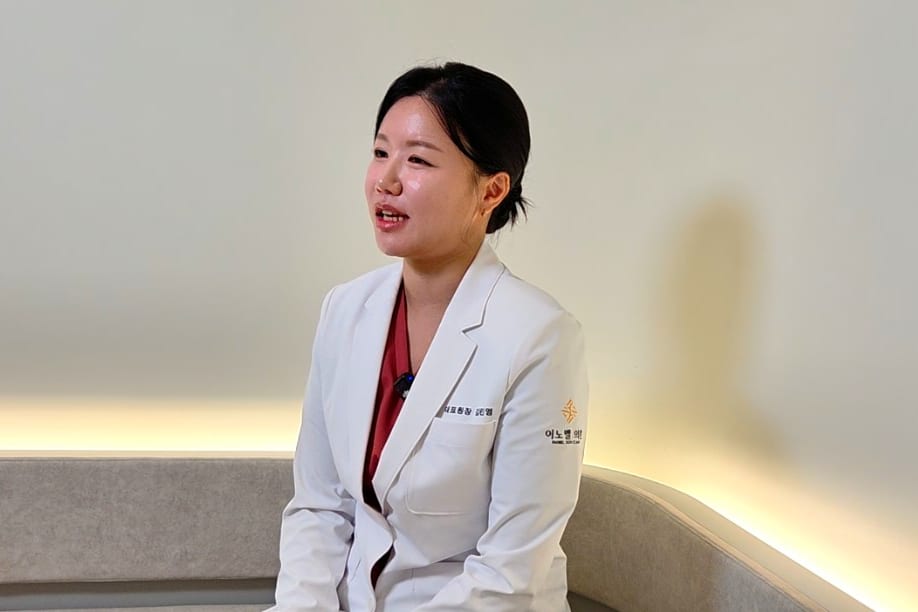
The treatment is sometimes understood simply as “extracting cells and injecting them into the skin.” However:
The extraction process, concentration method,
and injection technique
can all affect both results and safety.
It is therefore important to understand how treatment will be performed and who will perform it.
There is one point I always emphasize:
individualized treatment.
Stem cell treatment is no exception.
Before proceeding, I first carefully assess and analyze the person's current condition.
I then develop an overall plan for the areas to treat, the injection depths, and the amounts to use before beginning.
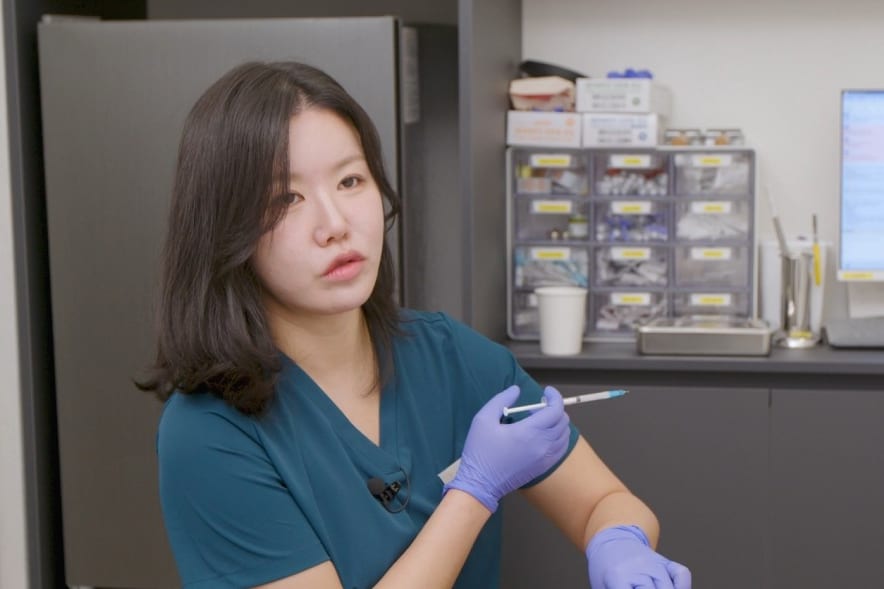
This is one reason my consultations tend to take a little longer.
Skin thickness and blood vessel distribution differ between areas such as under the eyes, the forehead, the cheeks, and the jawline, so the approach needs to vary accordingly.
It is worth remembering
that these injections are performed
manually by the physician.
During treatment, I therefore adjust the injection depth and amount while considering the characteristics and anatomy of each area.
I believe these careful steps can contribute to more consistent results.
I believe there are reasons stem cell injections are attracting interest.
As regenerative medicine develops, approaches to skin care are gradually changing too.
Still, as with any procedure, it is important to consider what your skin currently needs rather than choose a treatment simply because it is popular.
During consultations, I do not recommend something merely by saying, “This is a popular treatment right now.”
I first consider whether stem cell injections might help in your situation or whether another approach would be more appropriate.
This was Dr. Kim Min Young, Medical Director of INOBEL CLINIC.
< Related reading >
<INOBEL CLINIC notice> | ||
To give each patient careful attention, we see patients by appointment only. This means an appointment may not be available right away, and we appreciate your understanding. We would like to help as many people as we can, but for the quality of consultation and treatment we made this decision with care. Thank you for understanding. |
Mon–Fri 10:00 - 20:00 Lunch break 14:00 - 15:00 Saturday 10:00 - 16:00 Sunday 10:00 - 16:00 | ||
02-6958-5882 |