
Hello, I'm Dr. Kim Min Young, Medical Director of INOBEL CLINIC.
“I'm hesitant about fillers, but I'd like to add volume naturally.”
Some people share this concern during consultations at our skin clinic in Gangnam.
One option I often discuss is a collagen booster.
These are still less familiar than fillers, so many people ask what they actually are.
If you are reading this article, you may have the same questions:
What does the treatment involve, and how do the options differ?
Drawing on my clinical experience, I will explain the differences.
Please take 3 minutes to read on.
What is a collagen booster?
As the name suggests, this treatment stimulates collagen production.
Rather than simply adding material to fill a space, it aims to create conditions that encourage the skin to produce its own collagen.
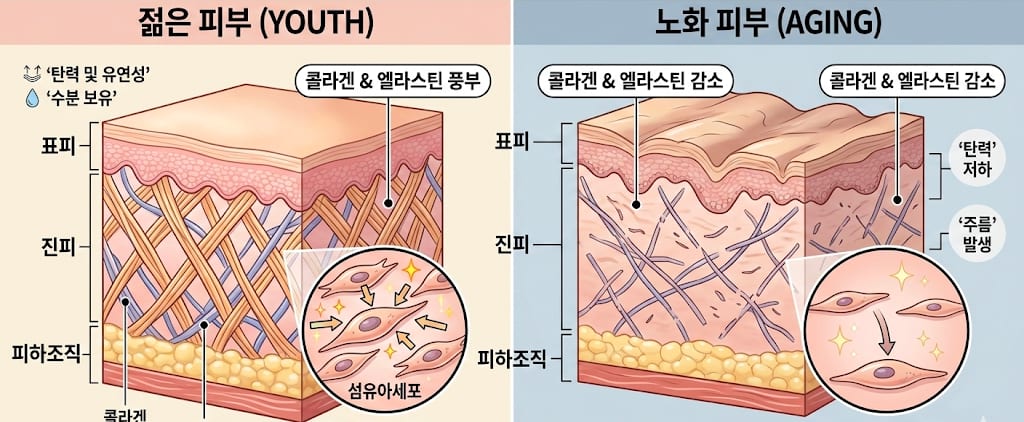
Our ability to produce collagen gradually decreases as we age.
The aim is to reactivate this process and gradually improve elasticity, density, and texture.
Changes tend to develop naturally over time, rather than appearing as a dramatic change in a short period.
“How is that different from a filler?”
This is a common question.
Fillers differ in that they use a preformed gel to add volume directly when injected.
<Deciding between Botox and fillers? Read this article>
Comparing Radiesse, Juvelook, and Sculptra
Category | Radiesse | Juvelook Volume | Sculptra |
|---|---|---|---|
Key ingredient | CaHA (calcium) | PDLLA (lactic acid) | PLLA |
Particle shape | Smooth spheres | Rounded, soft form | Large, pointed form |
Treatment areas | Overall firmness | Front cheeks, nasolabial folds, lateral cheeks | Deeply hollowed areas, temples |
All three are called collagen boosters because they share a broad purpose.
A closer look, however, reveals differences in their ingredients and how they work.
Radiesse consists of a calcium-based mineral, CaHA, similar to a substance found in the body.
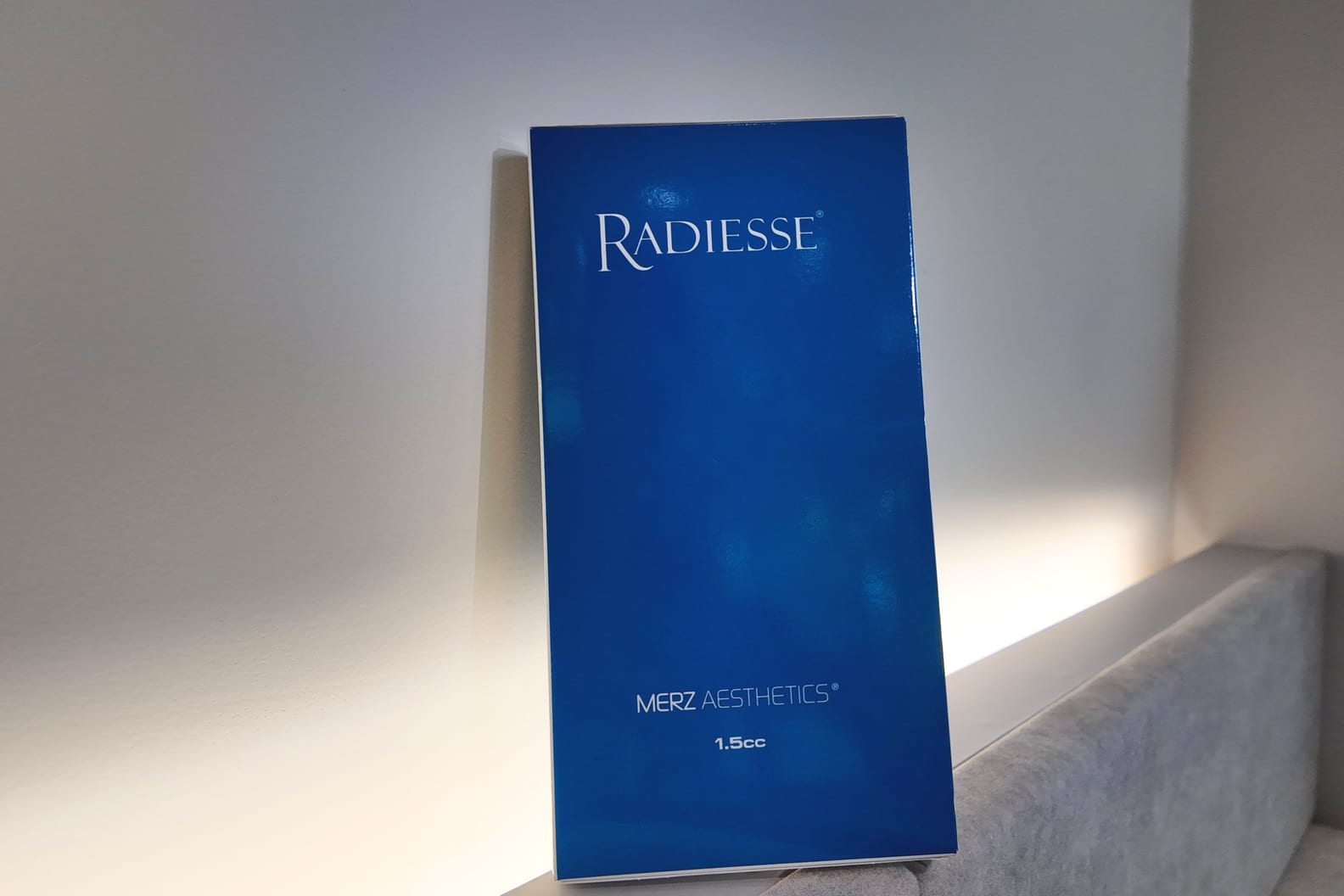
Alongside stimulating collagen production, it can help support the broader extracellular matrix (ECM), including elastin, proteoglycans, and new blood vessels.
Its small, uniformly spherical particles have smooth surfaces, which can help them settle relatively stably within the skin.
After treatment, the face may feel firmer and more resilient.
Next is Juvelook.
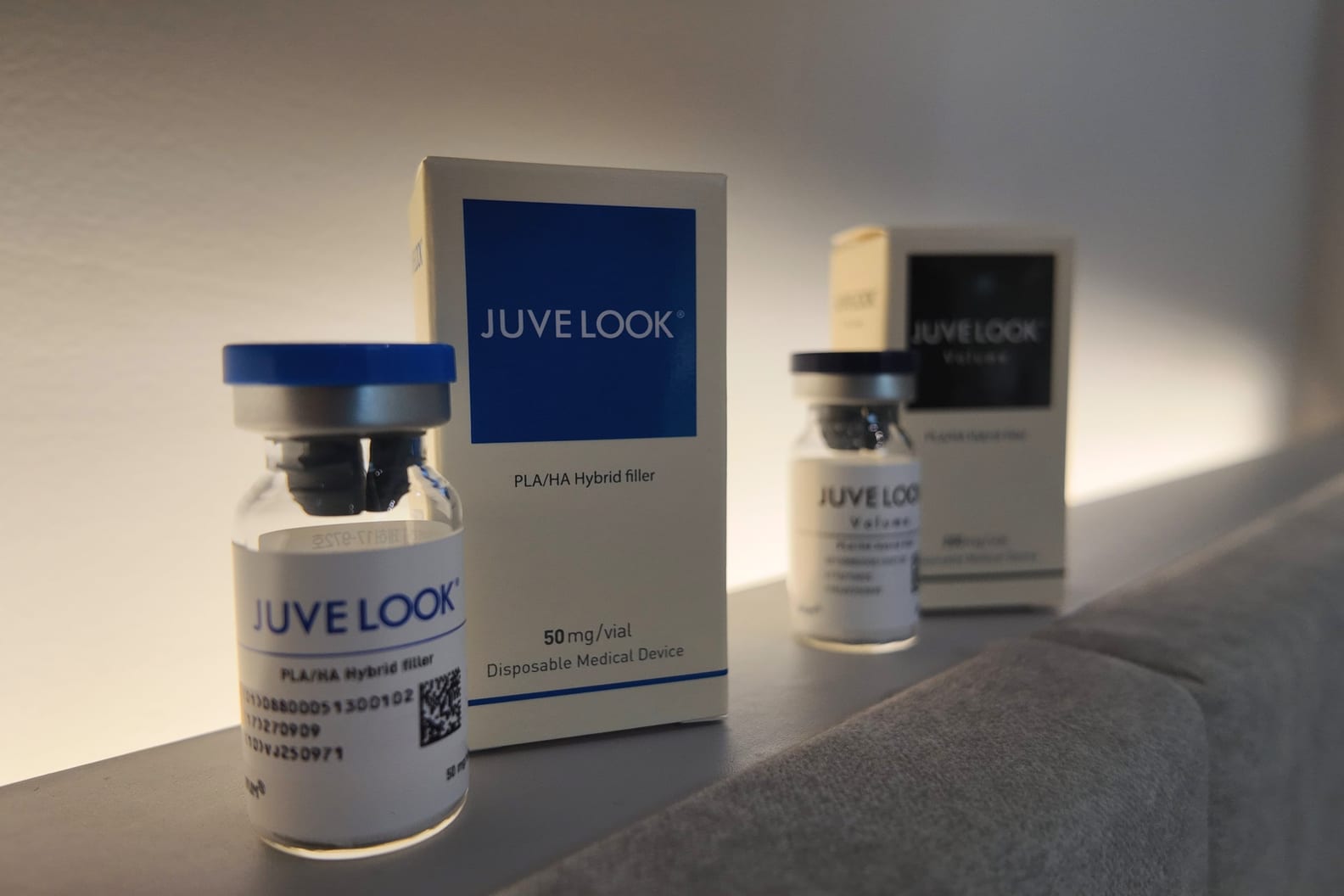
Juvelook combines PDLLA, a PLA polymer, with hyaluronic acid.
It also has properties that can encourage some fat synthesis and the formation of fibrous septa.
As a result, volume may appear to return gradually and naturally over time.
Finally, there is Sculptra.
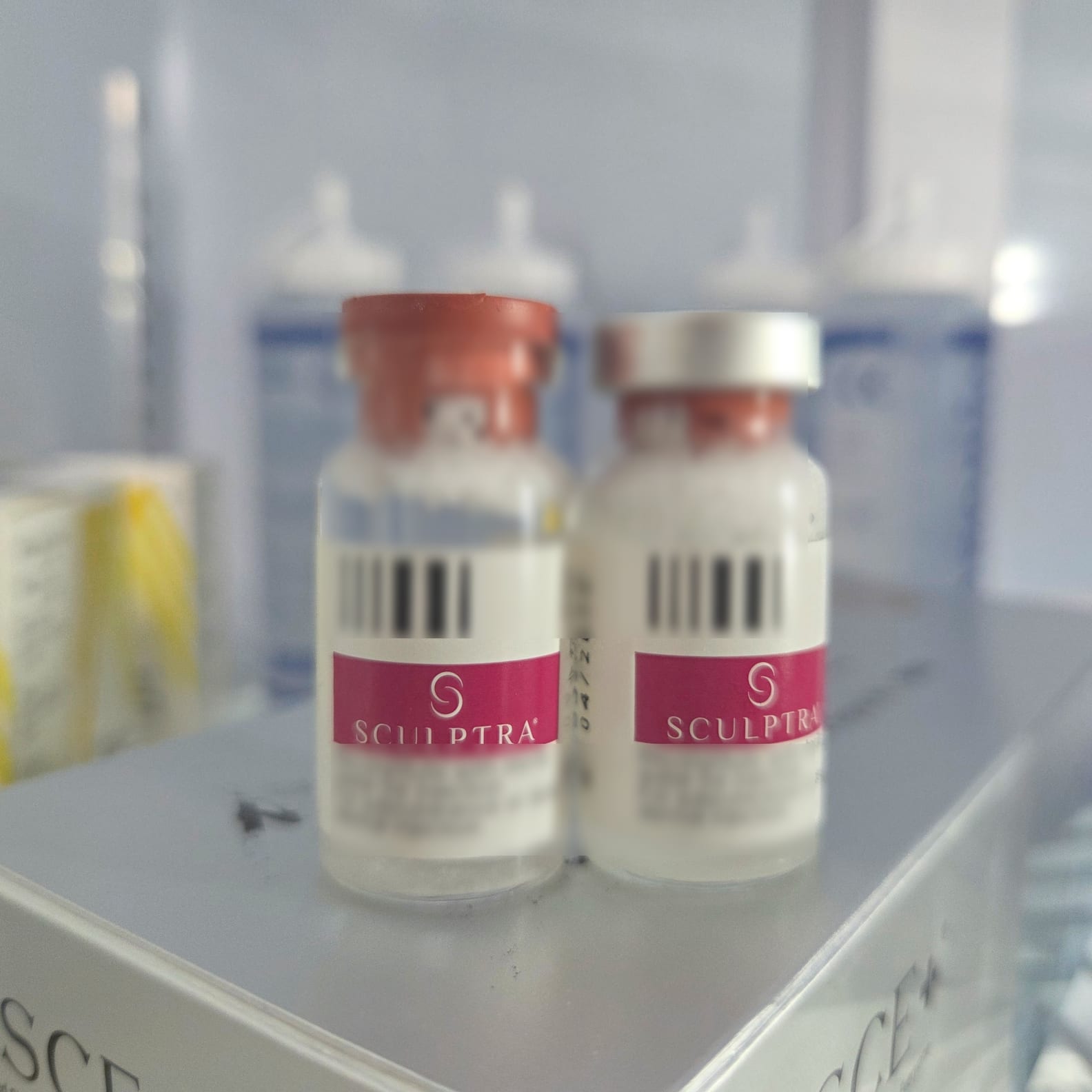
This product uses poly-L-lactic acid (PLLA) and provides relatively strong stimulation of collagen production among the three options discussed here.
It can serve as structural support when broader volume support is needed, such as when a person is concerned about substantial facial volume loss.
<Curious about skin boosters and Re2O? Read this article>
Findings reported in research
My experience providing these treatments suggests that they are more than a passing trend.
Research and clinical studies evaluating their effects are continuing.
One paper analyzed their effects on skin regeneration.
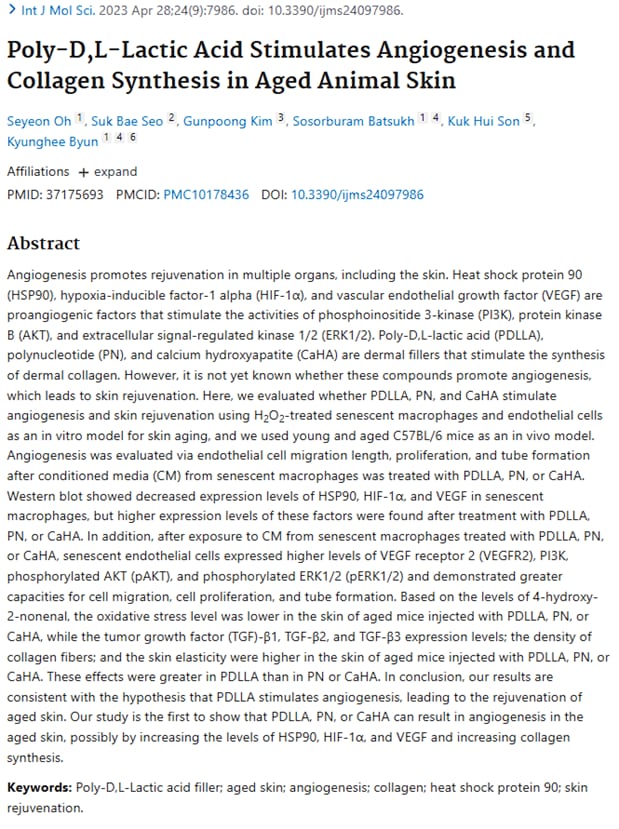
The substances used in the study were poly-D,L-lactic acid (PDLLA), polynucleotide (PN), and calcium hydroxyapatite (CaHA).
These relate to the products discussed here: Juvelook, Sculptra, and Radiesse.
The study compared changes in fibers and elasticity after treatment in aged animal skin.
It reported a tendency for the treated skin to recover toward levels similar to those of younger skin.
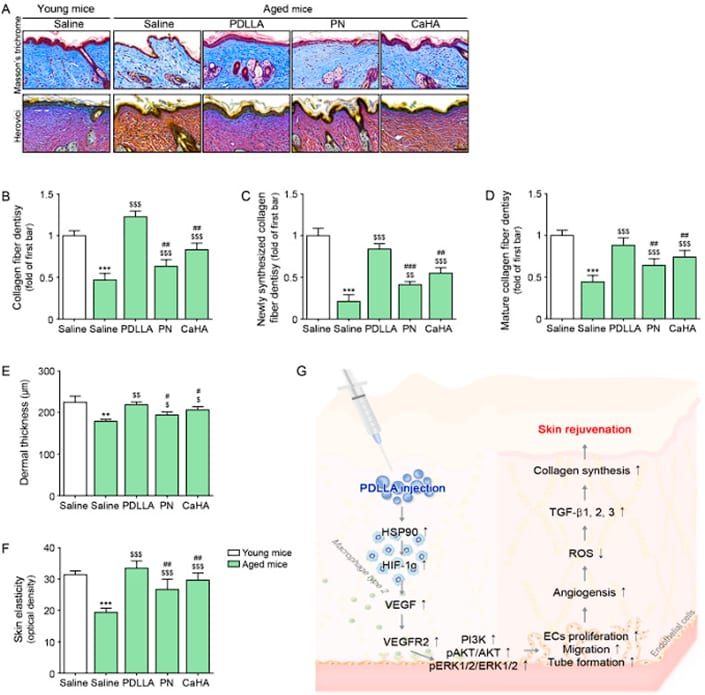
Graph F in the paper helps illustrate this.
The green bar, representing aged skin, shows lower elasticity than the white bar for young skin. Elasticity increased after PDLLA, PN, or CaHA treatment.
This illustrates the rationale for collagen boosters: they aim to improve the environment within aging skin.
Radiesse, Juvelook, and Sculptra have similarities, but the kinds of changes expected from each differ.
The choice should therefore depend on your current condition and what you want to improve, rather than on which treatment is generally considered “better.”
During consultations, I first look carefully at which areas have weakened and which changes concern the person most.
This helps me select a suitable product,
with the aim of achieving a natural improvement without overdoing it.
I hope this article has answered some of your questions.
Thank you for reading.
< Related reading >
<INOBEL CLINIC notice> | ||
To give each patient careful attention, we see patients by appointment only. This means an appointment may not be available right away, and we appreciate your understanding. We would like to help as many people as we can, but for the quality of consultation and treatment we made this decision with care. Thank you for understanding. |
Mon–Fri 10:00 - 20:00 Lunch break 14:00 - 15:00 Saturday 10:00 - 16:00 Sunday 10:00 - 16:00 | ||
02-6958-5882 |