
Hello, I'm Dr. Kim Min Young, Medical Director of INOBEL CLINIC.
“I have heard it can help, but I am worried about hollow cheeks.”
I often meet people with this concern.
Even a quick search for Onda lifting brings up the phrase “hollow cheeks.”
Is it simply a matter of bad luck?
That may play a part, but I see it a little differently.
Of course, it is not possible to prevent every case in advance.
However, paying attention to a particular factor may substantially reduce the risk of excessive, unnecessary hollowing.
What, then, should we be careful about?
That is what I would like to explain.
The technology behind Onda lifting: microwaves
If you have looked into this treatment, you may have noticed that it uses neither ultrasound nor conventional radiofrequency technology.
Microwaves, microwave energy, ultra-high-frequency waves...
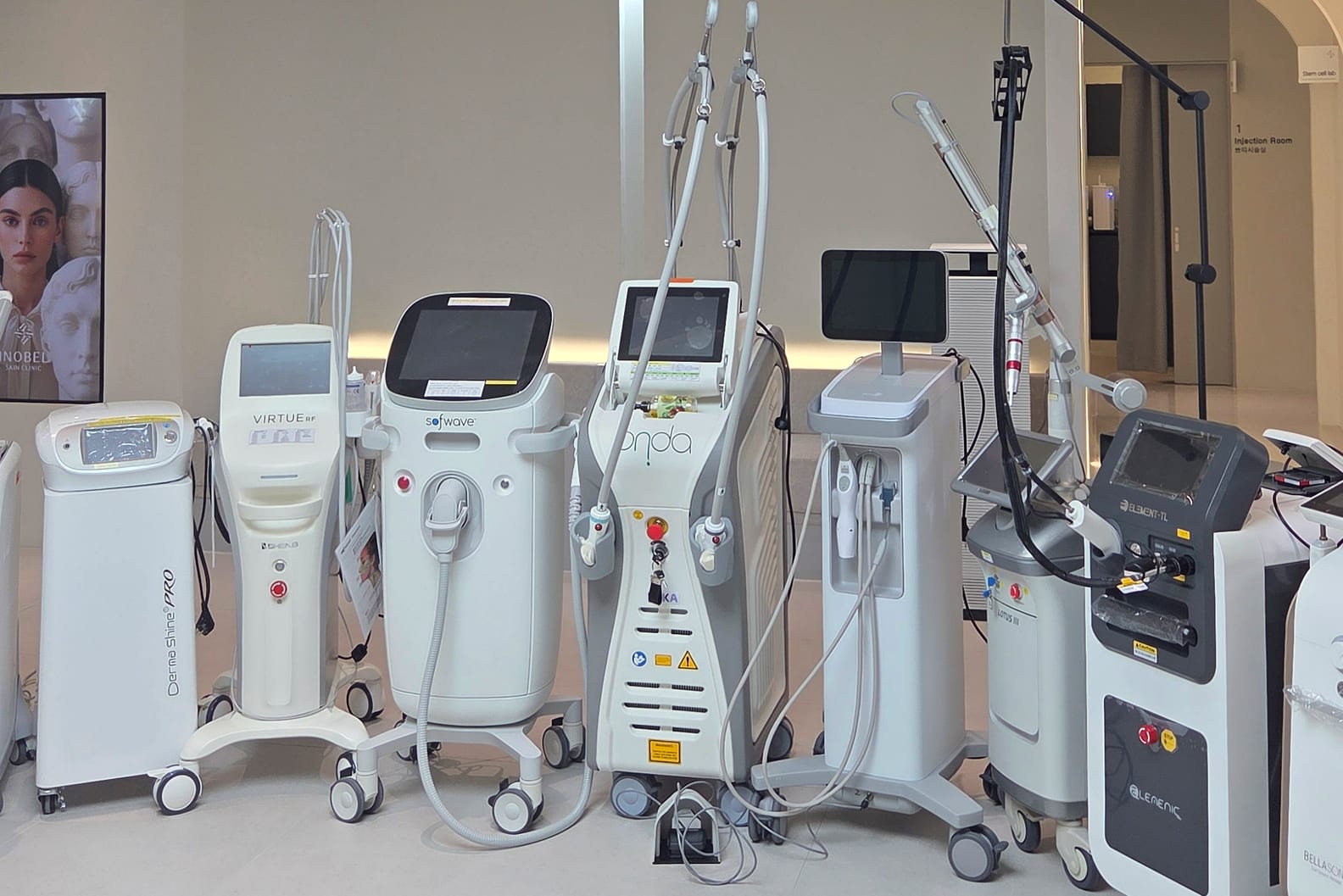
The terminology may sound unfamiliar.
Most people know this energy from microwave ovens.
It reaches water molecules in food and makes them vibrate, converting energy into heat in the process.
How can it help the skin?
Microwave energy passes through the epidermis with very little energy loss and is delivered relatively selectively to the subcutaneous fat layer, which plays an important role in firmness and support.
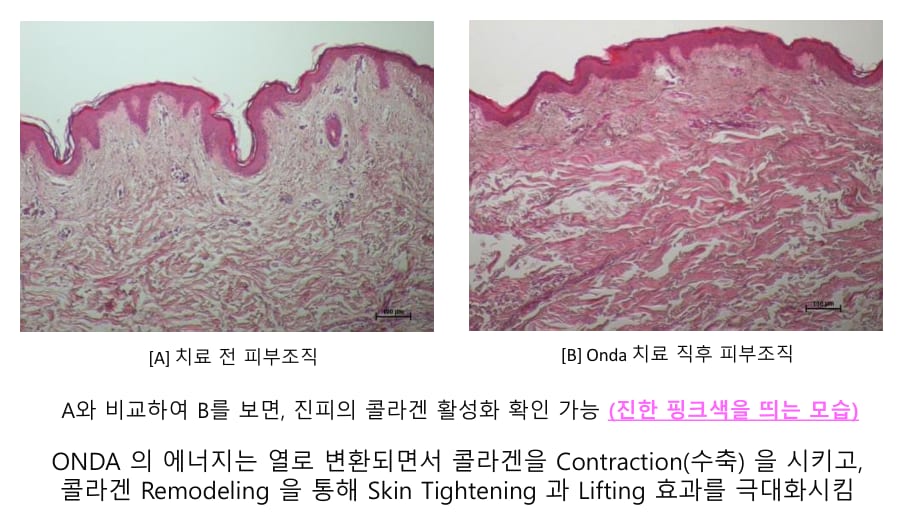
Heat stimulation in this area rapidly denatures collagen fibers, after which the body's wound-healing process begins.
As new collagen forms, gradual lifting and tightening effects may develop.
<Read more about Body Onda lifting>
Why cheek hollowing can happen
Other devices usually measure treatment in “shots.”
The number of shots delivered is used to describe treatment intensity.
Onda lifting works a little differently.
Because energy is delivered continuously, it is measured in joules rather than shots.
Put simply, joules (J) measure the total amount of energy delivered to the face.
General guidelines include:
- Around 60kJ: very little facial fat and thin skin.
- 80–100kJ: moderate cheek fat and sagging.
- 100kJ or more: a fuller double chin and thick skin.
However, these are general reference points, nothing more.
Onda can affect the subcutaneous fat layer.
If the total energy is not carefully distributed according to the amount of fat and the area being treated, unwanted hollowing may occur.
Here is a simple way to picture it.
Imagine delivering energy intended to reduce fat to an area that already has very little fat.
Reducing an already limited amount of volume can make that area look thinner.
This is also how cheek hollowing can develop.
It does not happen to everyone.
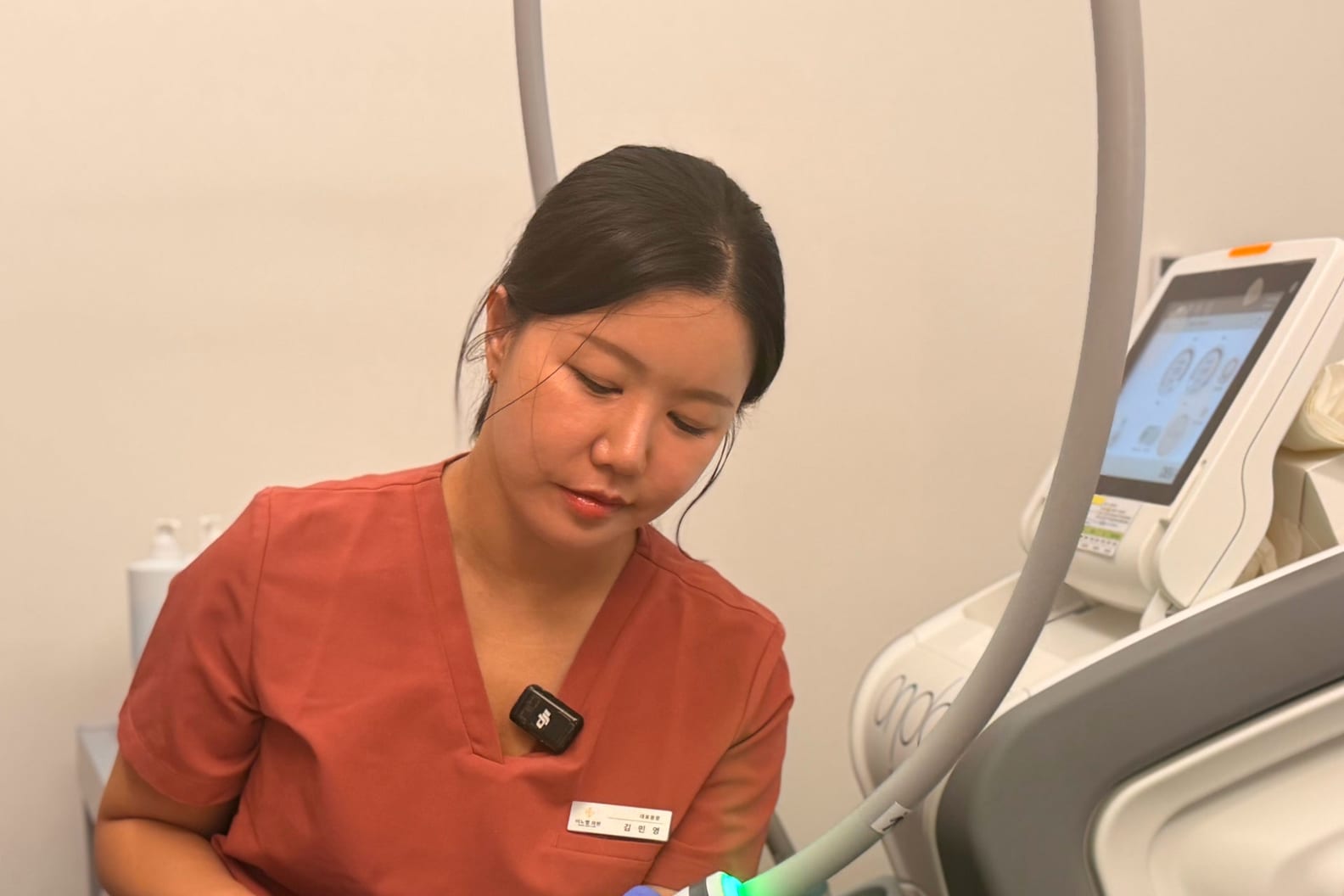
However, if your cheeks already have little fat and the area beneath your cheekbones is thin, treatment without sufficient attention to this can leave the back of the cheeks looking hollow.
An important point is that we cannot readily expect that lost fullness to return naturally with time.
That is why I place more emphasis on where energy is delivered and how much goes to each area than on the total amount alone.
This is also central to reducing the risk of hollow cheeks.
<Common questions asked during Onda lifting consultations>
How can the risk of hollow cheeks be reduced?
To build on that explanation:
The central point is simple.
Energy needs to be delivered appropriately, rather than simply in a larger amount.
The starting point is how much fat your face currently has.
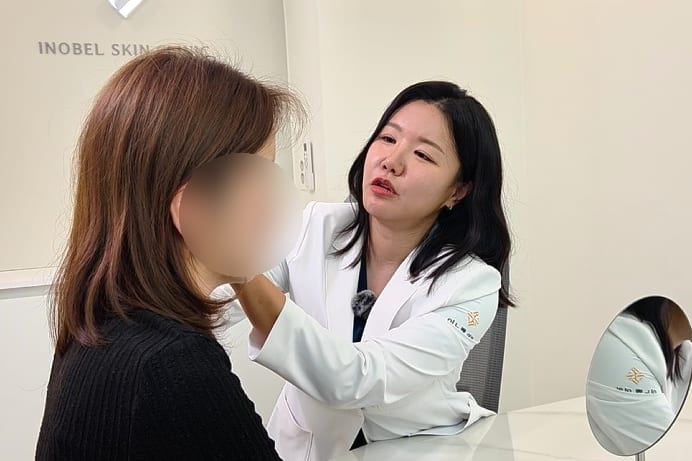
Is the area beneath your cheekbones naturally thin? Has dieting already reduced your facial volume? Does your facial shape make hollowing more noticeable when you smile?
Applying a fixed energy level to all patients without first assessing these factors can carry risks.
For that reason, I may:
- ✔ Lower the total energy for people with little cheek fat.
- ✔ Leave out areas that may be prone to hollowing.
- ✔ Focus energy mainly on the double chin and jawline.
I do not apply the general guideline in the same way to every face.
Another important step is to be clear about the purpose of treatment.
The energy plan should differ depending on whether the goal is refining contours, reducing fat, or improving firmness.
Skipping this step makes it difficult to plan for benefits while limiting the risk of hollowing.
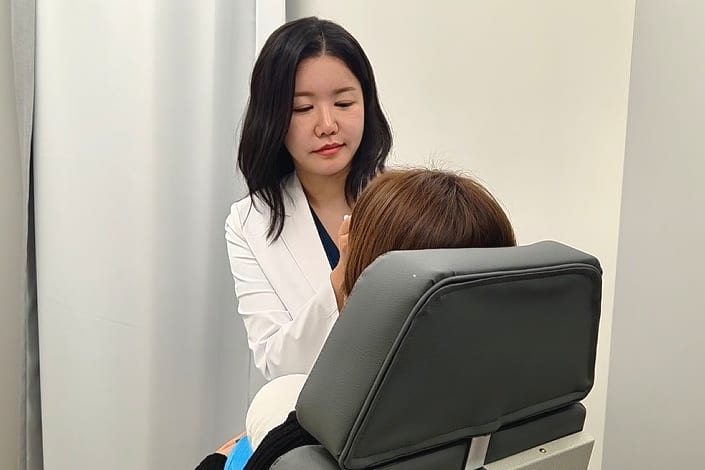
With Onda lifting, differences in results often come down to how treatment is planned, rather than the device alone.
In other words, reducing the risk of hollow cheeks means carefully assessing facial structure and adjusting the energy accordingly.
That is why I spend as much time on the consultation as on treatment.
What about hollow cheeks after Onda lifting?
Rather than the device itself, the more likely cause is uniform energy applied without considering fat thickness and facial structure.
People with little cheek fat and thin areas beneath the cheekbones need an especially careful approach.
More treatment does not automatically mean better lifting.
An appropriate approach is important for a good result.
I hope these points help reduce the chance of a result that falls short of your expectations.
This was Dr. Kim Min Young, Medical Director of INOBEL CLINIC.
< Related reading >
<INOBEL CLINIC notice> | ||
To give each patient careful attention, we see patients by appointment only. This means an appointment may not be available right away, and we appreciate your understanding. We would like to help as many people as we can, but for the quality of consultation and treatment we made this decision with care. Thank you for understanding. |
Mon–Fri 10:00 - 20:00 Lunch break 14:00 - 15:00 Saturday 10:00 - 16:00 Sunday 10:00 - 16:00 | ||
02-6958-5882 |