
“I've had many treatments before, but honestly, I can hardly tell the difference.”
I sometimes hear this at our skin clinic near Gangnam-gu Office Station.
These are people who have tried many procedures said to help scars but have not noticed much improvement.
They have invested time and money, yet still feel troubled every time they look in the mirror and worry that their scars might always look this way.
I, too, went through a difficult time with acne and scarring.
So I understand how discouraging this can feel.
Today, I would like to share two things to look for when choosing a clinic for scar treatment.
If you do not know where to turn, I hope this article helps.
It will not take long: about 3 minutes.
Scars come in different forms
Even when scars look like similar indentations, their shape and depth can call for very different treatments.
That is because the underlying skin structure differs.
If you have researched scars before, you may already know that they fall into several types.
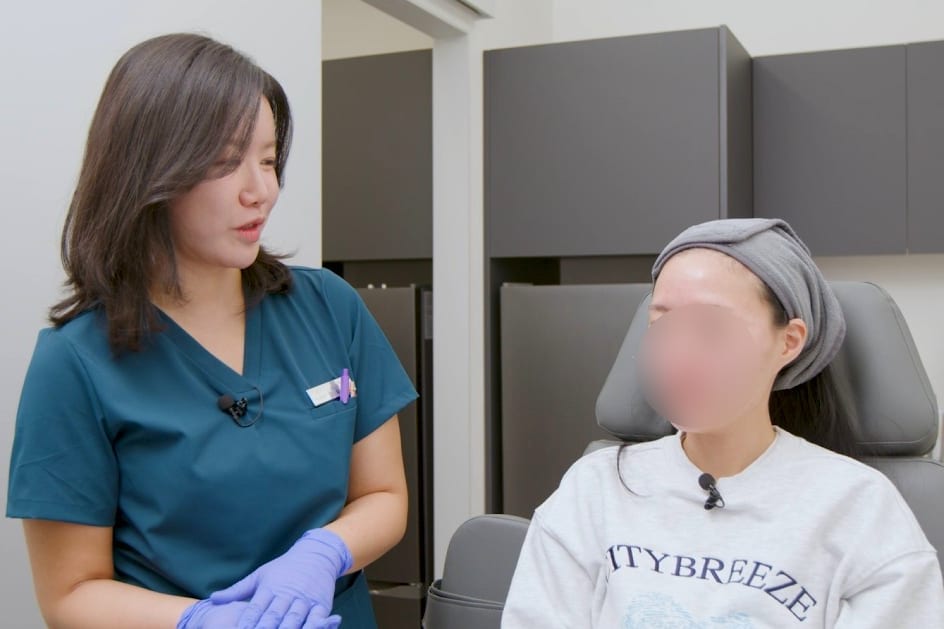
Examples include rounded or rolling scars, boxcar scars, enlarged-pore scars and keloid scars.
✔️ Rolling scars are broad, rounded depressions with gently sloping edges, often seen on the cheeks or along the jawline.
✔️ Boxcar scars are deep indentations with sharply angled edges, often appearing after repeated skin damage.
✔️ Keloid scars rise above the skin as fibrous tissue in the dermis grows excessively.
✔️ Enlarged-pore scars are related to acne: the affected area becomes attached to tissue beneath it, leaving an enlarged pore.
Looking at these types individually makes their differences clear.
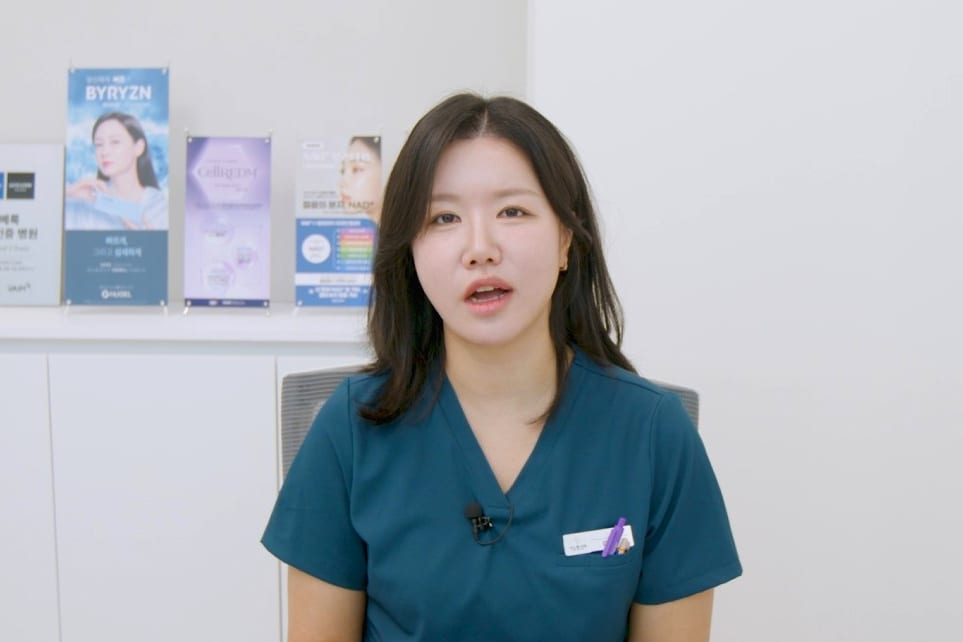
An approach that assigns the same treatment to every scar therefore has limitations.
This may help explain why previous treatment was not satisfying.
<Want to learn more about scar treatment methods?>
A range of treatment devices
Even similar-looking scars differ in shape and condition from person to person, so treatment plans need to be individualized.
Having a range of devices helps make that possible.
A limited set of devices narrows the available treatment options and may make the desired outcome harder to achieve.
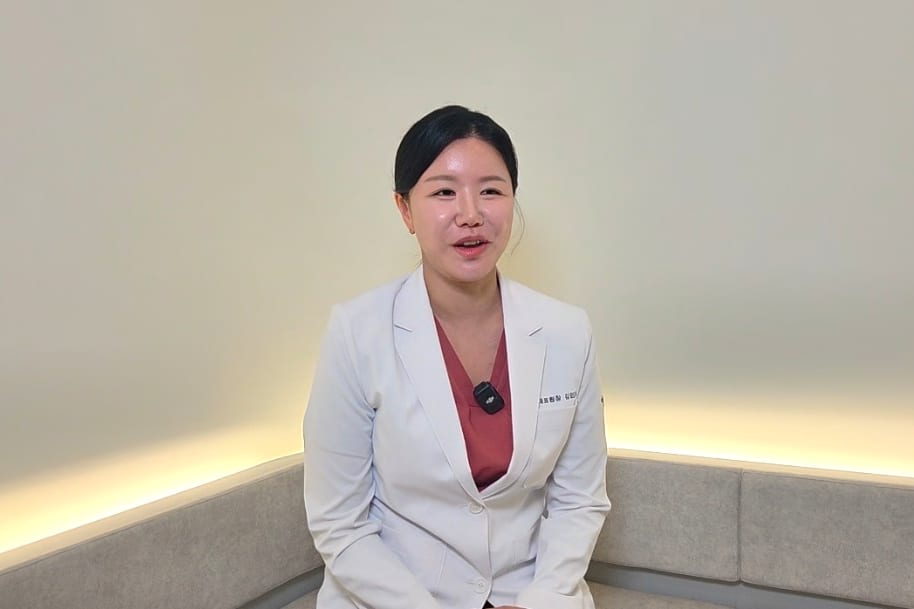
I recognize the importance of equipment, which is why I keep an open mind about introducing new devices.
Devices we commonly use include Fotona StarWalker, PicoSure, an erbium fractional laser and Trifill Pro.
Fotona StarWalker uses two wavelengths to deliver energy into deeper skin layers, helping address several concerns together, including pigmentation, pores and depressed scars.
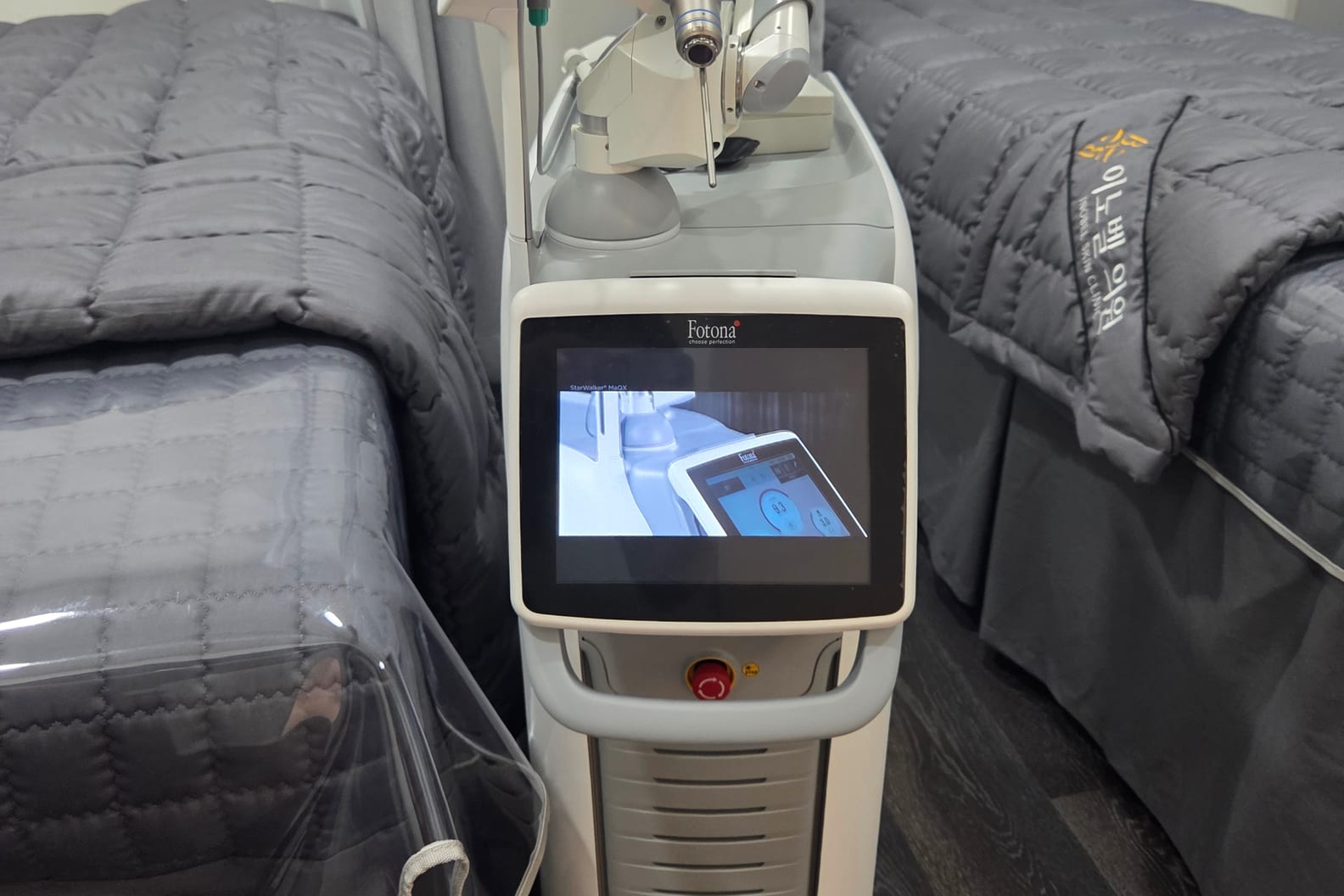
PicoSure delivers energy in extremely short picosecond pulses to break down scar tissue on a microscopic scale while encouraging skin regeneration.
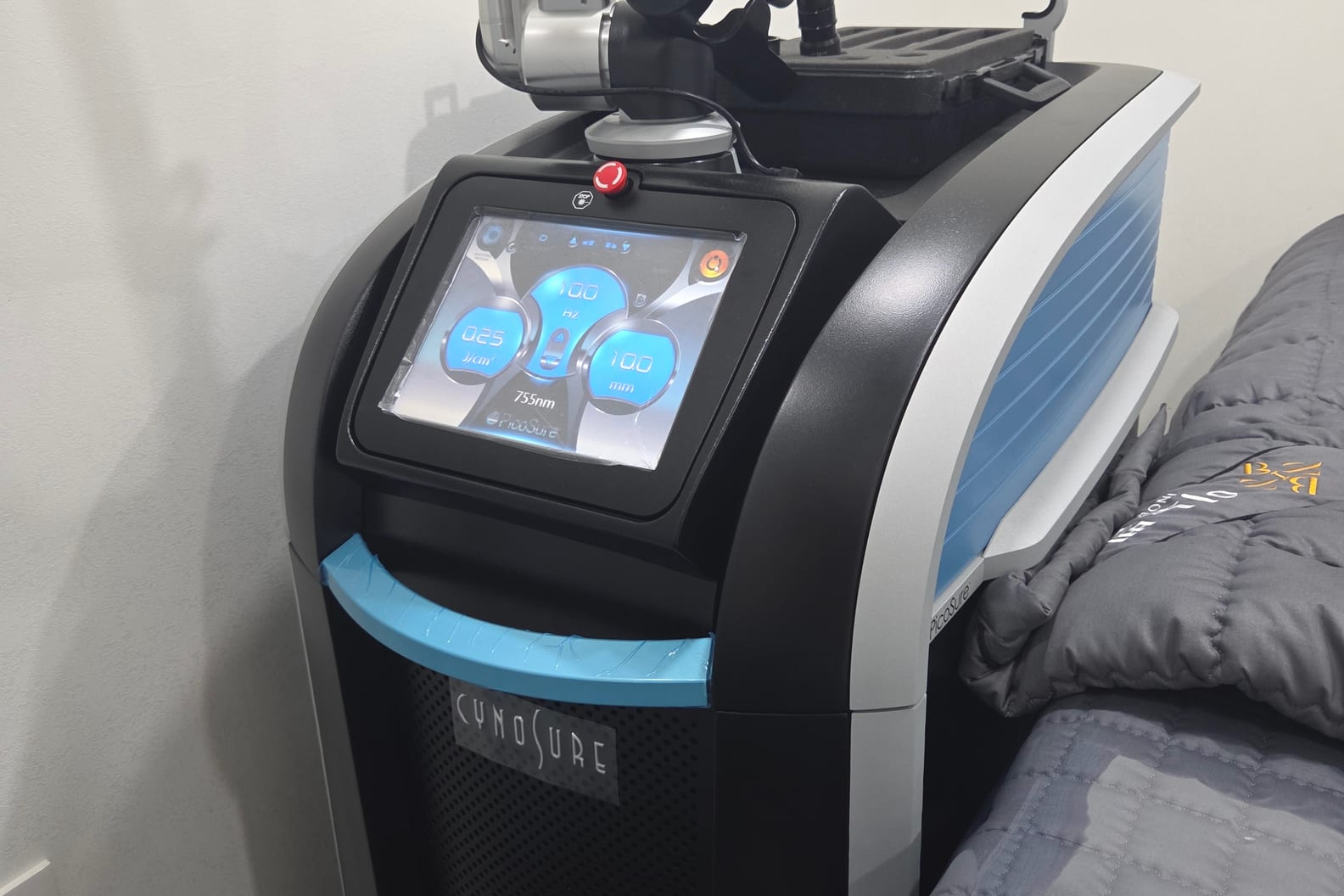
An erbium fractional laser is a basic treatment device that uses finely targeted heat to remove damaged tissue and encourage new skin formation, helping smooth uneven texture.
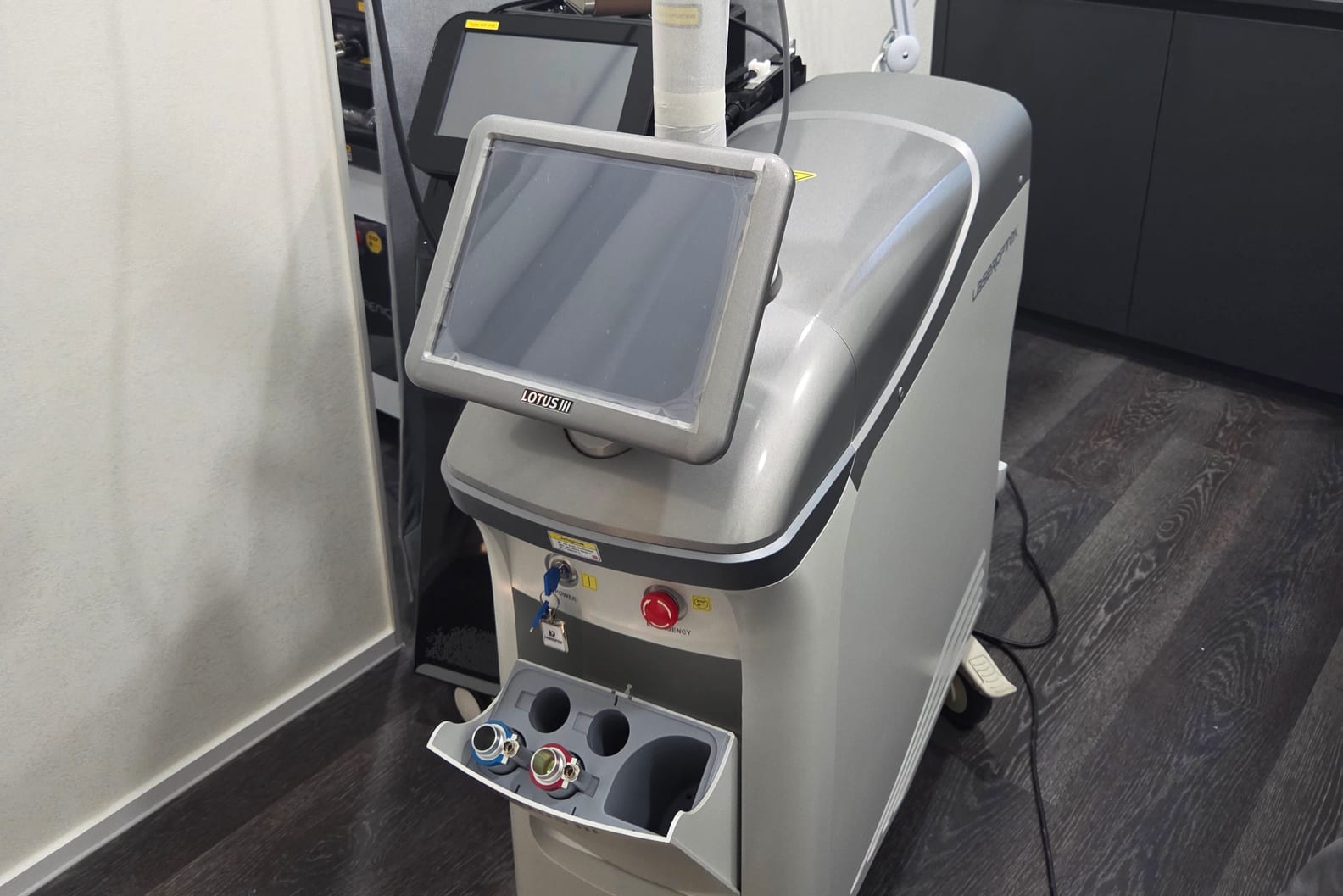
Finally, Trifill Pro, which I use actively in my practice, combines fine needles and CO2 pressure to release tightly tethered tissue and deliver ingredients that support collagen regeneration. This can help improve the treatment response.
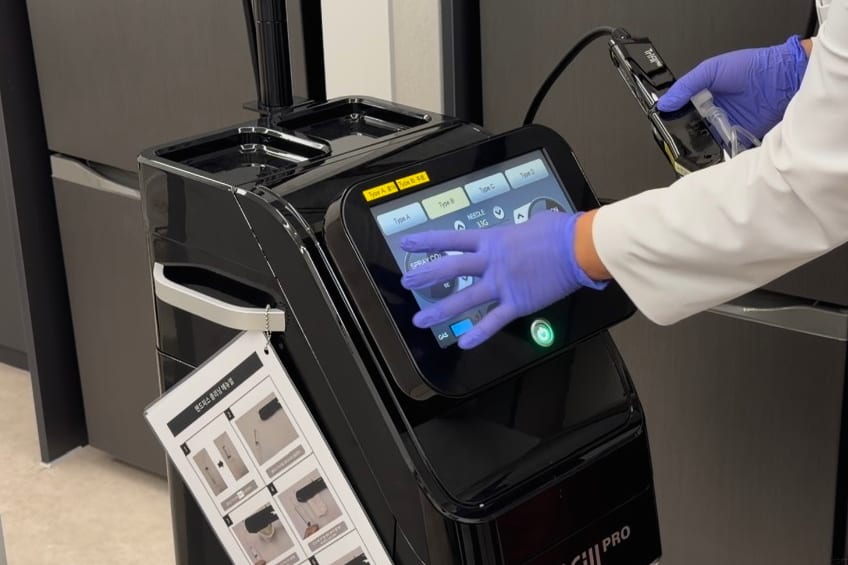
Access to a variety of devices is therefore one consideration when choosing a scar treatment clinic.
The key is to select tools flexibly for the condition and scar type, rather than expecting a single device to address everything.
<For those who want to know more about Trifill Pro>
Attention to recovery beneath the surface
Scars are not always limited to the surface of the skin. The problem often begins in deeper structures.
- Treating only the visible marks
- may therefore be insufficient for meaningful improvement.
For example, trying to address post-acne pigmentation or indentations with brightening lasers or peels alone may be counterproductive.
Redness may worsen, and sensitive skin may become more irritated.
When I see these cases, I look beyond the visible marks.
I combine Trifill Pro with skin boosters to also support collagen regeneration in deeper layers.
In particular, I often use CellREDM or Re2O, sometimes described as fifth-generation skin boosters.
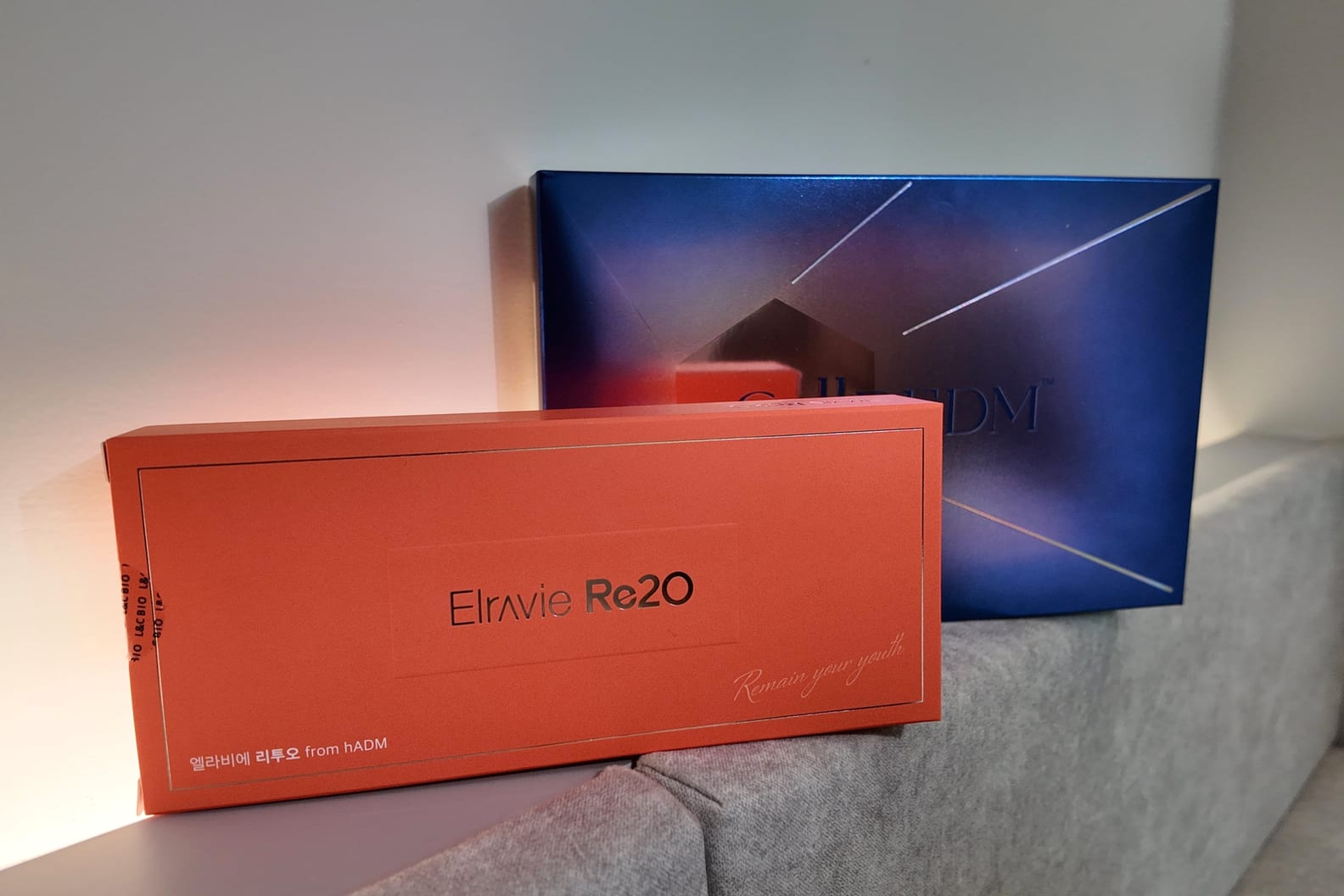
While earlier skin boosters focused largely on adding moisture or nutrients, these products differ in that they deliver extracellular matrix (ECM) components that form part of the dermis.
They may help support the weakened skin structure beneath a scar and create a foundation for regeneration.
By addressing structural concerns as well, this approach may allow depressed areas to gradually become shallower over time.
An approach focused only on the surface has limitations.
Examining and caring for the structure beneath the skin is another important consideration in scar treatment.
<Want to learn more about the effects of Re2O?>
Applying the same assembly-line treatment regardless of scar type has limitations.
If you have not noticed much improvement with previous treatment, it is worth considering whether the approach was suited to your scars.
That is why I consistently emphasize individualized treatment.
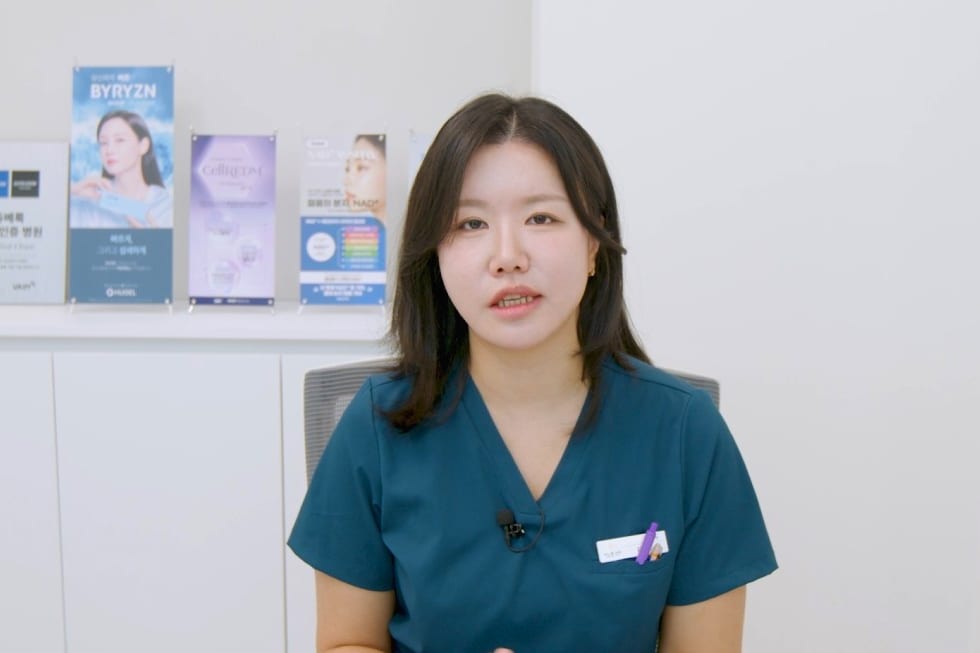
A satisfying outcome calls for assessing each person's condition and scar type and addressing both the surface and underlying skin together.
Some people feel upset whenever they look in the mirror and have given up because they think their scars cannot be changed.
Consider giving treatment another chance, keeping the two features discussed today in mind.
The outcome may be different from your previous experience.
This was Dr. Kim Min Young, Medical Director of INOBEL CLINIC.
< Related reading >
<INOBEL CLINIC notice> | ||
To give each patient careful attention, we see patients by appointment only. This means an appointment may not be available right away, and we appreciate your understanding. We would like to help as many people as we can, but for the quality of consultation and treatment we made this decision with care. Thank you for understanding. |
Mon–Fri 10:00 - 20:00 Lunch break 14:00 - 15:00 Saturday 10:00 - 16:00 Sunday 10:00 - 16:00 | ||
02-6958-5882 |