
Hello, I'm Dr. Kim Min Young, Medical Director of INOBEL CLINIC.
“I have had more than ten sessions.
But it still looks like this.”
Men often begin consultations about Avalanche hair removal with these words.
I treat many people each year, and my impression is that men are more likely than women to arrive with an experience they consider a failed treatment.
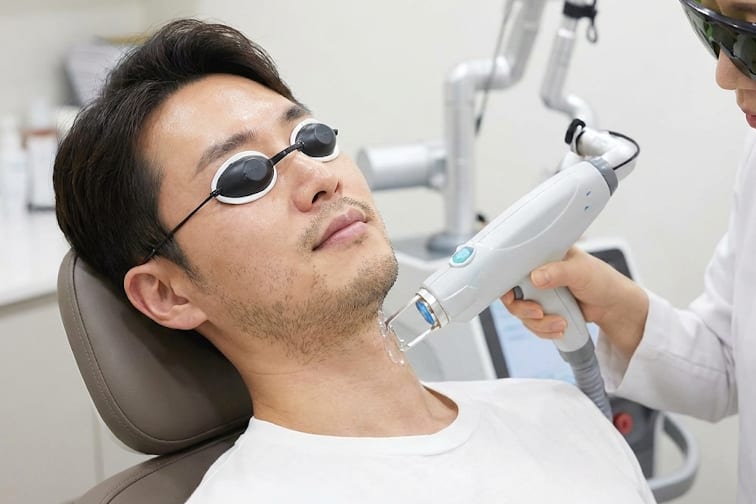
That is why some people are initially wary even when I explain Avalanche.
“What if it does not work again?”
“Will I just end up spending money
with nothing to show for it?”
These concerns are entirely understandable.
If you have had several treatments without seeing a change, this article may help explain why.
Today I will look at possible reasons for disappointing results and why I still discuss Avalanche hair removal as an option.
Why is beard hair difficult to remove?
Beard hair is characteristically thick, dark, and rooted deep in the skin.
Hair elsewhere can share some of these features, but beard hair generally has all three to a marked degree.
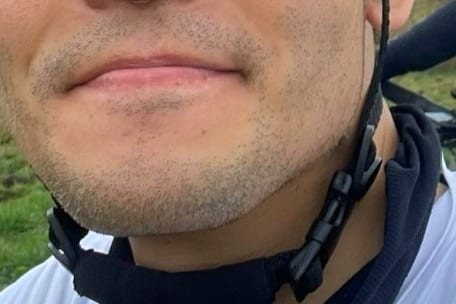
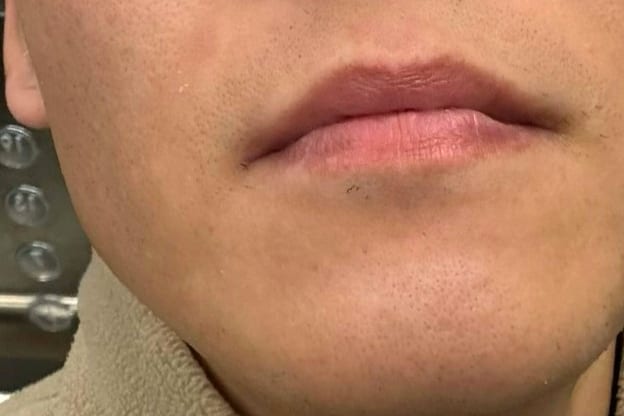
This is because beard hair is strongly influenced by male hormones.
Its follicles are correspondingly resilient.
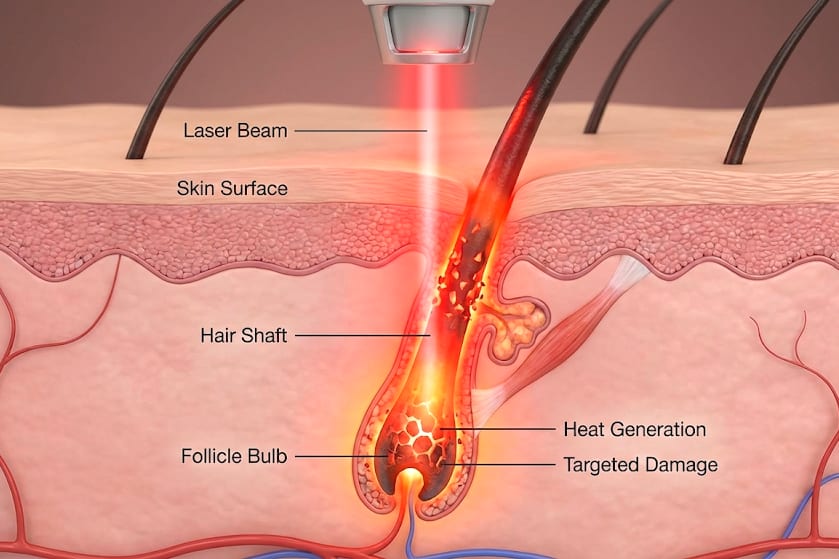
Laser hair removal does not eliminate follicles in a single session. It uses heat to weaken them through repeated treatment.
However, when follicles are deep, hair is thick, and hormonal stimulation continues, insufficient energy may leave follicles responding as though they were saying:
“That was a bit of stimulation.
Perhaps I will just slow down growth for a while.”
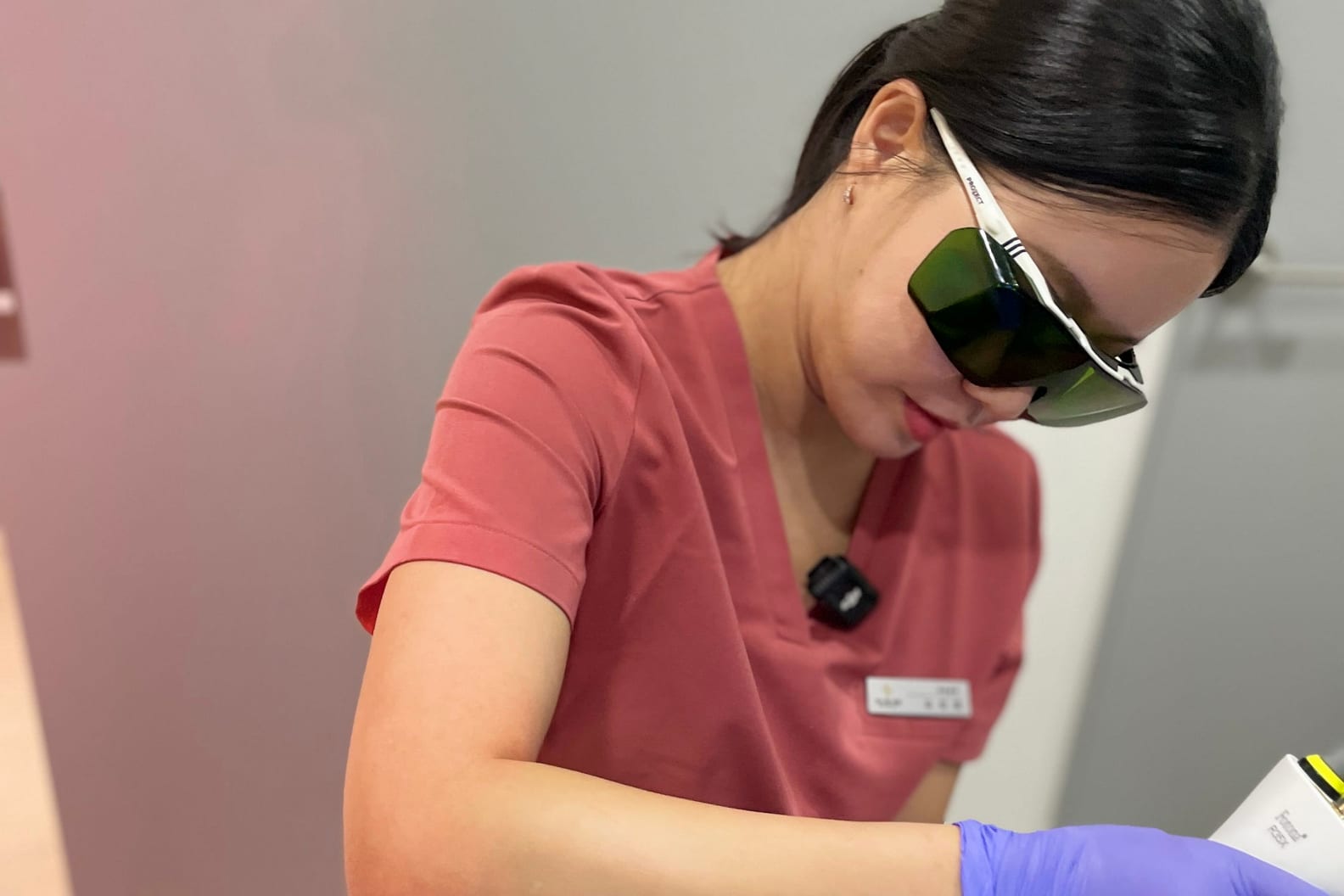
The hair may temporarily become finer or grow more slowly, while the follicle itself remains functional.
It can therefore seem reduced at first, only to return in much the same way over time.
This is one reason beard hair can be difficult to remove.
<Concerned about acne scars? Read more here>
Consider the device's capabilities carefully
“Does the equipment really matter for hair removal?”
More people than you might expect give this little thought.
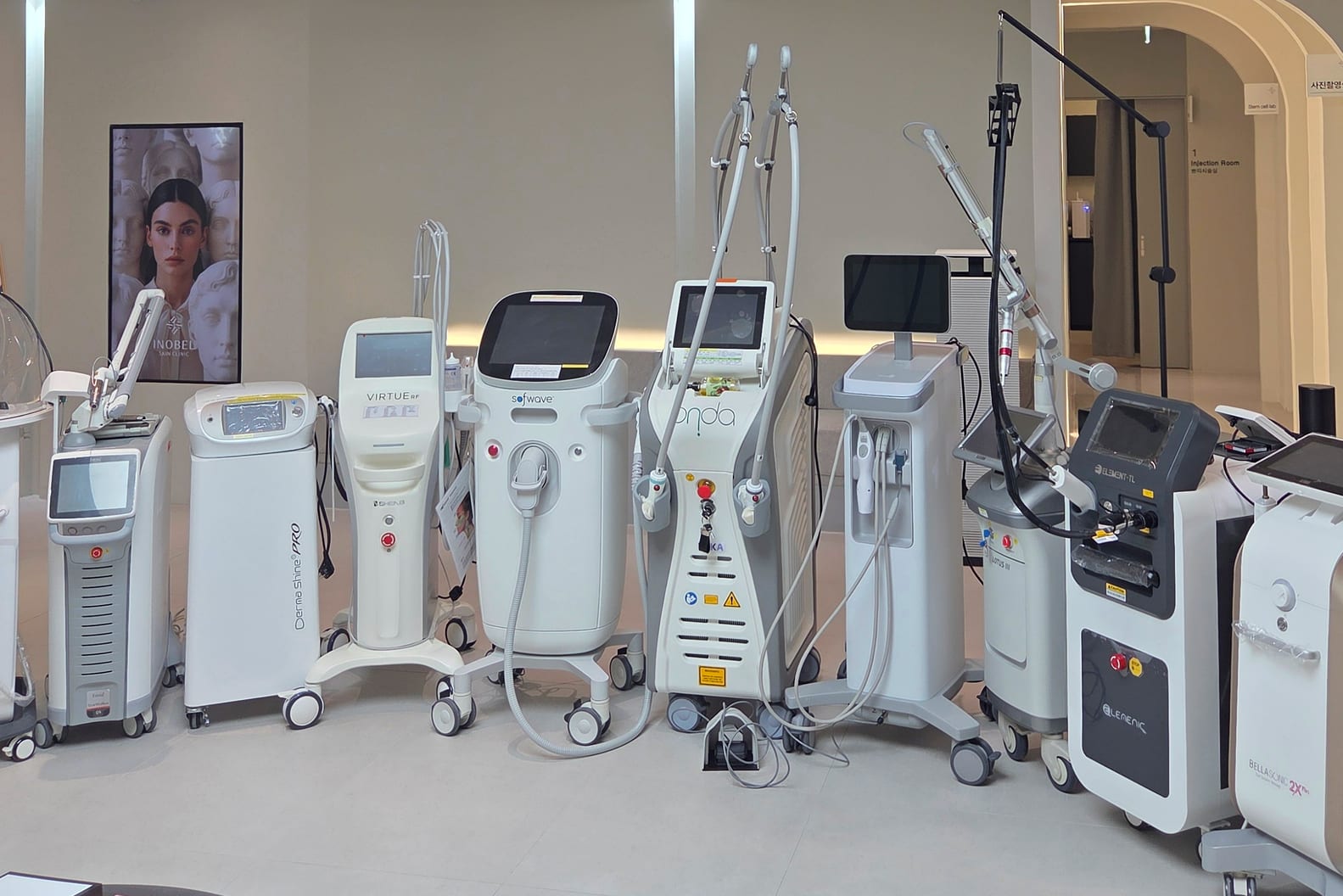
What I can say is this:
Hair removal is a procedure
in which the equipment used
can make a substantial difference to the result.
So what should you look for in a device?
Let us start with a paper.
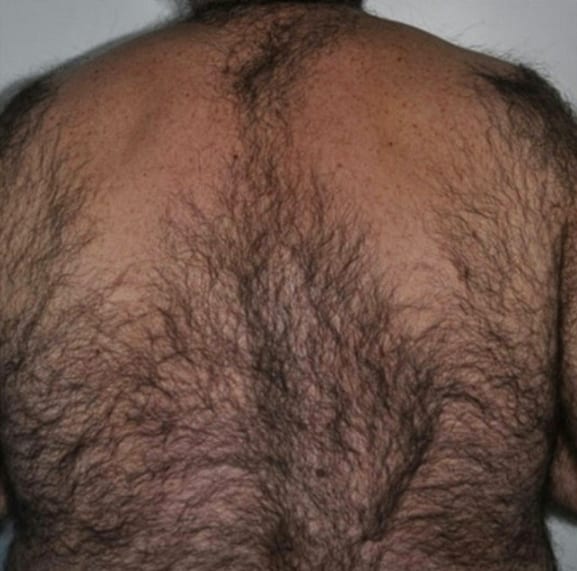
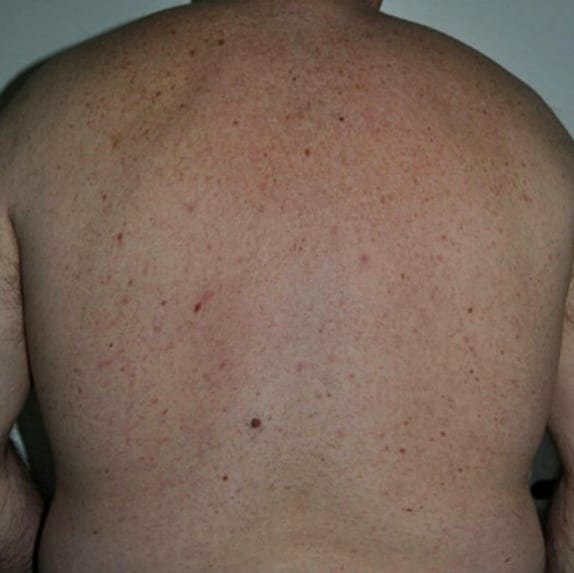
This study sequentially applied devices using three wavelengths: Nd:YAG (1064nm), diode (808–810nm), and alexandrite (755nm).
It found a significant reduction in hair at the 6-month mark.
The paper's conclusion is that
using multiple wavelengths
can address a wider range of hair colors,
thicknesses, and follicle depths.
Even within one area of a beard, some follicles sit deep while others are relatively shallow, and hair thickness varies too.
To address these different characteristics, a device that uses multiple wavelengths can be useful, as discussed in the paper.
<Curious about Onda lifting? Read more here>
Why I chose Avalanche for hair removal
The ability to use different laser wavelengths is also why I chose Avalanche.
Avalanche differs somewhat from other devices.
It is designed specifically for hair removal, rather than as a general pigmentation laser.
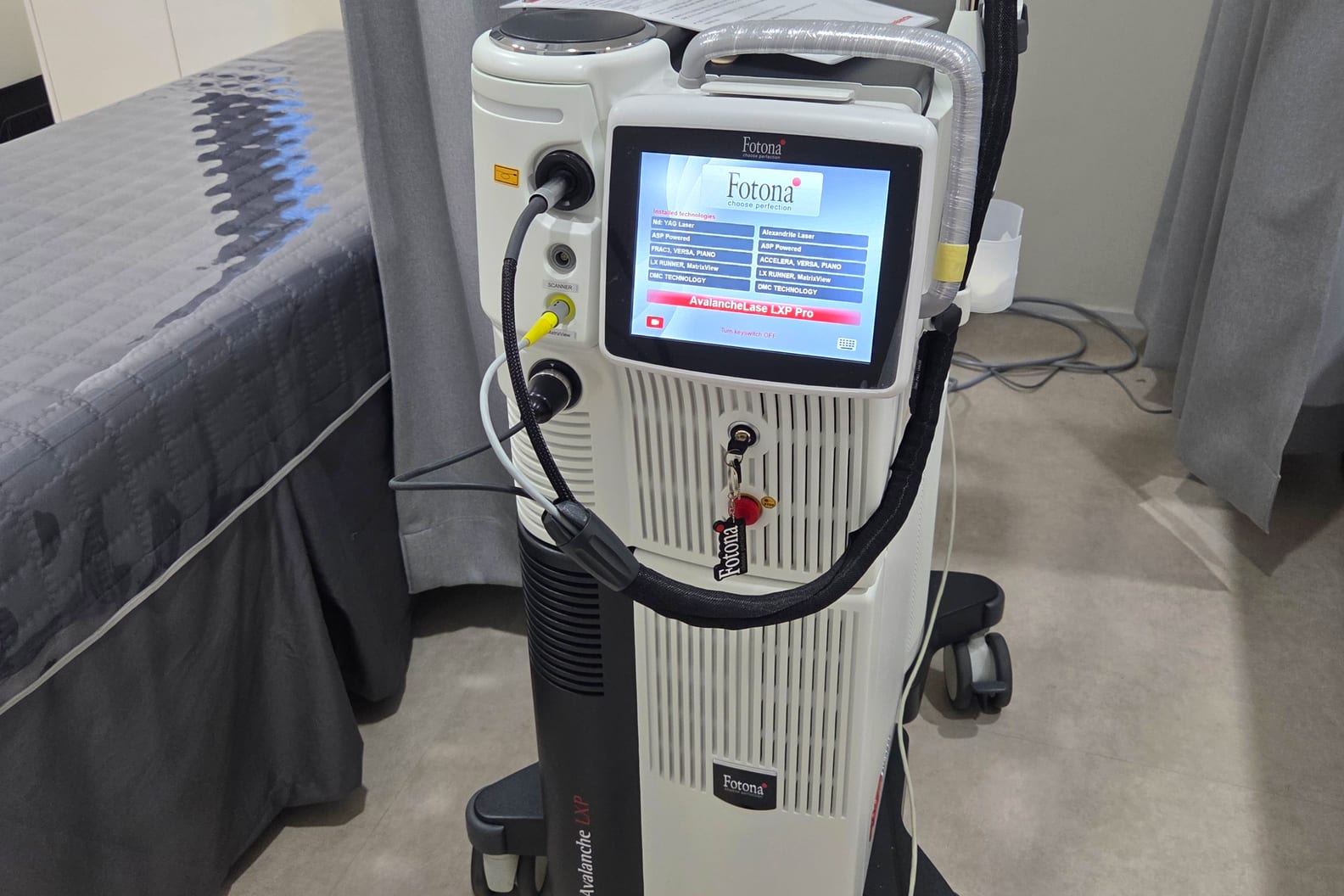
A key feature of this device
is its ability to use
two wavelengths simultaneously.
The 755nm alexandrite wavelength targets relatively shallow follicles,
while the 1064nm Nd:YAG wavelength can reach deeper follicles.
This is why it is considered potentially useful for particularly coarse beard hair.
On sensitive facial skin, excessively intense laser exposure can carry risks such as burns.
However, settings that are too weak may produce little effect.
Avalanche's DMC cooling system continuously helps protect the skin surface, supporting controlled laser delivery while helping reduce the risk of burns.
It also incorporates MatrixView sensor technology to monitor energy distribution in real time and help deliver it evenly.
This can help prevent patchy results, where one area responds well but hair remains elsewhere.
If several attempts have left you dissatisfied, Avalanche hair removal is an option you could consider.
There is one point I would like to emphasize, however.
Expecting to finish after just a few sessions can make it difficult to achieve a satisfying result.

Hair repeatedly passes through growth (anagen), transition (catagen), and resting (telogen) phases, and laser treatment works only on hair in the growth phase.
To work with this cycle,
you need repeated sessions,
often more than you might expect.
Understanding these points and planning carefully is very important if you want to avoid another disappointing experience.
This was Dr. Kim Min Young, Medical Director of INOBEL CLINIC.
< Related reading >
<INOBEL CLINIC notice> | ||
To give each patient careful attention, we see patients by appointment only. This means an appointment may not be available right away, and we appreciate your understanding. We would like to help as many people as we can, but for the quality of consultation and treatment we made this decision with care. Thank you for understanding. |
Mon–Fri 10:00 - 20:00 Lunch break 14:00 - 15:00 Saturday 10:00 - 16:00 Sunday 10:00 - 16:00 | ||
02-6958-5882 |