
Do red marks linger after your acne settles, or are you concerned about indented scars?
Tissue damaged during inflammation often has a limited ability to recover on its own.
If treatment is delayed, scar tissue can become increasingly firm, making later treatment more challenging.
Acne scars develop when intense inflammation damages tissue in the dermis
and healing does not proceed normally, leaving a lasting change in the skin's structure.
Scar treatment therefore needs to consider both structural changes and the process of regeneration.
In this article, I will explain how acne becomes a scar and the approach we take to helping treat it at INOBEL CLINIC.
Why do scars not simply improve on their own?
People who visit us with this concern often mention similar assumptions:
I thought the marks would fade with time.
I thought it was fine because I could cover them with makeup.
Relatively superficial marks can become less noticeable with time.
But if the skin is indented or the changes remain after repeated inflammation,
the damage often involves the structure of the dermis, rather than the surface.
In these cases,
- collagen may have reorganized irregularly,
- adhesions may remain that pull the skin downward,
- and natural recovery is often insufficient even with time.
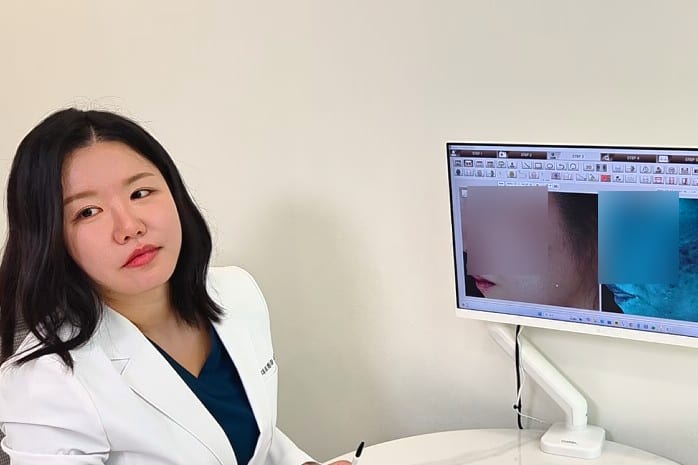
What matters in treatment is not simply how intensely the skin is stimulated, but how damaged structures are released and encouraged to regenerate.
Many people use masks, repair creams, or home remedies.
Once structural changes have occurred, however, daily skincare alone may have limitations.
< What to read before treating acne scars >
Treatment does not end after one session.
Improving scars involves gradually remodeling the damaged structure of the dermis.
Collagen and elastin destroyed during acne inflammation are unlikely to return to a normal arrangement after just one treatment.
It takes time and repeated stimulation for new collagen to form in damaged tissue and for its arrangement to stabilize.
Rather than relying on one intense procedure, we use cycles of appropriate stimulation and recovery to encourage gradual change.
During this process, treatment triggers a small inflammatory response. Collagen production then increases during recovery, followed by gradual structural changes as the tissue regenerates.
In other words, repeated cycles of stimulation → recovery → regeneration may progressively improve scar texture and depth.
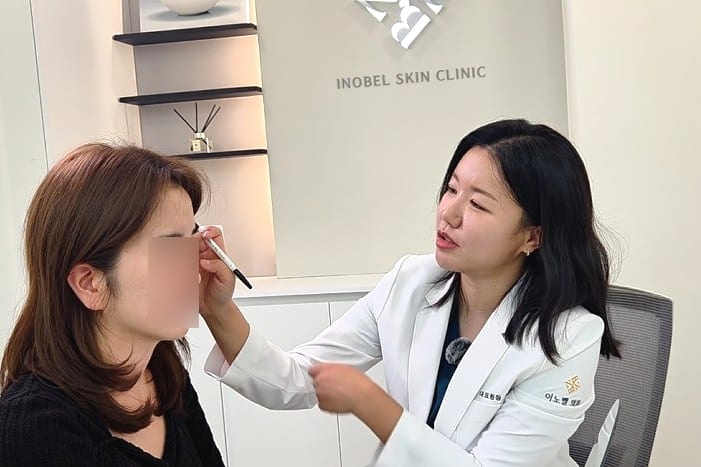
- The depth and direction of laser stimulation in the dermis
- Intervals that allow sufficient time for collagen regeneration
- Energy intensity adjusted to the skin's subsequent response
The aim is to encourage recovery and change within the skin's capacity to tolerate treatment, rather than create a temporary change through excessive stimulation.
< Concerned about acne and excess sebum? Read more >
Why we use Trifill Pro in scar treatment
At INOBEL CLINIC, we use Trifill Pro in this process when appropriate.
The device uses CO₂ gas pressure to create small separations within the tissue, then deliver skin boosters or other medications evenly into the dermal space created.
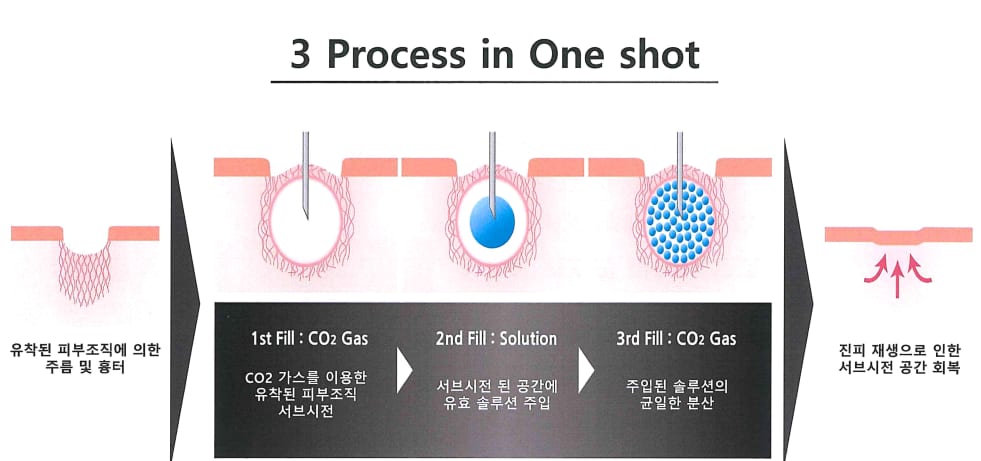
The principle involves more than putting medication into a particular area:
- Gas gently separates adherent skin layers,
- creating conditions for medication to spread widely and evenly,
with the aim of stimulating collagen regeneration.
It may therefore be considered for indented scars, deep wrinkles, or reduced firmness.

When structural repair is needed, it can be used alone or in combination with other treatments.
The automated injection process may also help reduce unnecessary pain and the risk of side effects.
< Curious about Levelon Thermage? Read more >
How we approach accompanying pigmentation or redness
In many cases, pigmentation or redness also remains alongside the scars.
Rather than treating scarring and pigment as completely separate concerns, we consider it important to assess the different aspects of the skin's overall response.
At INOBEL CLINIC, we choose devices according to the treatment goal.
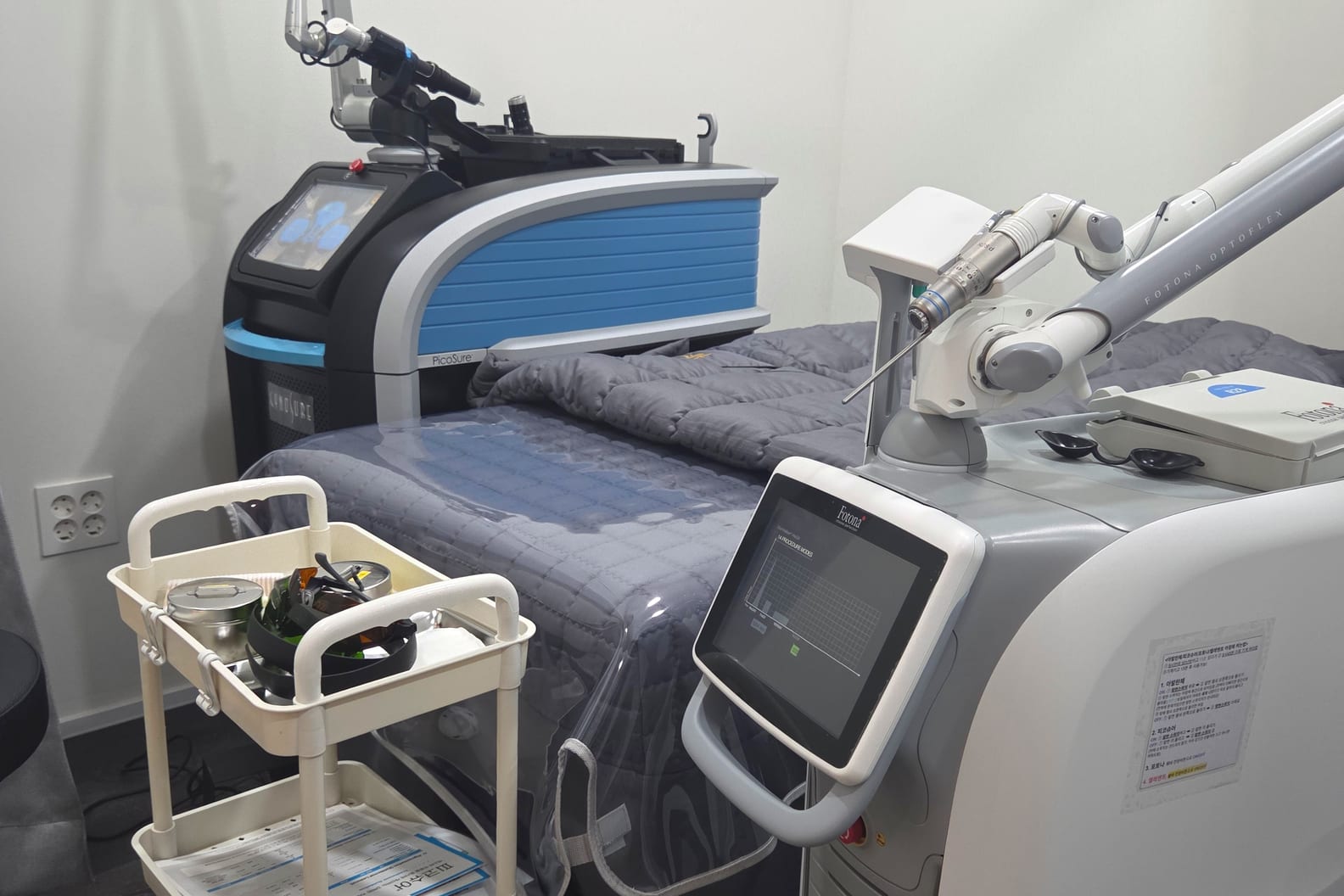
- For pigmentation and uneven tone: Fotona StarWalker
- For residual pigmentation and texture: PicoSure
Rather than starting with a comparison of devices, I believe we should first determine which responses need to be addressed in the skin's current condition.
< Curious about managing redness? Read more >
Consistent care is part of working toward improvement.
Scars and other skin concerns cannot usually be addressed in a single visit whenever time happens to allow.
Because the skin repeatedly encounters irritation and recovery in everyday life,
care also needs to be accessible on an ongoing basis.
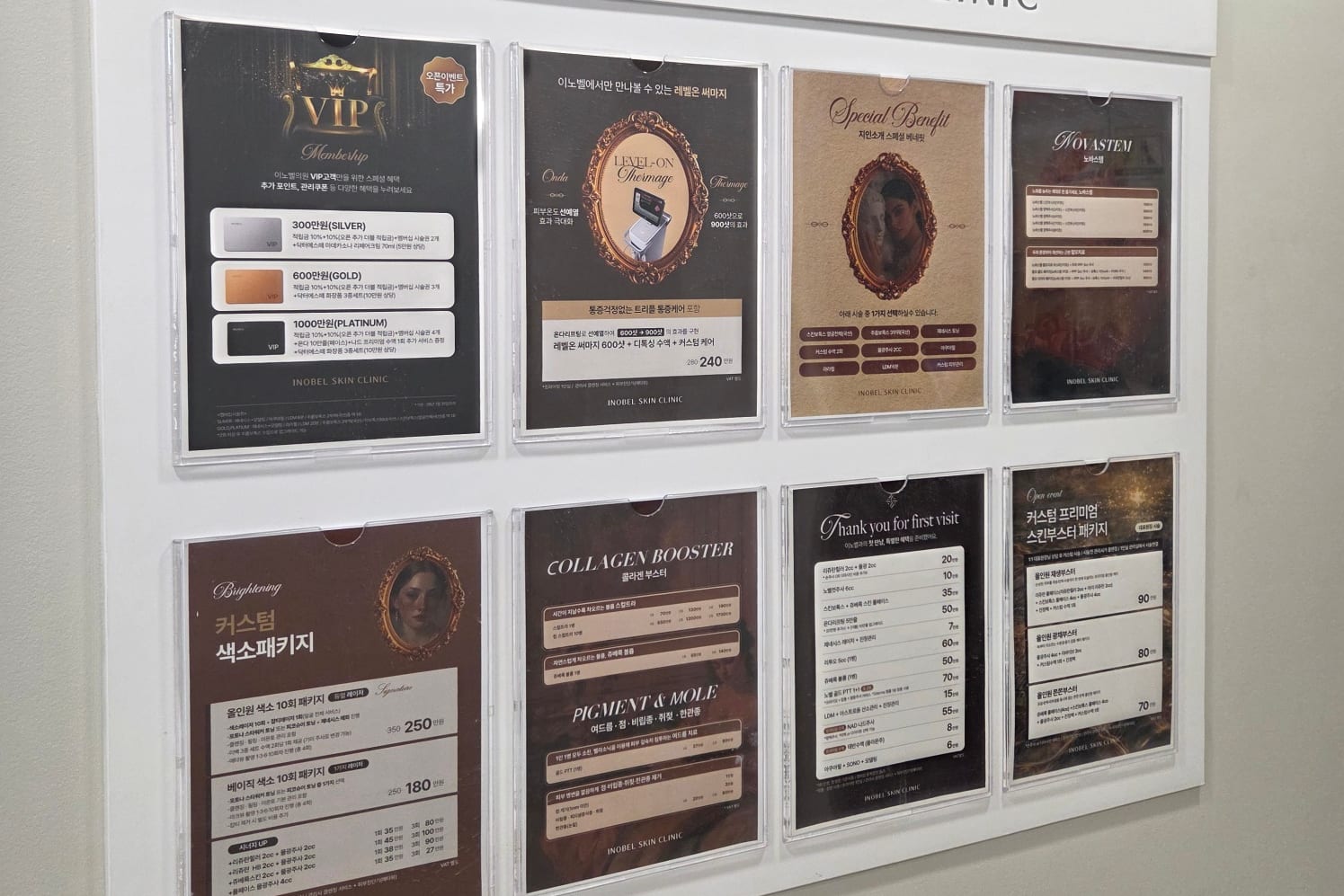
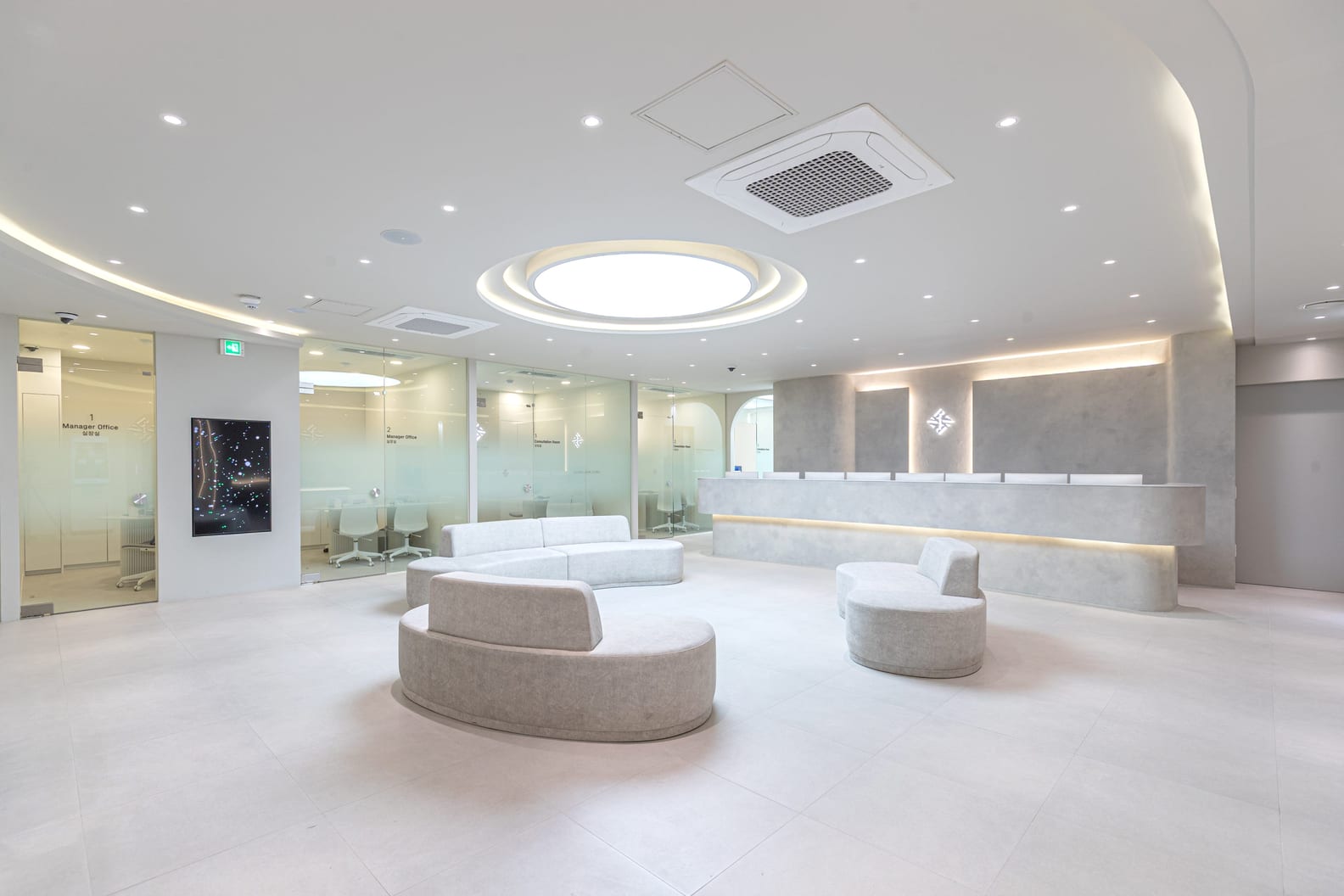
INOBEL CLINIC is open from 10:00 a.m. to 8:00 p.m. on weekdays, and from 10:00 a.m. to 4:00 p.m. on Saturdays and Sundays, with no lunch break on weekends.
Weekend appointments are an important part of helping people who cannot visit during the week maintain continuity in their treatment.
I also struggled with my skin and acne when I was younger, which naturally drew my interest to skin care.
Perhaps for that reason, I try to understand closely how people feel when scars trouble them.
My focus is on a process that aims to reduce the likelihood of returning to the same concerns, rather than only producing a quick visible change.
I hope this article offers a useful point of reference for anyone who needs that kind of ongoing care.
< Related reading >
<INOBEL CLINIC notice> | ||
To give each patient careful attention, we see patients by appointment only. This means an appointment may not be available right away, and we appreciate your understanding. We would like to help as many people as we can, but for the quality of consultation and treatment we made this decision with care. Thank you for understanding. |
Mon–Fri 10:00 - 20:00 Lunch break 14:00 - 15:00 Saturday 10:00 - 16:00 Sunday 10:00 - 16:00 | ||
02-6958-5882 |