
You may wash your face in the morning only to find it oily again by lunchtime, with acne that is slow to settle.
If you are looking for a skin clinic near Samseong Station that will understand and manage your condition beyond a temporary fix, this article may help.
Many people reading this are probably less concerned with removing one visible blemish than with understanding
why breakouts keep returning to the same areas and how excessive sebum production can be reduced.
When your skin seems to improve briefly, then breaks out again as soon as care slips—or becomes more sensitive the more you treat it—it is natural to wonder where things went wrong.
Today, rather than simply listing the causes of acne, I will explain how to manage it alongside excess sebum
and how treatment can help support more stable skin over the longer term.
< A brief introduction to my approach to care >
Sebum is a key part of the acne picture
Acne is often associated with inflammation alone, but it develops through a combination of sebum production, conditions within the pores, and inflammatory responses.
Excess sebum can readily clog pores and disrupt the skin's surface balance, increasing the likelihood of inflammatory acne.

A common difficulty is trying to address only visible blemishes through extraction, harsh cleansing, or irritating home treatments.
These approaches may bring temporary improvement, but they can also weaken the skin barrier and sometimes encourage further sebum production.
Rather than addressing visible symptoms alone, it is important to understand the main causes and build a systematic treatment and care plan around them.
Why basic care may have limits—and the approach needs to change
Home remedies, home skincare, or care centered on extraction alone can make it difficult to keep the condition stable.
Acne treatment needs to address sebum while also supporting an environment in which the skin can recover.
At INOBEL CLINIC, we therefore combine methods according to the condition rather than relying on a single procedure.
Across more than 60,000 skin cases, I have personally managed approximately 6,000 or more cases involving acne and scars.
That experience has taught me that the approach needs to vary with sebum patterns, the degree of inflammation, and skin sensitivity.
Depending on the case, we combine the following methods to suit the skin's needs:
- Gold PTT: considers both the sebaceous glands and the environment associated with acne-causing bacteria.
- Prescription medication: oral or topical treatment to regulate sebum and ease inflammation.
- Peeling: addresses dead skin buildup and conditions in the pores to help sebum flow out.
- Acne injections: an additional method that may help active inflammation settle more quickly.
- Skin scaling (deep cleansing): removes excess sebum and debris to help restore balance.
This does not mean using every method in every case. We select only the steps needed for the current condition.
Why aftercare matters and what can help
Aftercare is just as important as the procedure when treating acne and excess sebum.
Even after an appropriate treatment, sebum can quickly increase or acne can recur if the skin's environment becomes unsettled again.
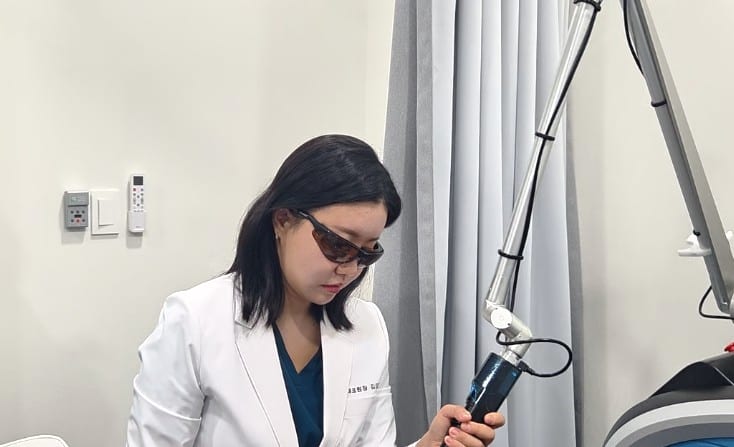
Immediately after these treatments, the skin may be temporarily sensitive and entering a period of recovery.
Care during this period can influence how long the benefits last.
Start with a gentle cleanser that respects the skin barrier, rather than an irritating product.
Over-cleansing or washing too frequently may stimulate more sebum production, so moderation matters.
Moisturizing is important regardless of skin type.
Dehydrated skin may produce more sebum in response, so consistent moisturizing can help, even with a lightweight product.
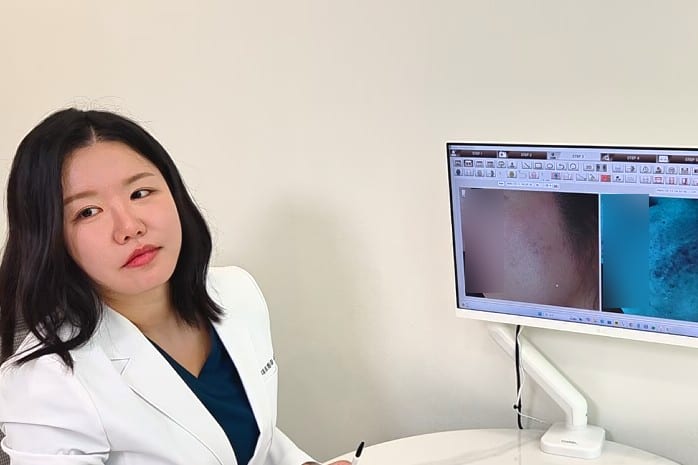
It is also advisable to avoid exfoliating products and irritating home-use devices for a while, allowing sufficient time for the skin to settle.
When needed, medication or topical ointments chosen with sebum production and inflammation in mind may be helpful alongside other care.
Acne treatment does not end with a single procedure. Continuing treatment and aftercare together may help keep the skin more stable.
Care informed by an understanding of the same concerns
My own skin was in poor condition when I was younger.
Acne was a particular struggle,
and that naturally sparked my interest in skin care.
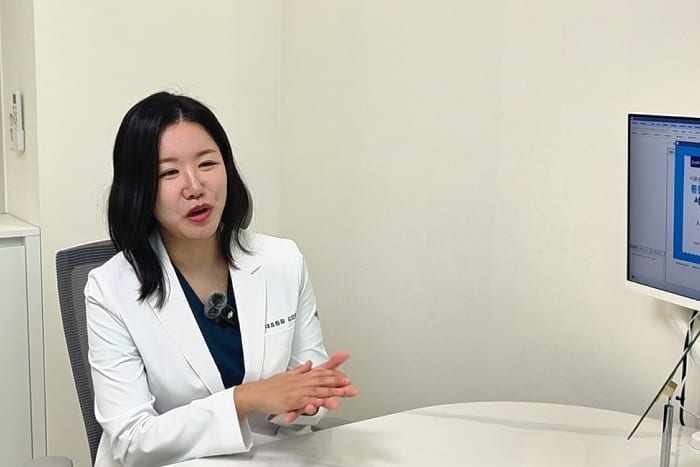
I was fascinated by hands-on procedures, the gradual changes that followed, and the whole process of working toward an outcome.
I enjoyed studying the subject too, and I do not regret choosing this path.
That is why, in acne care, I value the gradual process of stabilization as much as the visible change.
Acne and excess sebum are not problems that can necessarily be resolved in a short time.
I therefore place more emphasis on predictable outcomes and steady recovery than on rapid change at any cost.
A commitment to doing more than the basics
We aim for treatment shaped by a physician's judgment and experience, rather than an assembly-line process.
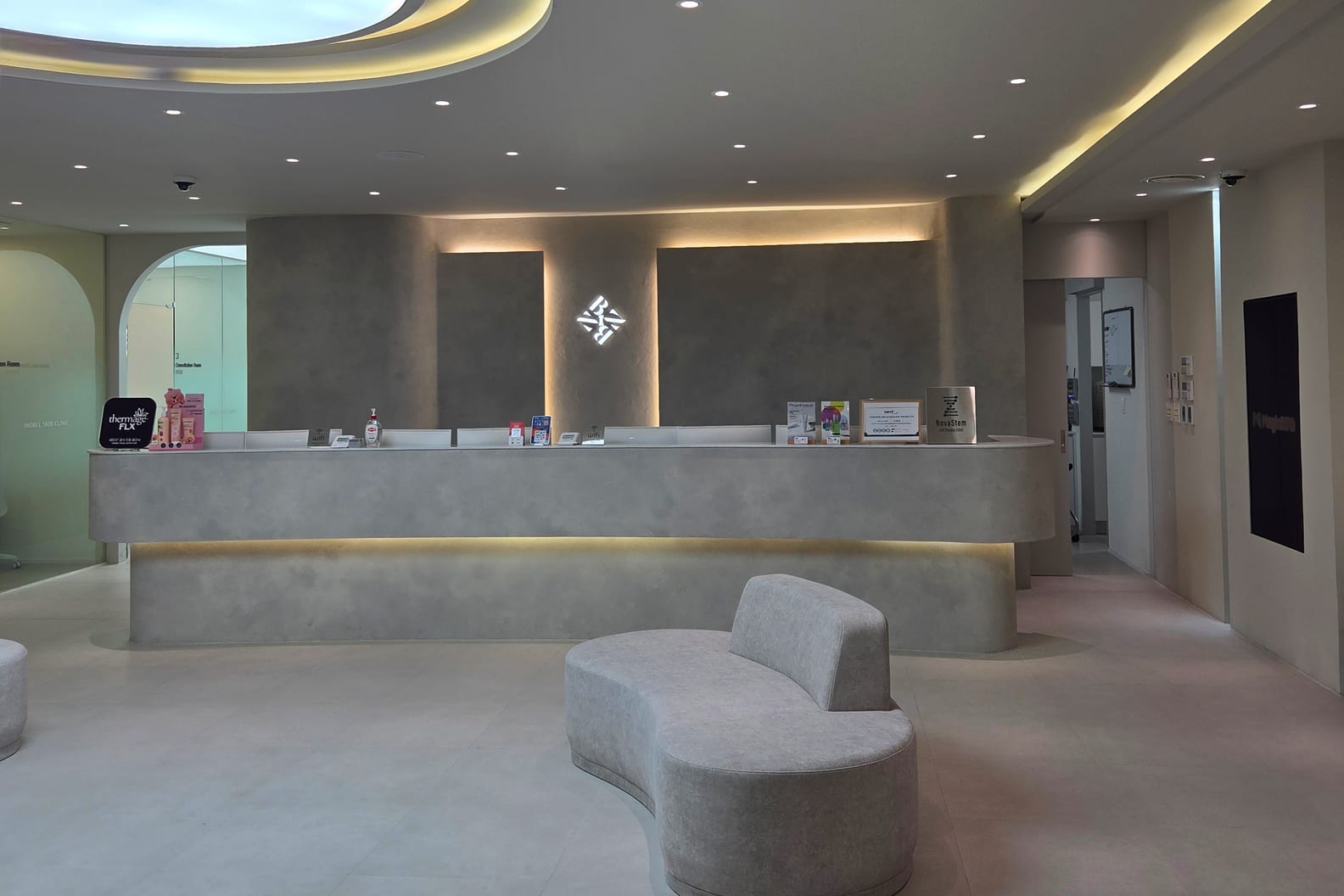
Simply putting up with acne does not make it disappear, and squeezing harder does not solve the problem.
It is important to understand the current condition accurately and take a gradual approach that helps the skin regain stability.
If you have been struggling with acne and excess sebum on your own,
I hope you will feel comfortable starting with a consultation.
With an understanding of concerns I have shared myself, I will work to find an approach that supports your skin's recovery.
<INOBEL CLINIC notice> | ||
To give each patient careful attention, we see patients by appointment only. This means an appointment may not be available right away, and we appreciate your understanding. We would like to help as many people as we can, but for the quality of consultation and treatment we made this decision with care. Thank you for understanding. |
Mon–Fri 10:00 - 20:00 Lunch break 14:00 - 15:00 Saturday 10:00 - 16:00 Sunday 10:00 - 16:00 | ||
02-6958-5882 |